
A new industry report claims that Microsoft’s canceled first-party Xbox handheld project never made it past the prototype phase due to a major supply-chain standoff with AMD, the company’s long-time chip manufacturing partner. According to the leak, AMD refused to move forward with the custom SoC (system-on-chip) design unless Microsoft guaranteed a minimum production volume of 10 million units — a threshold Xbox executives reportedly found unrealistic given the uncertain demand for handheld gaming PCs.
The rumor first surfaced through respected hardware insider Kepler_L2, who shared additional background on the decision in a NeoGAF discussion. Their post suggests the disagreement over production volume ultimately forced Microsoft to shelve its internal handheld concept, despite earlier enthusiasm within the Xbox division.
At the time, Microsoft was said to be developing a fully in-house device designed to compete directly with the Steam Deck and PlayStation Portal, with a focus on seamless integration across Xbox Cloud Gaming, Game Pass, and Windows-based titles. However, AMD’s request for a 10-million-unit commitment before beginning chip production reportedly derailed the plan.
From a business perspective, AMD’s position makes sense. Designing a custom SoC is an expensive process that requires both tooling and silicon optimization, meaning the company would need to ensure that production volume was high enough to recoup development costs. Yet for Microsoft, committing to such a massive order carried serious risk. The handheld gaming market, while growing, remains volatile — even Valve’s Steam Deck has sold only around 3.7 to 4 million units since its 2022 launch. Meeting AMD’s target would have meant outselling the Steam Deck more than twice over in the same time frame, something few industry analysts considered likely.
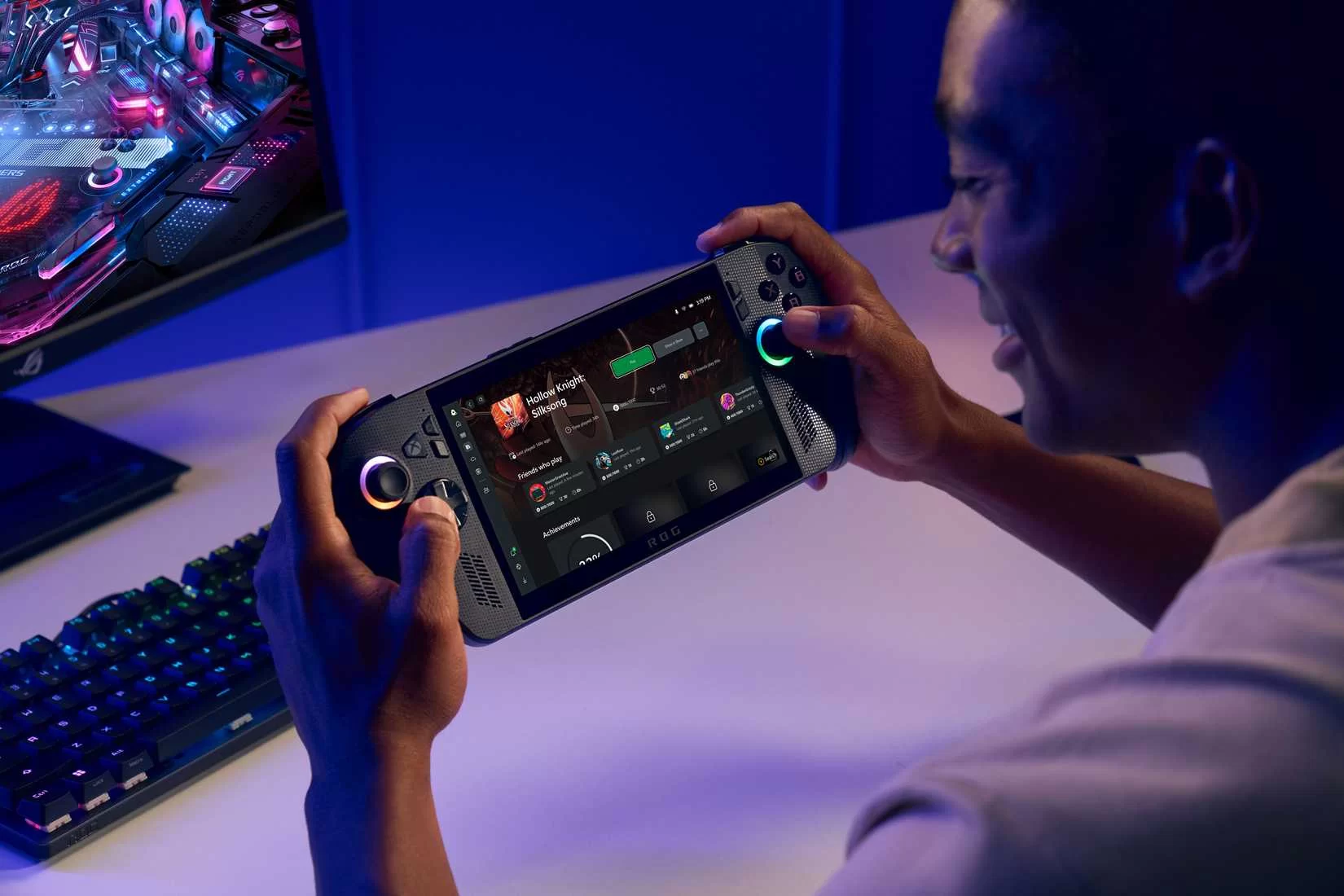
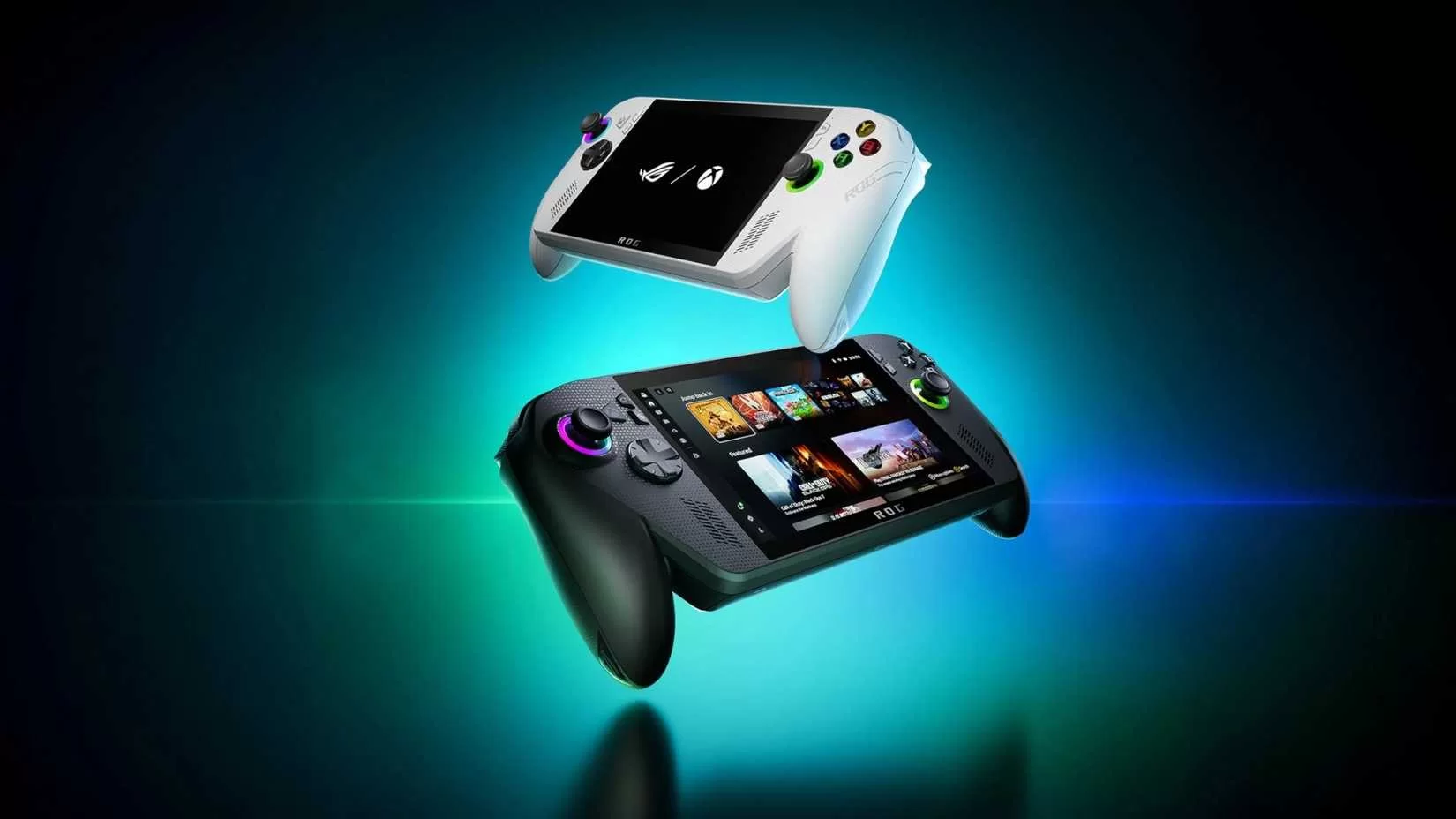
Meanwhile, the company’s collaborative project with ASUS — the ROG Xbox Ally X — has performed far better than expected. After a shaky start marked by pre-order delays and controversy over its $1,000 price point, the portable console sold out in several regions within 24 hours. The strong reception may have convinced Microsoft to double down on partnership-based hardware initiatives rather than restarting a costly solo venture.
Still, the leak emphasizes that Microsoft hasn’t abandoned its hardware ambitions entirely. Despite speculation that the company was shifting exclusively toward a software-as-a-service model, internal sources maintain that next-generation Xbox consoles are still in active development. The decision to cancel the handheld appears to have been a strategic one — a matter of timing, cost, and logistics rather than a full retreat from the console market.
It’s worth noting that AMD remains a key supplier for both Xbox and PlayStation hardware, providing SoCs for the Xbox Series X|S and PlayStation 5. Given that relationship, the two companies could revisit handheld discussions in the future if market conditions become more favorable or if Microsoft identifies a more efficient way to scale production.
For now, the cancellation adds another “what-if” to Xbox’s long list of experimental projects — from streaming sticks to cloud consoles — that never reached store shelves. Yet with portable gaming gaining renewed mainstream traction, it wouldn’t be surprising if the idea of an Xbox-branded handheld eventually resurfaced.