
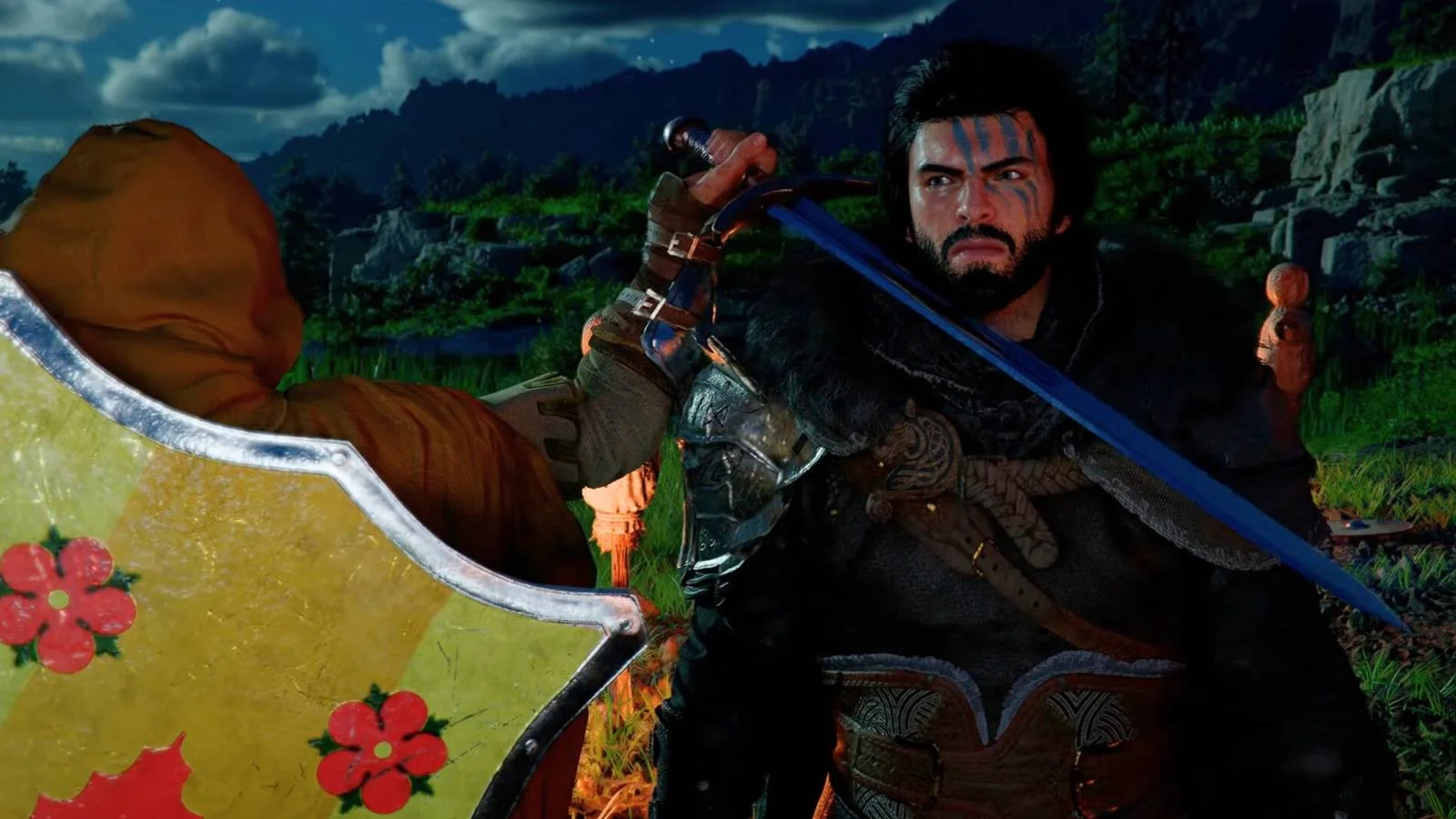
Crimson Desert’s Last-Minute DRM Decision Tests Player Patience and Performance Expectations
Less than a week before its highly anticipated launch, Pearl Abyss has stirred controversy among PC gamers by integrating Denuvo DRM into Crimson Desert. This action has not only reignited the ongoing debate around digital rights management in AAA titles but also placed a spotlight on the tension between anti-piracy measures and performance expectations for demanding open-world RPGs. As the March 19 release approaches across PlayStation 5, Xbox Series X/S, and PC, the timing of this decision has left many players questioning whether DRM implementation could undermine the gaming experience.
From Black Desert Online Prequel to Standalone Epic
Crimson Desert began life as a prequel to Pearl Abyss’ 2015 MMO, Black Desert Online, but evolved into a full-fledged standalone action-adventure RPG. Its sprawling narrative and RPG mechanics distinguish it from its MMORPG origins, offering players a deeply story-driven experience. The scale of the game is ambitious: Pearl Abyss claims the open world is larger than Red Dead Redemption 2 and twice the size of Skyrim, signaling that Crimson Desert intends to compete with the genre’s heavyweights in both scope and technical ambition.
The game has already achieved substantial hype. Surpassing two million wishlists on Steam, it demonstrates significant pre-launch enthusiasm. However, excitement is now tempered by the addition of Denuvo DRM—a decision that could influence the early reception of the PC version, where technical performance is under more scrutiny than on consoles.
The Denuvo DRM Dilemma
Denuvo DRM is one of the most controversial pieces of software in the modern gaming industry. While its primary purpose is to prevent piracy and tampering, it has long been criticized for potential negative impacts on game performance, particularly on CPU-intensive titles. Past implementations of Denuvo have been linked—accurately or not—to frame rate drops, increased load times, and higher system resource usage. More concerning for some players is Denuvo’s occasional reliance on online verification, which can prevent single-player games from launching during server outages.
Pearl Abyss maintains that performance benchmarks for Crimson Desert were conducted with Denuvo enabled, suggesting that the DRM should not degrade gameplay on properly equipped PCs. Nonetheless, for gamers with older hardware or high expectations for smooth open-world performance, the last-minute DRM addition introduces uncertainty. Historically, last-minute DRM announcements can fuel skepticism, as players perceive such decisions as reactive or opaque, potentially damaging trust before a title even launches.
Console Performance: Multiple Modes for PS5
While PC gamers debate DRM implications, Pearl Abyss has also been under scrutiny for console performance, particularly on PlayStation 5. Leading up to launch, some fans expressed concerns about whether the PS5 could handle the game’s vast world and graphical fidelity. Pearl Abyss addressed these worries by revealing three performance modes for PS5:
-
Performance Mode: 1080p at 60 FPS
-
Balanced Mode: Upscaled 4K at 40 FPS
-
Quality Mode: Upscaled 4K from 1440p with raytracing at 30 FPS
For PS5 Pro owners, Quality mode will provide native 4K resolution with ultra raytracing. This transparent disclosure of console performance options contrasts sharply with the DRM decision, highlighting Pearl Abyss’ selective approach to pre-launch communication: proactive on consoles, reactive on PC.
Community Reaction and Player Trust
The timing of the DRM addition—less than a week before launch—has triggered backlash from segments of the PC gaming community. Forums and social media are rife with skepticism, ranging from performance concerns to general mistrust of late-stage changes that can affect user experience. One player commented, “This was the nail in the coffin for PC players,” reflecting a sentiment echoed by others who worry that their early excitement could be compromised.
Such controversies can have measurable effects. In modern AAA releases, pre-launch perception significantly impacts review scores, early player adoption, and post-launch sales. With Crimson Desert positioning itself as a contender for Game of the Year, Pearl Abyss is gambling on Denuvo integration not detracting from the broader excitement generated by its expansive open-world RPG, narrative depth, and ambitious RPG systems.
Industry Strategy and DRM Implementation
Pearl Abyss’ decision to include Denuvo at this late stage reflects broader industry tensions between protecting intellectual property and maintaining user experience. Denuvo’s inclusion often stems from a desire to safeguard revenue, especially during the critical early weeks of a launch when piracy could affect digital sales. For high-profile AAA games, pre-release leaks or cracked versions can significantly impact sales momentum.
However, the strategy carries risk. Historical cases such as Resident Evil Village and Shadow of the Tomb Raider illustrate that while Denuvo can deter piracy initially, persistent player complaints about performance can create long-term reputational damage. Some studios, like Horizon Zero Dawn and DOOM Eternal, have opted to remove Denuvo post-launch once the critical sales window has passed, indicating that developers increasingly view DRM as a temporary protective measure rather than a permanent fixture.
Potential Risks and Post-Launch Implications
The inclusion of Denuvo DRM could affect Crimson Desert in several ways:
-
Performance Concerns: Despite assurances, benchmark results cannot always account for the diversity of player hardware. Lower-end PCs may experience noticeable differences in frame rates or load times.
-
Community Sentiment: Backlash against DRM can amplify negative early impressions, which can influence reviews and user scores on Steam, Metacritic, and other platforms.
-
Technical Support Load: Pearl Abyss may face increased support requests post-launch, particularly if DRM causes unexpected conflicts or server verification errors.
-
Competitive Positioning: With competing open-world RPGs releasing in 2026, any perceived performance issues could shift players to alternative titles, impacting sales momentum.
Yet, there is also upside. Denuvo may protect Crimson Desert from early piracy, ensuring revenue retention during the critical launch window. Combined with the game’s scale, narrative, and cross-platform availability, DRM could be a calculated risk rather than an outright misstep.
Conclusion: Ambition Meets Caution
Crimson Desert represents Pearl Abyss’ boldest venture yet—a massive open-world RPG seeking to rival genre heavyweights in scale and storytelling. Its upcoming launch on March 19 is highly anticipated, but the late-stage addition of Denuvo DRM introduces a layer of tension between ambition and caution. While the game promises to deliver a rich and expansive experience across PC and consoles, the success of its launch may hinge as much on community perception and technical execution as on its design and narrative prowess.
For the industry at large, Pearl Abyss’ decision underscores the delicate balance AAA studios must strike between protecting their IP and preserving player trust. In the current landscape, where word-of-mouth and early reviews can make or break a game, every strategic choice—especially a last-minute DRM addition—carries weighty consequences.
The coming weeks will reveal whether Crimson Desert can navigate these challenges and emerge as one of 2026’s standout titles, or if the DRM controversy will cast a shadow over an otherwise highly anticipated release.