Highguard’s Tumultuous Launch: A Study in Live-Service Survival
Launched less than a week ago, Highguard, a hero-based multiplayer shooter from Wildlight Entertainment, was greeted with significant anticipation—only to be hit with a sharp decline in player engagement within days. The game, which debuted with nearly 100,000 concurrent players on Steam, now struggles to maintain even 10,000 active players at any given moment. This dramatic drop in numbers has forced the developers into swift action, introducing an experimental 5v5 game mode in an attempt to salvage the title. But can a shift in gameplay mechanics reverse the tide of player dissatisfaction, or has Highguard already passed the point of no return?
Background: The Rise and Fall of Highguard
At its launch, Highguard seemed to check all the boxes for success in the modern live-service game market. Featuring a roster of heroes, each with unique abilities, and dynamic, fast-paced gameplay, it was positioned as a competitor to other hero-based shooters in the crowded field. From the moment it debuted, the game attracted an impressive player base, with its peak concurrent players hovering just under 100,000 on Steam. However, the initial excitement quickly faded, and by day six, Highguard was left grappling with a significant player exodus.
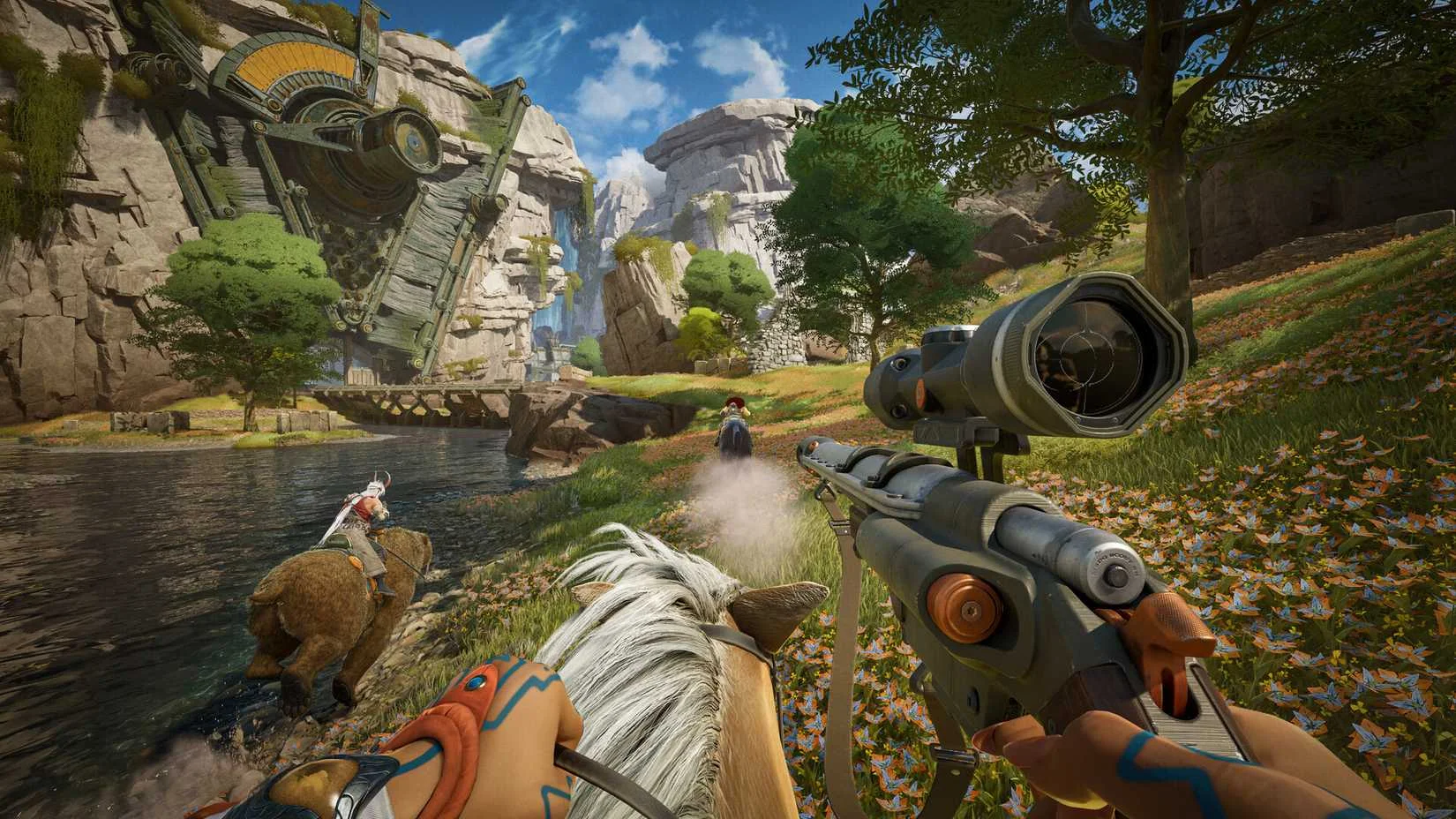
The game's design, which initially centered on 3v3 competitive matches, quickly drew criticism for its lack of scale. Many players noted that the maps, while visually appealing, felt too vast for the small 3v3 teams. Larger groups of players felt like they had little to do in the sprawling environments, leading to a perception of imbalance. The 3v3 setup, while intimate, proved too restrictive, and for many, it lacked the intensity and strategic depth that could make the game feel truly engaging.
At the same time, Highguard faced competition from other major live-service games already established in the genre, such as Overwatch and Apex Legends. These games, which feature large player counts and complex team dynamics, dominate the space. In such a competitive market, Highguard’s inability to retain its early players and deliver on its promises after launch raised serious questions about the sustainability of the title.
The 5v5 Mode: A Critical Turning Point
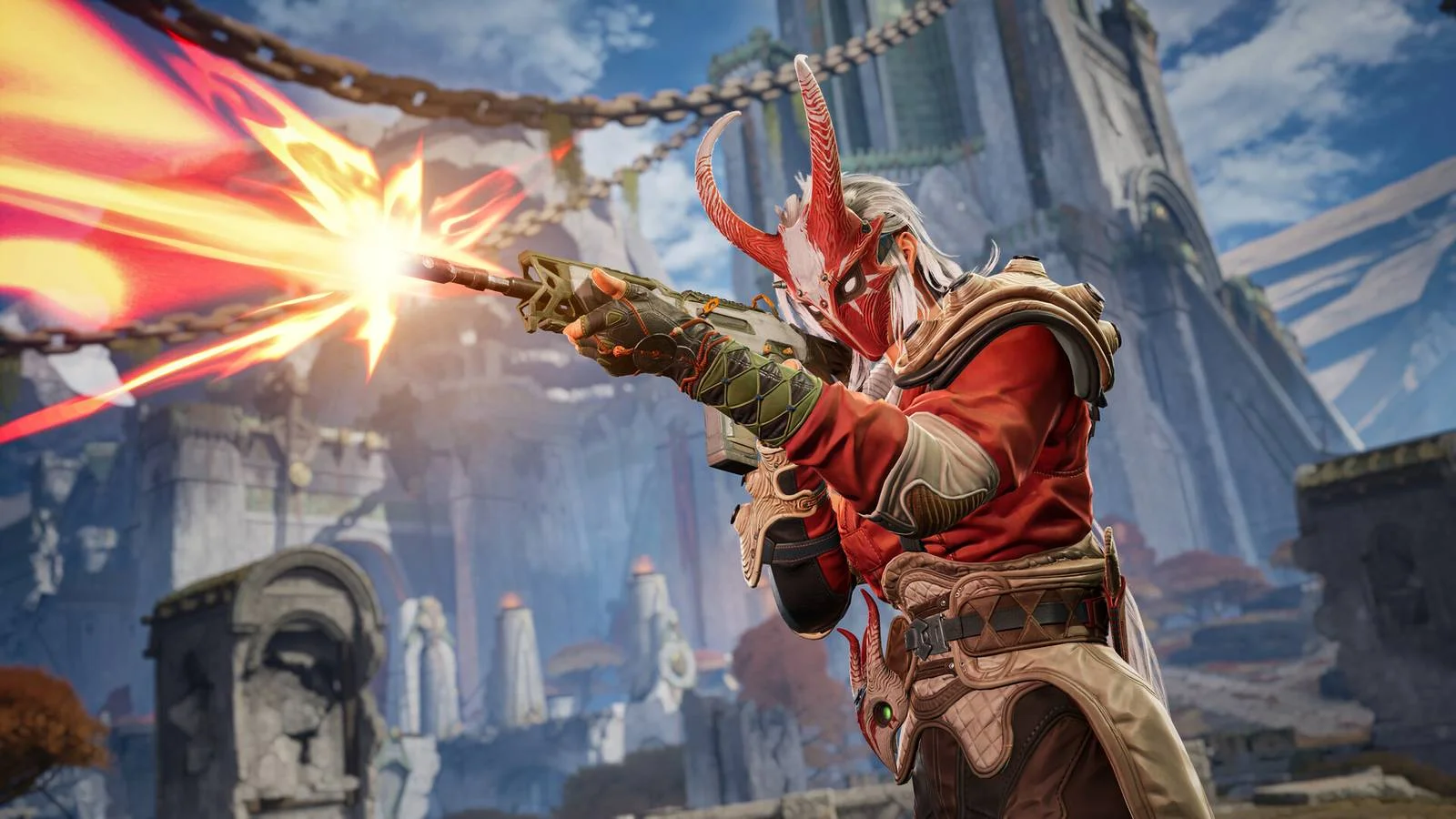
In an effort to recover from the rapid decline in player activity, Wildlight Entertainment responded swiftly with an experimental 5v5 playlist. While the 3v3 mode was touted as the core experience at launch, it became clear that the game’s maps were ill-suited for such small teams. The introduction of the 5v5 mode signals a recognition of the community’s desire for larger, more dynamic gameplay. In theory, the larger player count could introduce more strategy, coordination, and excitement, aligning the game more with the expectations set by other multiplayer shooters in the genre.
The shift from 3v3 to 5v5 is more than a simple expansion of team size; it also necessitates alterations to gameplay mechanics. For example, the raid mode now includes 10 lives, up from 6, and respawn times have been adjusted to allow for more strategic objectives, such as planting and defusing generators. These changes aim to keep the gameplay fast-paced while adding depth through strategic objectives. However, this is just an experimental phase, as indicated by the developer’s message that the 5v5 mode will only be available for a limited time. The mode’s success or failure could determine the trajectory of Highguard going forward.
Technical Considerations
From a systems perspective, the change to a 5v5 mode is a significant overhaul for Highguard. The maps and core mechanics were initially designed with smaller groups in mind, and scaling them up to accommodate 10 players per match presents a series of challenges. The added player count means that balancing the game’s core dynamics—character abilities, map design, and combat pacing—becomes more complex. Larger player counts also introduce new variables in terms of team coordination, communication, and strategy.
Moreover, the adjustment to respawn times and the increase in the number of lives allowed in raids are also notable design changes. While these alterations will likely increase the game’s strategic depth, they could also disrupt the game’s pacing. With fewer lives and quicker respawns in the 3v3 mode, matches had a faster tempo. The addition of longer respawn times and more lives in the 5v5 mode could change the rhythm of gameplay entirely.
If Highguard fails to find the right balance between action and strategy in the new 5v5 mode, it risks losing the engagement it’s fighting so hard to maintain. The shift in mechanics will need careful tuning to ensure it feels like a meaningful improvement rather than a rushed response to player demands.
Community Impact: The Need for a Quick Fix
The introduction of the 5v5 mode is an attempt to cater to the vocal portion of the community that felt the 3v3 mode was too restrictive. But it’s also a response to the broader issue of player retention. Live-service games, especially those that feature heavy competition, need to retain players through ongoing engagement. First impressions are crucial, and a failure to build and maintain a vibrant community can quickly derail a game’s long-term success.
For Highguard, the rapid decline in players is a clear sign that the early feedback from players was overwhelmingly negative. In response, Wildlight Entertainment's decision to rapidly release a new game mode shows that they are listening to the community. However, the fact that this mode is being treated as "experimental" and only available for a limited time might leave players skeptical.
Many players who abandoned Highguard after its rough launch may not return, especially if they feel the core issues of the game haven't been fully addressed. The lack of clarity around whether the 5v5 mode will be a permanent fixture or remain experimental could further erode trust in the developer's commitment to long-term support.
Future Outlook: Highguard’s Road to Redemption
Looking ahead, Highguard has some big plans. Wildlight Entertainment has already unveiled an ambitious roadmap for 2026, detailing numerous free content updates. The roadmap promises new episodes and exciting features aimed at keeping the game fresh. For players, this roadmap offers hope that Highguard can live up to its potential.
However, this roadmap won’t matter if Highguard cannot stabilize its player base in the short term. The battle for survival in the live-service world is always uphill. Highguard needs to find a way to retain the players who came in at launch, re-engage the community that has already walked away, and keep new players coming through the door. A well-executed 5v5 mode could be a turning point, but it’s only one part of the puzzle.
Ultimately, Wildlight Entertainment is faced with a critical decision. Will Highguard evolve into a beloved franchise or fade into obscurity, another casualty in the competitive world of hero shooters? The next few weeks and months will reveal whether the developer’s quick response to player feedback is enough to ensure the game’s long-term viability. For now, Highguard’s fate hangs in the balance.