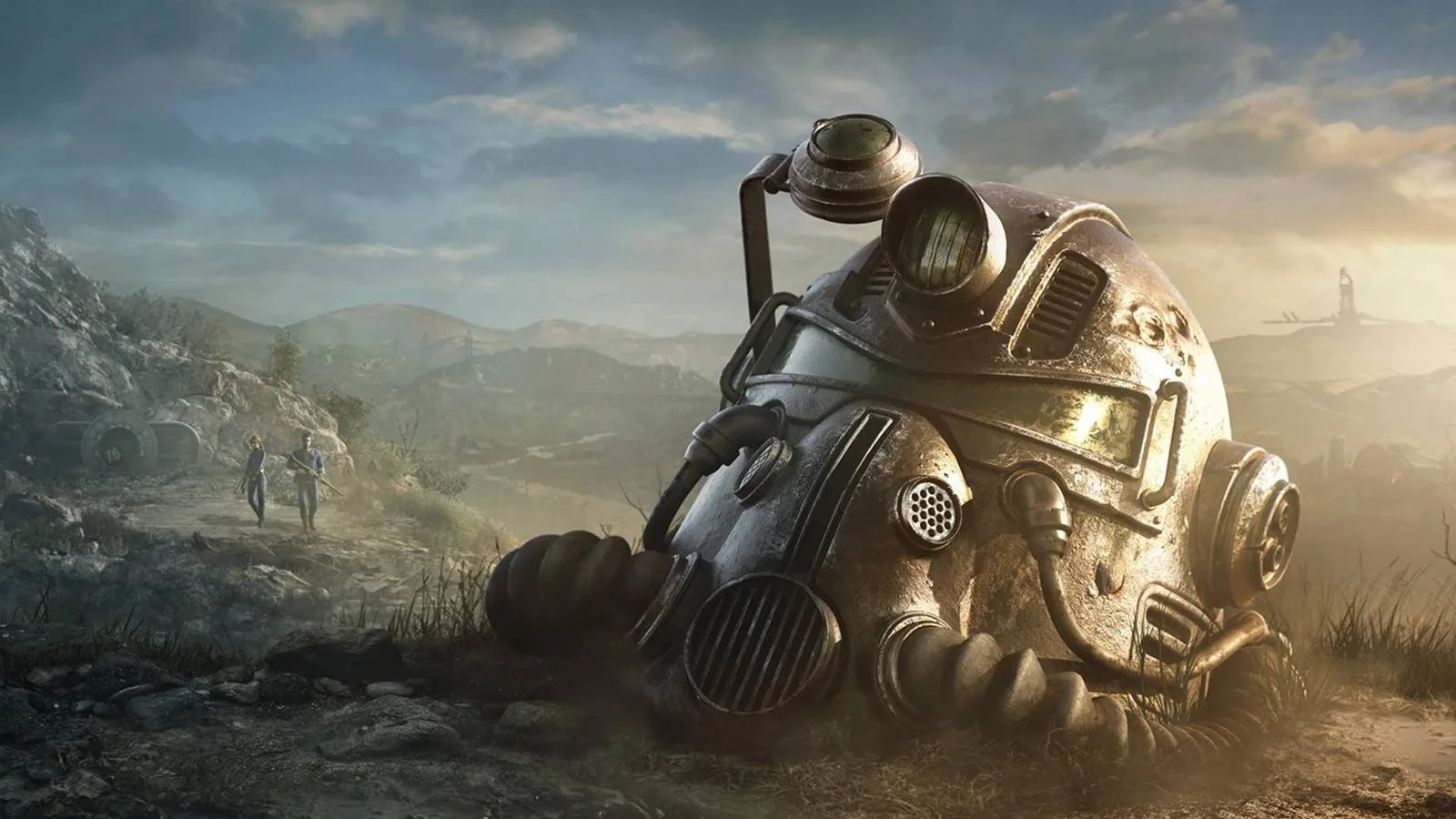
Fallout 76 Patch 1.7.23.11 Reveals a Different Kind of Live Service Philosophy
At first glance, Fallout 76’s January update looks unremarkable. No cinematic trailer. No headline-grabbing content drop. No bold roadmap reveal. Just a dense patch quietly pushed across all platforms.
And yet, that restraint may be the most revealing part.
Seven years after one of the most turbulent launches in modern AAA history, Fallout 76 is no longer chasing redemption through spectacle. Instead, Bethesda appears committed to something far less glamorous but far more difficult: long-term systemic stability in a live service RPG that was never designed to last this long.
Patch 1.7.23.11 is not exciting in the traditional sense. It is something more telling. It is maintenance as strategy.
Context From Crisis to Continuity
When Fallout 76 launched in 2018, it wasn’t merely criticized; it became a case study in how not to ship a live multiplayer RPG. The absence of human NPCs, persistent technical issues, and design contradictions between Fallout’s single-player DNA and online requirements created an identity crisis the game spent years unraveling.
What followed was not a quick fix, but a slow, expensive reconstruction. NPCs returned. Questlines deepened. Systems were reworked rather than replaced. Appalachia expanded not outward, but inward, filling gaps rather than reinventing itself.
By 2026, Fallout 76 exists in a different category entirely. It is no longer an experiment or an apology. It is a sustained service game with its own rhythms, economies, and veteran player culture.
Patch 1.7.23.11 fits squarely into that evolution.
Why This Patch Matters Without Adding Content
Most live service games rely on visible novelty to justify updates. New maps, new modes, new cosmetics. Fallout 76’s latest patch does none of that, and that’s precisely why it deserves attention.
This update targets friction points rather than features:
-
base building clarity
-
UI accuracy
-
localization completeness
-
quest logic consistency
-
equipment behavior edge cases
In other words, it addresses the invisible infrastructure that determines whether players feel comfortable logging in week after week.
For a game with complex interlocking systems like C.A.M.P. construction, legendary modifiers, and branching quest states, these changes accumulate into something meaningful: predictability.
Predictability is not boring in live service design. It is trust.
System Level Design The Hidden Work Behind Stability
From a technical perspective, Fallout 76 remains one of Bethesda’s most demanding projects. Unlike its single-player predecessors, every change must coexist with persistent worlds, player-built environments, and networked state synchronization.
This patch focuses heavily on correcting mismatches between intent and execution:
-
item descriptions now accurately reflect functionality
-
legendary effects display correctly across languages
-
map markers behave consistently in newer regions
-
C.A.M.P. objects align visually, audibly, and mechanically
These are not cosmetic details. In a multiplayer RPG, incorrect feedback creates cascading problems: players make bad decisions, report phantom bugs, or disengage entirely.
The size of the update itself underscores this complexity. Large downloads paired with relatively modest visible changes suggest deep backend adjustments rather than surface tweaks.
That is a sign of technical debt being addressed, not ignored.
A Subtle Shift in Roleplay Enforcement
One of the more controversial changes restores restrictions for player Ghouls entering faction hubs without disguises.
This decision reveals an important design tension Fallout 76 continues to navigate: freedom versus coherence.
Earlier Fallout titles allowed radical roleplay choices because the world reacted through scripted consequences. In a shared online space, those consequences must be standardized or they fracture player experience.
Reintroducing disguise requirements reinforces faction identity and narrative logic, even if it frustrates some players. It suggests Bethesda is willing to prioritize world consistency over unrestricted player convenience, a notable stance for a live service game often pressured to simplify.
Community Response Satisfaction With Reservations
Player reaction reflects the maturity of Fallout 76’s remaining audience.
Longtime players largely recognize the value of quality-of-life patches, even when they don’t immediately benefit from them. Many focus on what still remains unresolved, from environmental clipping issues to balance concerns.
That criticism, however, comes from engagement rather than hostility.
In 2019, similar patch notes would have been met with disbelief or sarcasm. In 2026, they are met with scrutiny, expectation, and detailed feedback. That alone signals how far the relationship between developer and community has shifted.
This audience is no longer waiting for Fallout 76 to fail. They are invested in how it improves.
Industry Comparison Fallout 76 as an Outlier
Most live service games don’t make it to year seven with an active development cadence unless they launched strong or pivoted aggressively into monetization-first models.
Fallout 76 did neither.
Instead, Bethesda chose an unusually conservative path:
-
minimal pay-to-win pressure
-
gradual content layering
-
frequent systemic corrections
Compared to games that chase engagement spikes, Fallout 76 has prioritized durability. That approach rarely dominates headlines, but it sustains smaller, more stable communities over time.
In an industry increasingly defined by abrupt shutdowns and abandoned roadmaps, Fallout 76’s persistence is quietly notable.
What This Patch Suggests About Bethesda’s Strategy
Patch 1.7.23.11 aligns with a broader shift at Bethesda Game Studios: fewer radical overhauls, more incremental refinement.
With native versions for current-generation consoles on the horizon and hints of future content teased but not rushed, Fallout 76 appears positioned as a long-term platform rather than a transitional experiment.
This matters because Bethesda’s broader portfolio now spans multiple massive projects. Maintaining Fallout 76 as a stable, low-volatility service allows the studio to:
-
retain institutional knowledge
-
support live operations expertise
-
preserve goodwill within the Fallout community
It is not the studio’s flagship anymore, but it is no longer expendable.
Future Risks The Cost of Consistency
There is, however, a risk in leaning too heavily on maintenance-driven updates.
Without periodic moments of creative ambition, even the most stable live service game risks stagnation. Bug fixes keep players comfortable. They do not attract new ones.
The challenge for Bethesda will be finding moments to reintroduce surprise without destabilizing the systems it has spent years repairing.
If future updates remain exclusively conservative, Fallout 76 may plateau as a well-maintained but culturally invisible game.
That balance will define its next chapter.
A Quiet Patch With Loud Implications
Fallout 76’s latest update will not trend on social media. It will not redefine the genre. It will not convert skeptics overnight.
What it does instead is reinforce a rare commitment: treating a troubled game not as a sunk cost, but as a living system worth maintaining with care.
In an industry often driven by short-term metrics, Patch 1.7.23.11 is a reminder that longevity is built through unglamorous work done consistently.
For Fallout 76, that may be the most important update of all.