
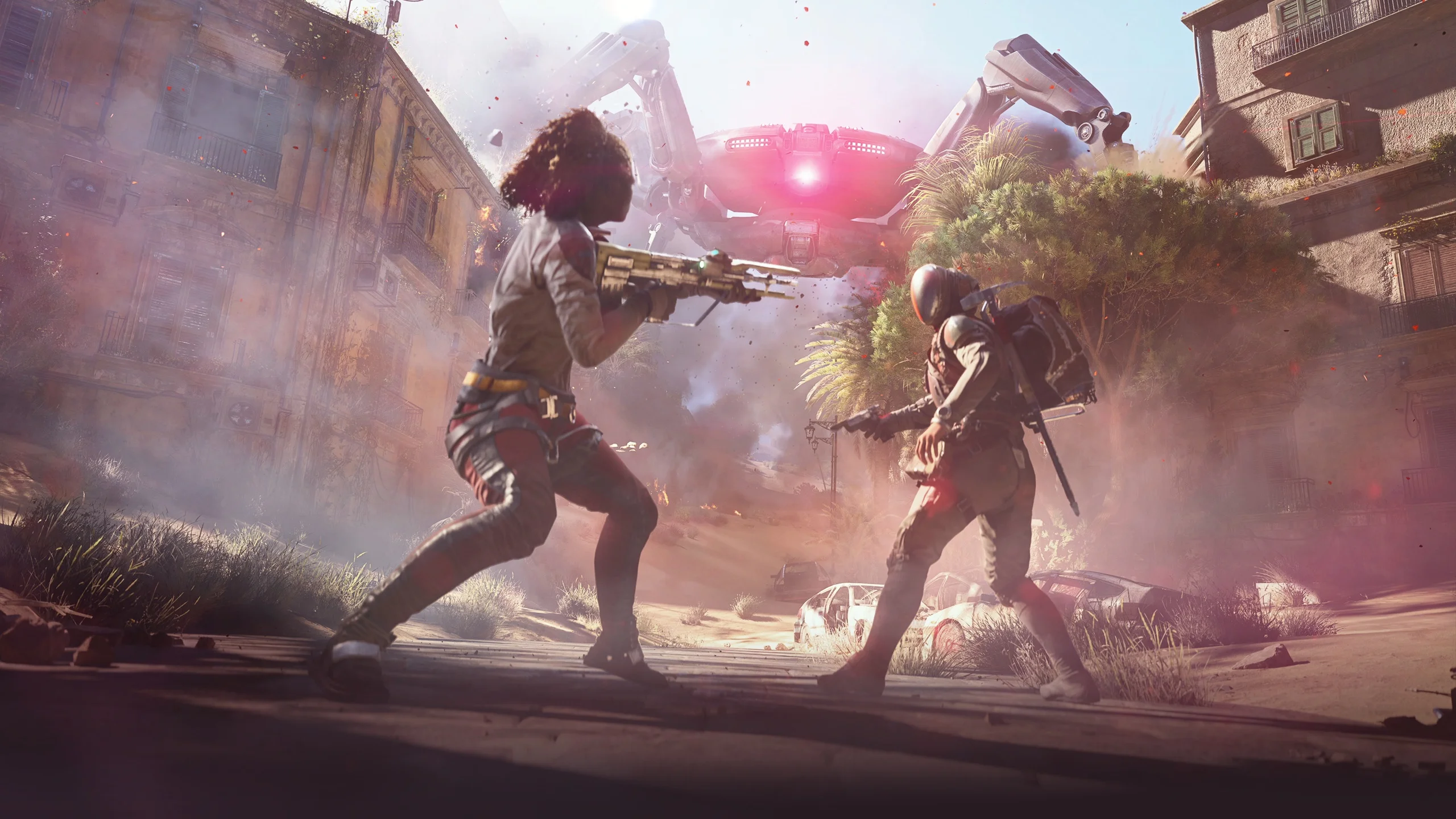
With the arrival of update 1.3.0, ARC Raiders has taken another decisive step in redefining its fast‑paced extraction shooter gameplay. Embark Studios continues its rapid update cycle, and while this patch may not introduce a new map or enemy type, it dramatically reshapes the game’s balance in ways players will immediately feel. The 1.3.0 release brings a series of calculated nerfs, economic adjustments, technical improvements, and even a surprisingly light‑hearted addition involving rubber ducks—something that only the ARC Raiders community could inspire.
Coming off the momentum of update 1.2.0 just a week earlier, players may have expected a slower patching pace, but Embark seems committed to refining the meta as quickly as new strategies emerge. Last week’s update brought Stella Montis, the most unforgiving close‑quarters map the game has seen yet. The narrow corridors, multi‑level interiors, and almost claustrophobic combat angles immediately changed the raiding dynamic. Stella Montis also introduced Shredder, a dangerous new ARC enemy that fires bursts of shrapnel in all directions. Only appearing on this map, the Shredder forced players to rethink both movement and defensive positioning, especially since their explosive blasts could hit multiple angles simultaneously.
Despite no new map this week, update 1.3.0 sends shockwaves through the existing weapon and item ecosystem. The Venator, widely regarded as one of the strongest weapons in ARC Raiders, finally receives the nerf many players predicted. Embark openly stated the weapon was outperforming its intended role, especially when fully upgraded. The Venator was capable of outgunning entire squads even at close range, a domain usually dominated by shotguns and fast‑firing SMGs. Rather than eliminate its strengths, the developers focused on reducing the fire‑rate bonuses gained through upgrades. This aims to gently push Venator users toward more deliberate shot placement instead of emptying magazines into opponents as quickly as possible. The fire‑rate increase from upgrades has been reduced significantly—from 22/44/60% to 13/26/40%—and the weapon’s weight has increased from 2 to 5, aligning it with other pistols.
But the Venator isn’t the only piece of gear taking a hit. One of the biggest gameplay equalizers in recent weeks has been the Deadline mine, a powerful explosive that can deliver 1000 damage instantly. Players quickly realized it was strong enough to eliminate tough ARC units such as Bastions and Bombardiers with minimal effort. As more teams discovered optimized farming routes, Embark saw the item’s impact on progression and decided to increase its cost and crafting difficulty. The buy value has nearly doubled, its crafting recipe requires more components, and the trader now stocks fewer units overall. While this may frustrate players who heavily relied on Deadline strategies, it ultimately pushes the game toward more diverse and engaging combat encounters.
Beyond these marquee changes, update 1.3.0 also modifies how explosive damage works across the game. Embark noticed that some explosives were damaging more parts of larger ARC enemies than intended, resulting in overly fast takedowns. Adjustments now make explosive interactions more consistent, reducing damage on larger ARC units while keeping smaller enemies mostly unaffected. This ensures weapons such as the Hullcracker still feel powerful but require more precision rather than brute‑force reliance on explosive radius.
The update also addresses Power Cells, Launcher Ammo, and other resource‑based systems. Launcher Ammo in particular has been rebalanced with a new buy price, a higher sell value, and a different crafting recipe that now uses ARC Motion Cores and Crude Explosives. Importantly, players can now craft launcher ammo directly at the Workbench without needing the associated blueprint, making explosive‑centric loadouts more accessible.
One of the more entertaining changes in this update involves community‑requested customization. Recently, a player with a collection of 600 rubber ducks complained that the Raider Den wouldn’t allow them to display the full collection. Embark apparently took notice. Although not explicitly confirmed, a screenshot released alongside the patch notes shows a Raider surrounded by an enormous flock of ducks inside their Den. This suggests the developers may have raised or removed the display limit entirely, turning what started as a small community joke into a delightful in‑game surprise.
Alongside balance adjustments, the update introduces substantial improvements to enemy AI, map geometry, navigation systems, collision detection, audio clarity, and more. Several long‑standing exploits—such as players clipping through walls, accessing locked rooms without keys, or hiding inside geometry—have been resolved. The Shredder enemy in particular receives updates improving detection of lure grenades, movement stability, handling, braking, and impact reactions.
Map fixes across The Dam Battlegrounds, Spaceport, Blue Gate, and Stella Montis close off unfair ambush spots, prevent players from falling through terrain, and correct visibility issues that previously allowed shots to penetrate walls. Additionally, various crash issues have been resolved, including those affecting PCs lacking AVX2 support and players reconnecting to sessions before surrendering.
Embark even updated the recommended AMD driver version to improve stability for GPU users who were experiencing frequent crashes. Smaller tweaks, such as improved ground detection for enemies on steep surfaces and adjustments to Aphelion tracer visibility, refine the overall experience.
With ARC Raiders maintaining an impressive daily average of around 400,000 concurrent Steam players, Embark’s rapid update cycle ensures the game remains dynamic and fair. The 1.3.0 update may not bring a new map, enemy, or mode, but the sweeping balance changes ensure the gameplay ecosystem continues evolving. From explosive damage tuning to weapon weight correction, and from crafting adjustments to AI improvements, this patch aims to strengthen long‑term game health while keeping the community engaged.