Final Fantasy XIV Is Quietly Building a New Kind of “Endgame”: Identity, Access, and Technical Debt
Final Fantasy XIV has always been a game of reinvention. It famously rebuilt itself once. Since then, its “rebirth” has mostly meant new zones, new raids, and new story arcs that keep veteran players logging in. What’s coming next sounds smaller on paper—more character customization, adjustments to Explorer Mode, and quality-of-life fixes like moving old relic weapons into vendor purchases—but taken together, it points to a deeper shift in priorities.
This isn’t just about giving players a few extra hairstyles.
It’s about smoothing out the friction points that have quietly accumulated across a decade of expansions: the limitations of the character creator, the museum-like status of older content systems, and even the platform question—who can realistically play FFXIV in 2026 and beyond. When the producer-director starts talking about “foundations” being laid, that’s developer language for something bigger than a cosmetic pass.
The timing matters, too. Patch 7.4 landed with meaningful content, but it also surfaced ongoing infrastructure problems for North America that lingered beyond a quick hotfix. That combination—high-profile content plus stubborn instability—is exactly when MMO teams start reassessing what “long-term health” actually means.
Context: Why Character Customization Becomes a Flashpoint in Mature MMOs
From “Pick a Race” to “Build a Persona”
In 2013, MMO character creators were functional. In 2026, they’re an identity layer, a social profile, and often a monetization vector. Players don’t just roll a character; they curate one.
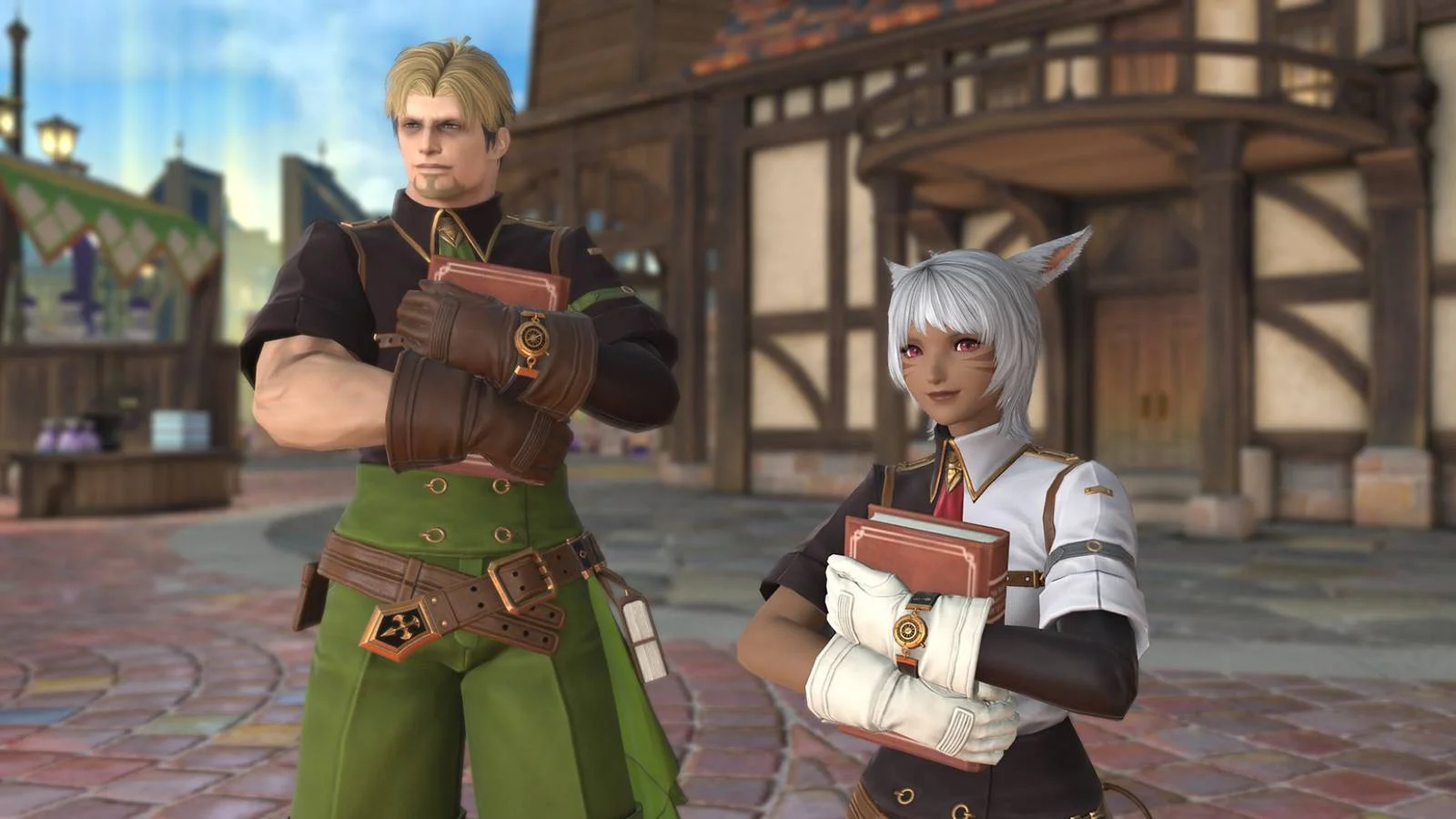
FFXIV sits in a specific spot historically. It’s not a brand-new MMO built with modern modular customization pipelines, but it’s also not a legacy title frozen in time. It has grown into a platform where people roleplay, stream, run venues, and build social communities that have nothing to do with combat performance. In that environment, character customization is not “nice to have.” It’s a core retention mechanic—especially for players who treat the game as a third place.
The “Second Rebirth” Framing
When leadership hints at a major reorientation—something like a “second rebirth”—it usually means the team is looking beyond the patch-to-patch treadmill and toward multi-year structural improvements. That’s where customization discussions become meaningful. You don’t talk about expanding the creator unless you believe the game is still recruiting new players, not just sustaining veterans.
What “The Foundation Is in Place” Likely Means at a System Level
When a dev team says the groundwork exists for “more options,” it usually implies one of two things:
-
A technical refactor already happened behind the scenes (or is underway), enabling new variables to be added without breaking older assets.
-
A pipeline change is being prepared so new customization doesn’t balloon QA costs across every piece of gear, cutscene, and lighting condition.
In FFXIV’s case, the most revealing clue is the mention of skin tone and color adjustments being actively looked at. Skin tone seems like a simple slider until you remember what an MMO actually is: thousands of armor pieces, a massive library of cutscenes, and content that spans radically different lighting setups. Any shift in how skin tones render touches shaders, materials, and sometimes even UI assumptions.
Why it’s hard in an MMO specifically
Unlike a single-player RPG, an MMO has to keep your character consistent across:
-
dozens of expansions’ worth of armor models and dyes
-
every pre-rendered or scripted cutscene pipeline
-
different platform performance constraints
-
wildly different environments, from pitch-dark dungeons to bright seaside zones
Even small changes can create “regressions”: faces looking washed out in older zones, or certain tones reacting poorly to specific lighting. That’s one reason MMOs often move slowly on creator expansions—they’re not being stingy, they’re trying not to break the game’s visual continuity.
The strategic takeaway
If the team is talking about this now, it suggests they’ve already done enough internal cleanup to believe additional options won’t spiral into a multi-year art emergency. That’s a quiet signal that the engine and asset workflows are being prepared for the next era of the game, not just the next patch.
Inventory Pressure and Explorer Mode: Small Requests That Reveal Big Pain Points
The other features mentioned—updating Explorer Mode and allowing past relic weapons to be purchased from a vendor—sound like “community wishlist” items, but they point to a shared problem: FFXIV’s age is showing in its friction.
Relic weapons and the cost of nostalgia
Relics are emotionally valuable. They’re also physical objects in a finite inventory space. For long-time players, the “collect everything” fantasy collides with limited storage, retainers, and the constant churn of new items. A vendor solution for past relics is more than convenience; it’s a philosophical shift:
-
acknowledging that ownership shouldn’t always mean storage
-
preserving the prestige of historical grinds without forcing players to carry proof forever
-
making the game friendlier to collectors—one of the most loyal player types in an MMO
This is the kind of change that doesn’t drive headlines but improves retention. It’s also the kind of change that makes a future platform expansion (new console players, new regions) less punishing for onboarding.
Explorer Mode expanding into Alliance Raids
Explorer Mode is a player-driven tool: screenshots, roleplay, community events, machinima. Expanding it into Alliance Raid instances sounds niche until you consider how much FFXIV’s social layer relies on controlled spaces. Alliance Raids are some of the most iconic “setpiece” locations in the game, but they’re normally locked behind matchmaking or combat progression.
Adding Explorer Mode support there would:
-
turn more of the game into a creative toolkit
-
support the screenshot and venue ecosystem
-
reduce friction for players who want to engage aesthetically without organizing 24 people
That matters for the community in a way that raid design changes often don’t.
Player and Community Impact: Who Benefits, Who Complains, and Why
The winners: roleplayers, creators, and new players
More customization options—especially around skin tone fidelity—hits the parts of the player base that treat their character as a long-term identity. Those players also tend to generate free marketing through screenshots, streams, and community events. Improving their tools is one of the most reliable ways to keep a game culturally visible between expansions.
New players benefit too, because character creation is the first emotional investment. If a new player can’t make a character they feel good about, the odds they bounce before level cap go up.
The skeptics: “Fix the servers first”
There’s an obvious tension here: Patch 7.4 arrived alongside ongoing server instability in North America, with disconnections persisting across multiple data centers even after a later bugfix patch. When players are getting randomly kicked mid-duty, any conversation about customization can feel tone-deaf, even if different teams handle different systems.
This is where MMO messaging gets tricky. Players don’t care whether your network engineers and your character artists are separate groups. They experience the game as one product. If stability problems linger, quality-of-life updates can get framed as distractions—even when they’re part of a longer-term plan.
Platform Strategy: Why the Switch 2 Conversation Isn’t Just Hype
The suggestion that a Switch 2 version is on the table—without full details yet—matters because it connects all the above threads.
A new platform launch for a live-service MMO is less about “can it run” and more about:
-
onboarding flows
-
UI and performance scaling
-
account linking and patch parity
-
long-term support costs
The mention that the Korean version is expected to reach parity with global and Chinese clients by Patch 7.5 is relevant here: platform expansion is much easier when your versions and pipelines are aligned. Parity reduces the complexity of maintaining separate content schedules and makes global marketing beats—like FanFest reveals—more coherent.
In other words: if the game is aiming to broaden access in 2026, smoothing out customization systems, inventory friction, and version parity is exactly the kind of unglamorous groundwork you’d expect to see first.
Future Outlook and Risks: What to Watch as 2026 Approaches
What likely happens next
-
Patch 7.5 becomes a “capstone” moment for multiple audiences: parity goals, major challenge content (including the next Ultimate), and the arrival of the Beastmaster limited job.
-
The next FanFest cycle becomes the staging ground for messaging around the next expansion and any platform news.
-
Character customization updates—if real—probably roll out incrementally, not as one massive overhaul, to reduce the risk of visual regressions.
The big risks
-
Community patience versus long-term refactors
If stability problems persist, the goodwill needed for slower, foundation-heavy updates gets thinner. -
Expectation inflation
“More customization” is a loaded promise. Players will immediately imagine body types, faces, hair physics, more granular sliders—the kind of creator depth that’s easy to ask for and hard to support in an MMO with massive legacy assets. -
Platform fragmentation
A new console audience is a growth opportunity, but it also increases support complexity. If the game adds platforms while struggling with connectivity or performance issues in key regions, perceptions can turn quickly.
The Real Story: FFXIV Is Investing in the Parts Players Live In
The headline is “more customization.” The real significance is that FFXIV is treating identity tools, social features, and long-term friction as first-class MMO problems—not afterthoughts.
That’s a sign of a mature live-service game preparing for its next decade. Not with a flashy new raid tier alone, but by strengthening the systems that determine whether players feel at home in Eorzea—and whether new players can join them without bouncing off the edges.
If 2026 truly is being positioned as a new phase for the game, this is what it looks like at the ground level: foundations, not features.