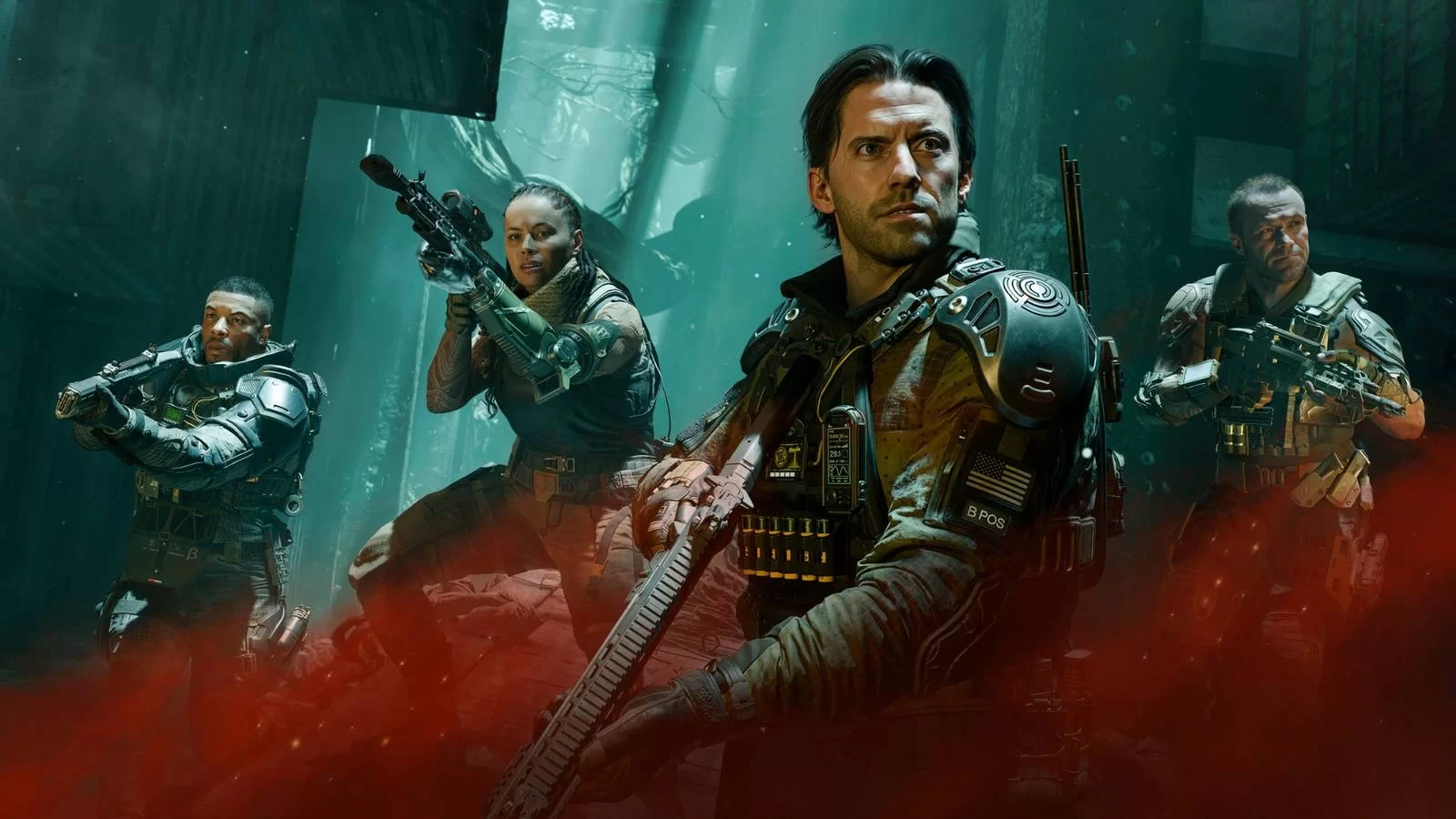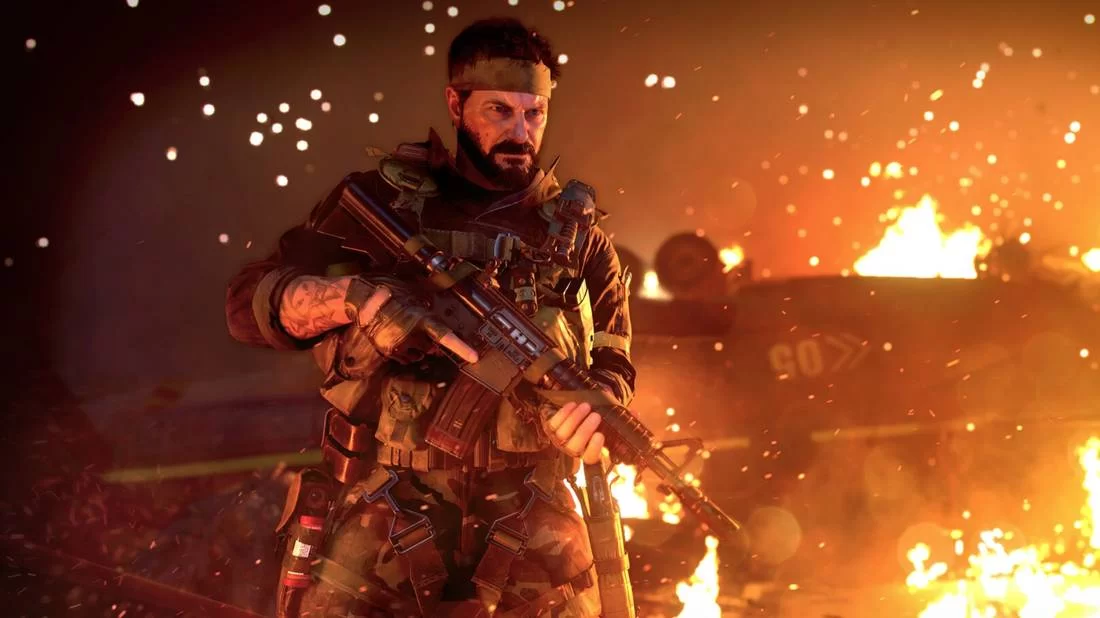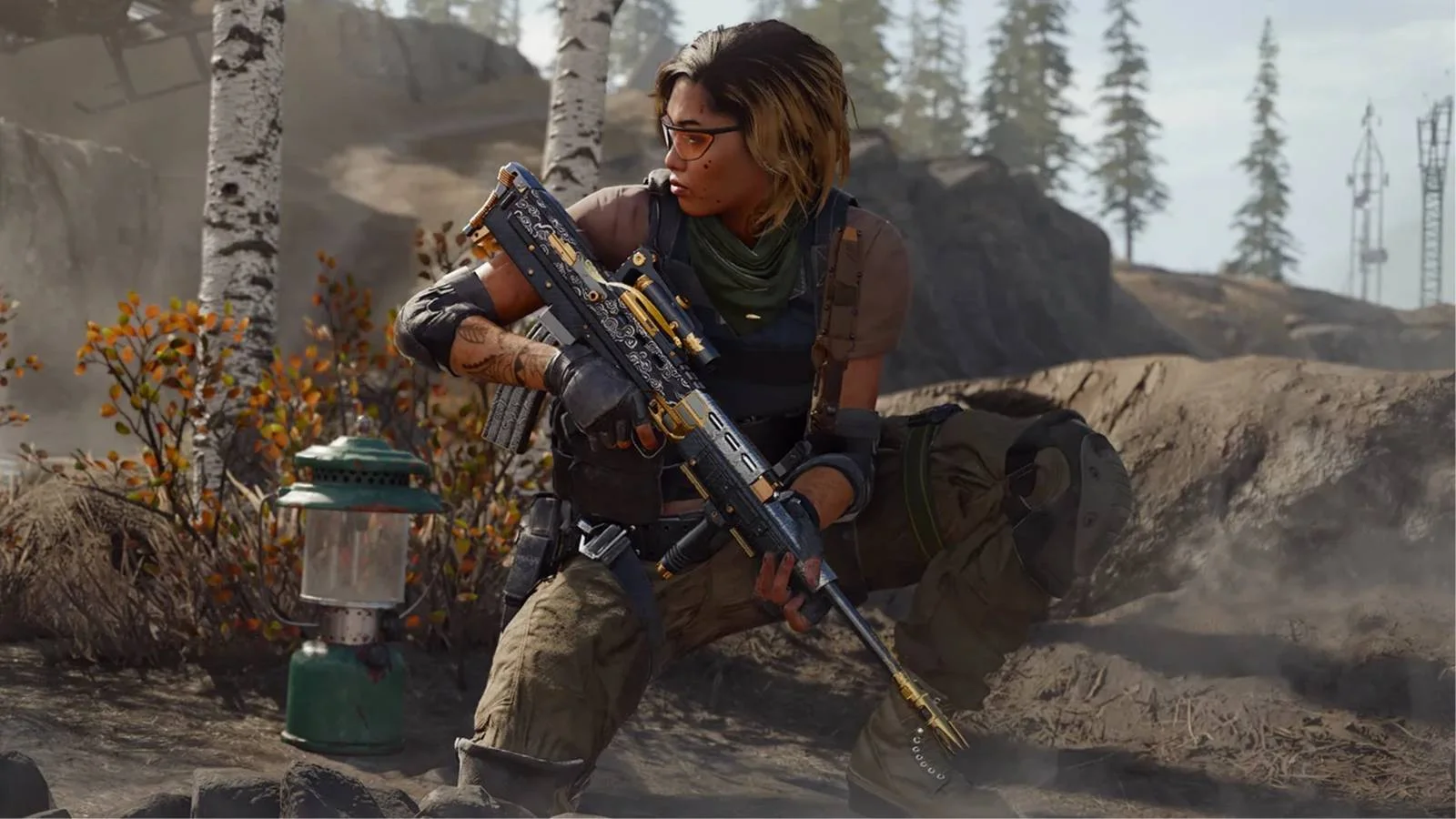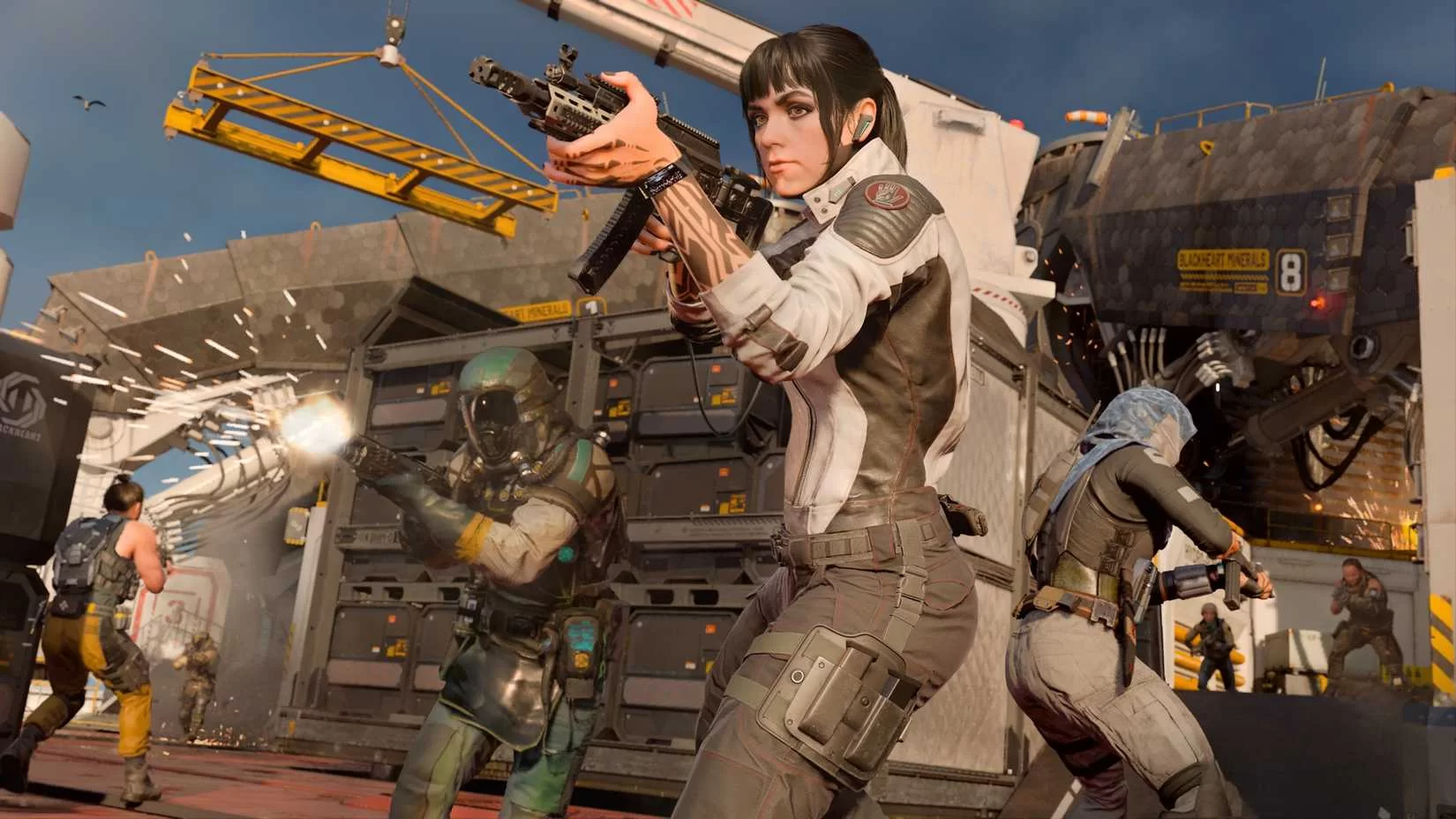

The decades-long rivalry between Call of Duty and Battlefield appears to be heating up once again, but some analysts believe the outcome may already be decided. According to Rhys Elliott, an industry analyst at Alinea Insight, the purchasing habits of gamers—what he calls "autopilot purchasing"—may ensure that Call of Duty: Black Ops 7 outsells EA’s Battlefield 6, regardless of hype or critical reception.
Battlefield 6’s Early Momentum
In recent weeks, Battlefield 6 has generated an impressive wave of excitement. Following its successful open beta, the game briefly surged ahead of Call of Duty: Black Ops 7 in terms of pre-orders and community sentiment. Many players praised EA’s approach to returning to a more grounded, large-scale experience, with its marketing painting Battlefield 6 as a bold revival of the franchise.
Meanwhile, Call of Duty: Black Ops 7 received a more mixed initial response. Some fans questioned the decision-making behind certain features and were cautious about whether Activision could deliver a meaningful evolution of the series. The fact that Black Ops 7 will be available on Xbox Game Pass at launch has also complicated comparisons, since some players are waiting to access it through the subscription rather than committing to a traditional pre-order.
The Power of Annual Habits
Despite this, Elliott argues that sentiment and short-term momentum don’t always translate to long-term sales dominance. “Call of Duty is an annual ritual,” he explained. “Tens of millions of players, many of them casual gamers, buy the newest CoD every year without hesitation. This ‘autopilot purchasing’ habit is decades deep, and breaking it requires more than one awesome Battlefield release.”
Elliott also emphasized that Warzone plays a critical role in reinforcing this advantage. Since Warzone remains one of the most-played free-to-play shooters worldwide, its integration with Black Ops 7 effectively serves as a built-in advertising machine. Every update, event, or in-game menu connected to Warzone will push players toward Activision’s new premium release. By contrast, Battlefield lacks a live-service platform of comparable scale to keep its audience engaged between releases.
A Shift in Strategy from Call of Duty?
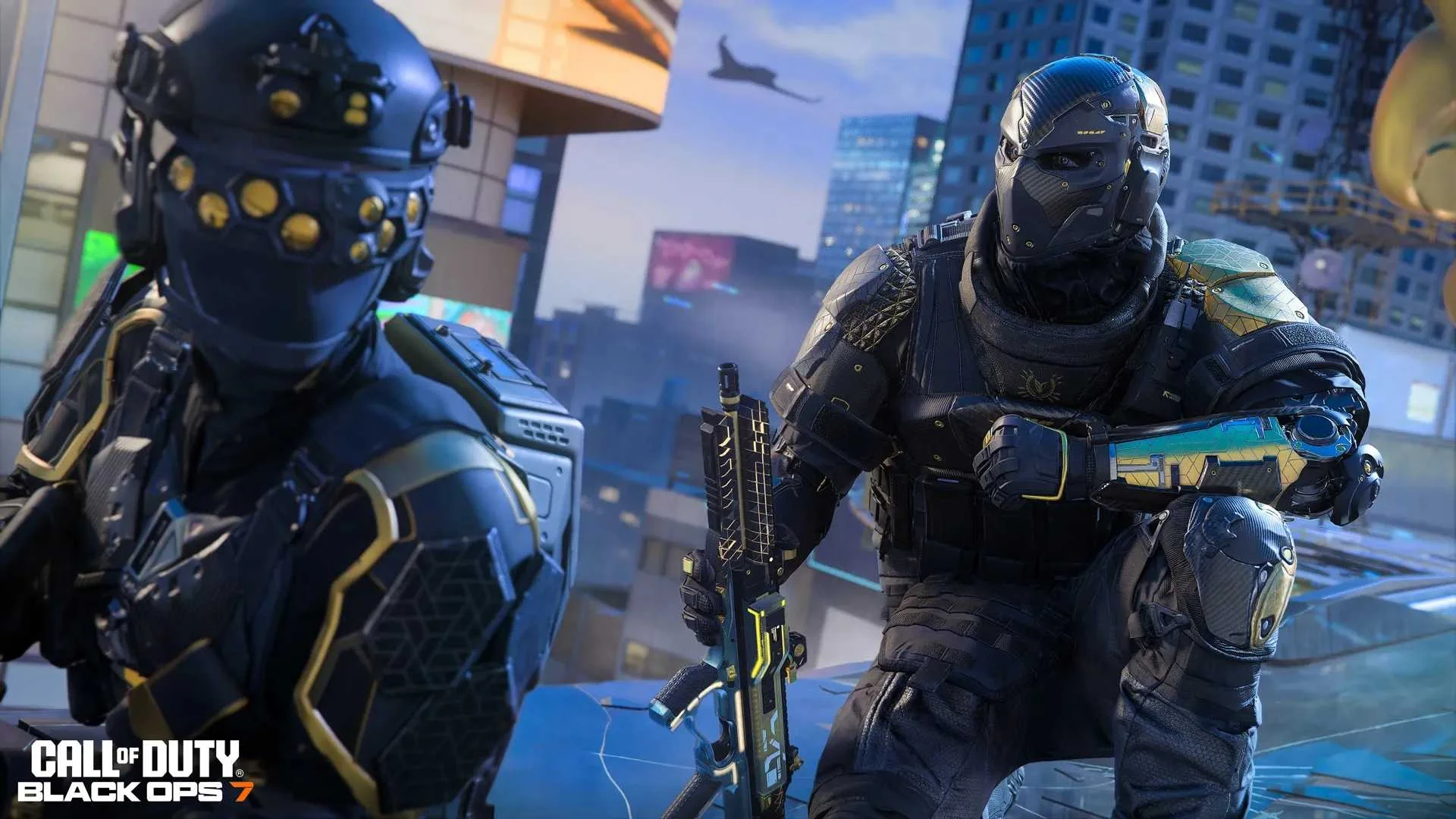
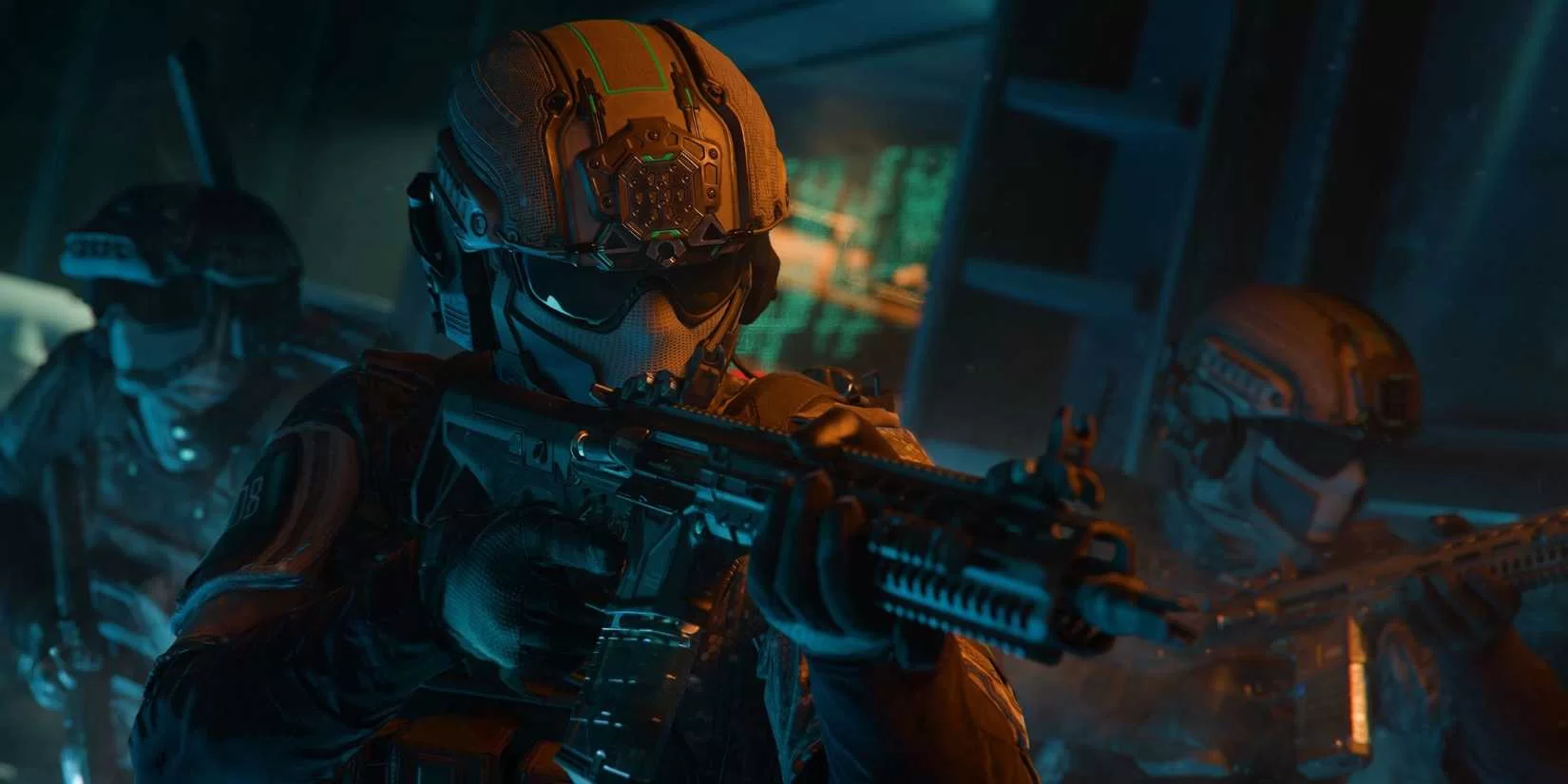
Interestingly, while Black Ops 7 may still win the numbers game, Activision appears to be reacting to player feedback. The publisher recently announced that the game will abandon Carry Forward progression, instead opting for cosmetics that are carefully designed to match the Black Ops identity and deliver a more immersive, grounded experience.
This move comes after years of criticism directed at “outlandish” or “unimmersive” skins that many fans felt clashed with Call of Duty’s tone. Battlefield 6, in contrast, has leaned heavily into authenticity, promising to avoid over-the-top cosmetics in favor of realism. In many ways, the two franchises seem to be moving closer together in design philosophy, as players increasingly demand more cohesive, believable experiences.
The Bigger Picture
While analysts predict that Black Ops 7 will outsell Battlefield 6, the competition is far from meaningless. For EA, the strong early buzz around Battlefield 6 represents an opportunity to rebuild trust after Battlefield 2042’s rocky launch. For Activision, Black Ops 7’s sales dominance may be inevitable, but the true test lies in whether the game can hold player interest beyond its launch window.
As Elliott puts it, “Call of Duty’s market muscle memory is so strong that people will buy it even if they complain about it.” The question now is whether Battlefield 6 can turn its current goodwill into long-term momentum—or if Call of Duty’s decades of dominance will once again prove too entrenched to shake.