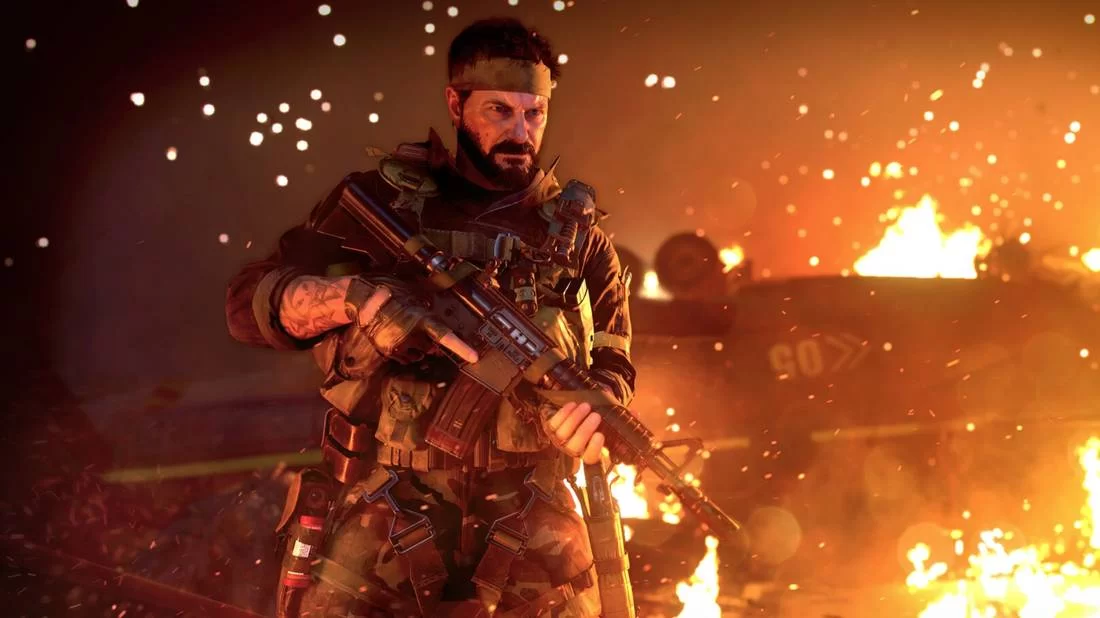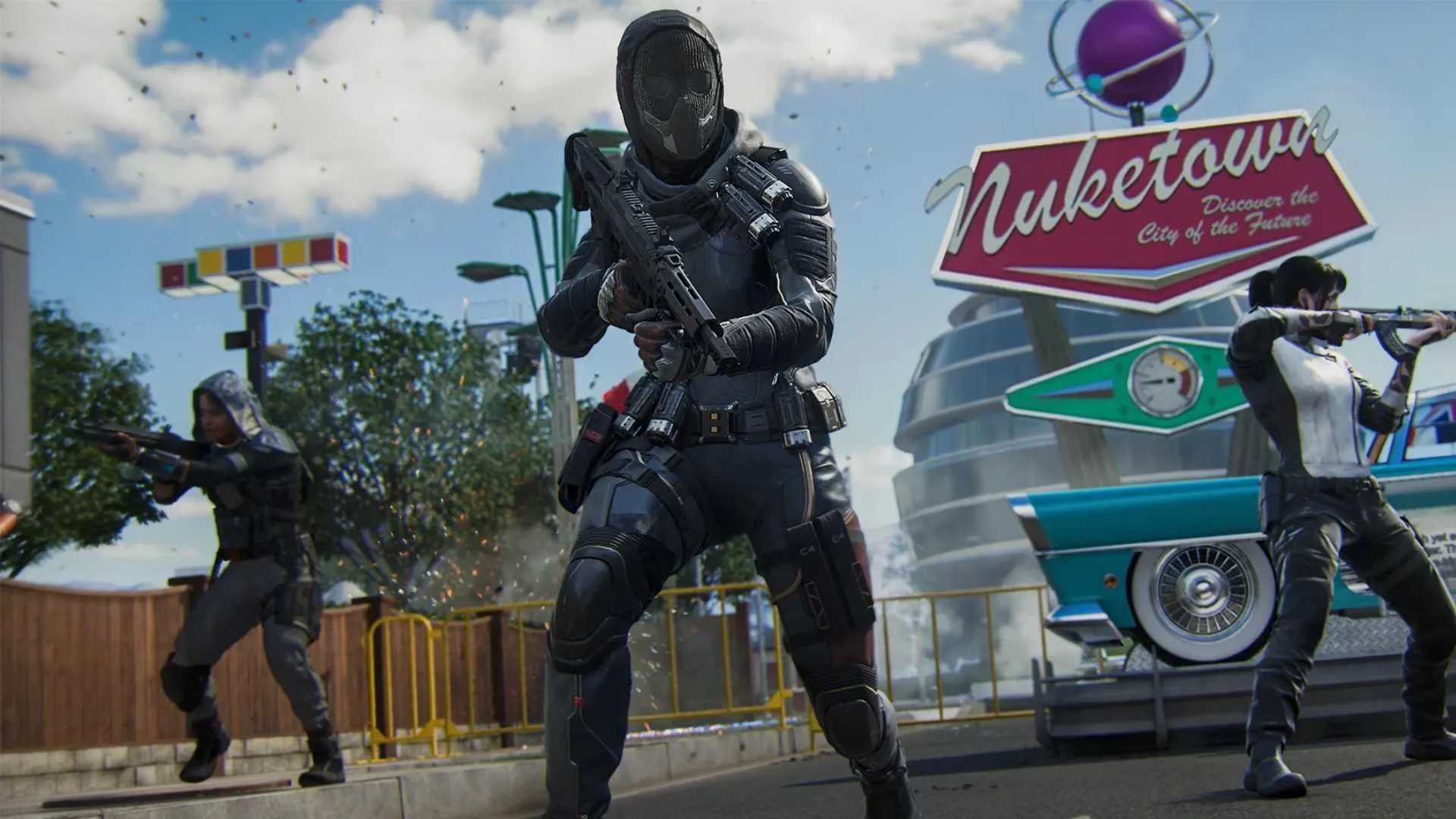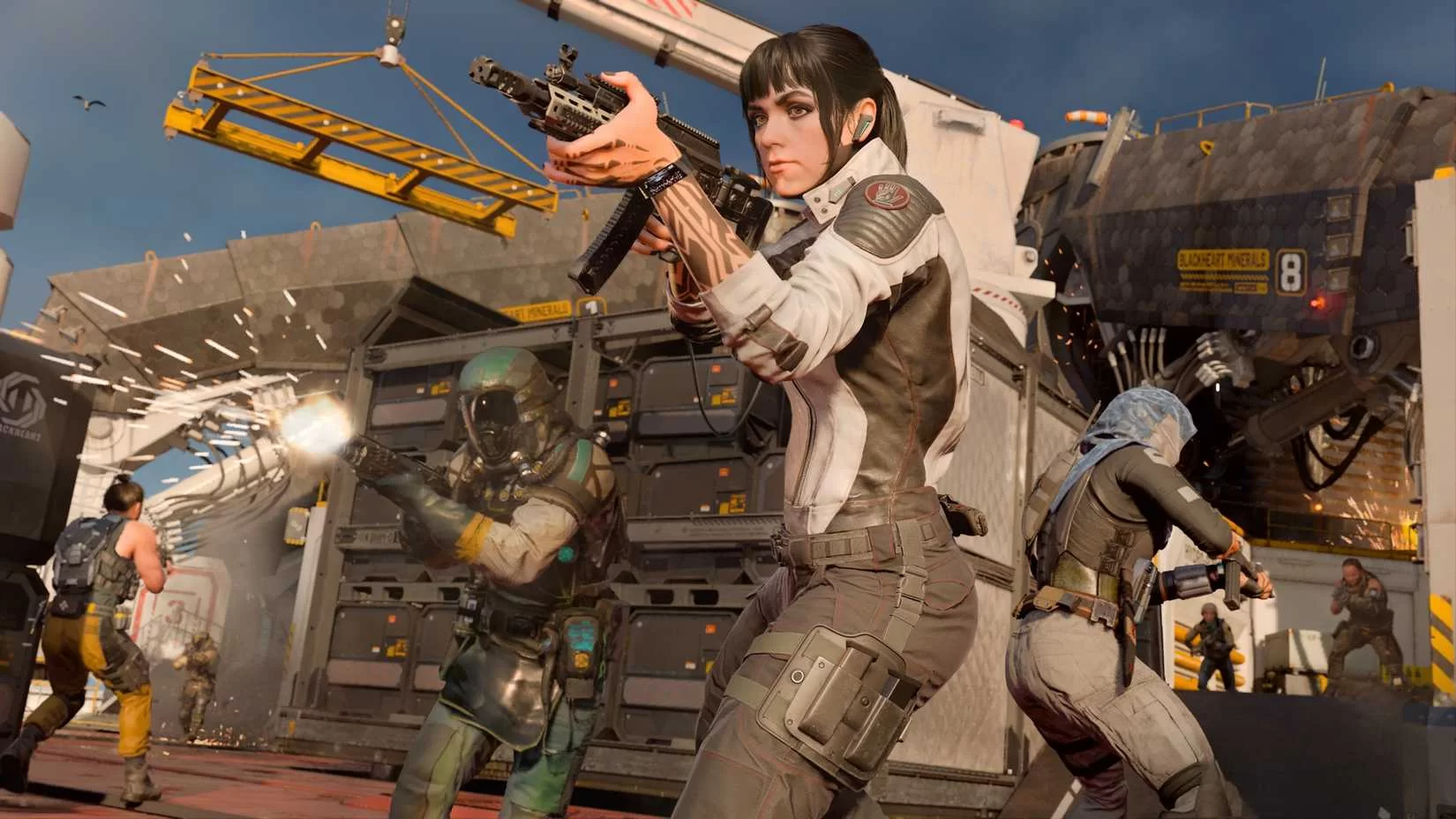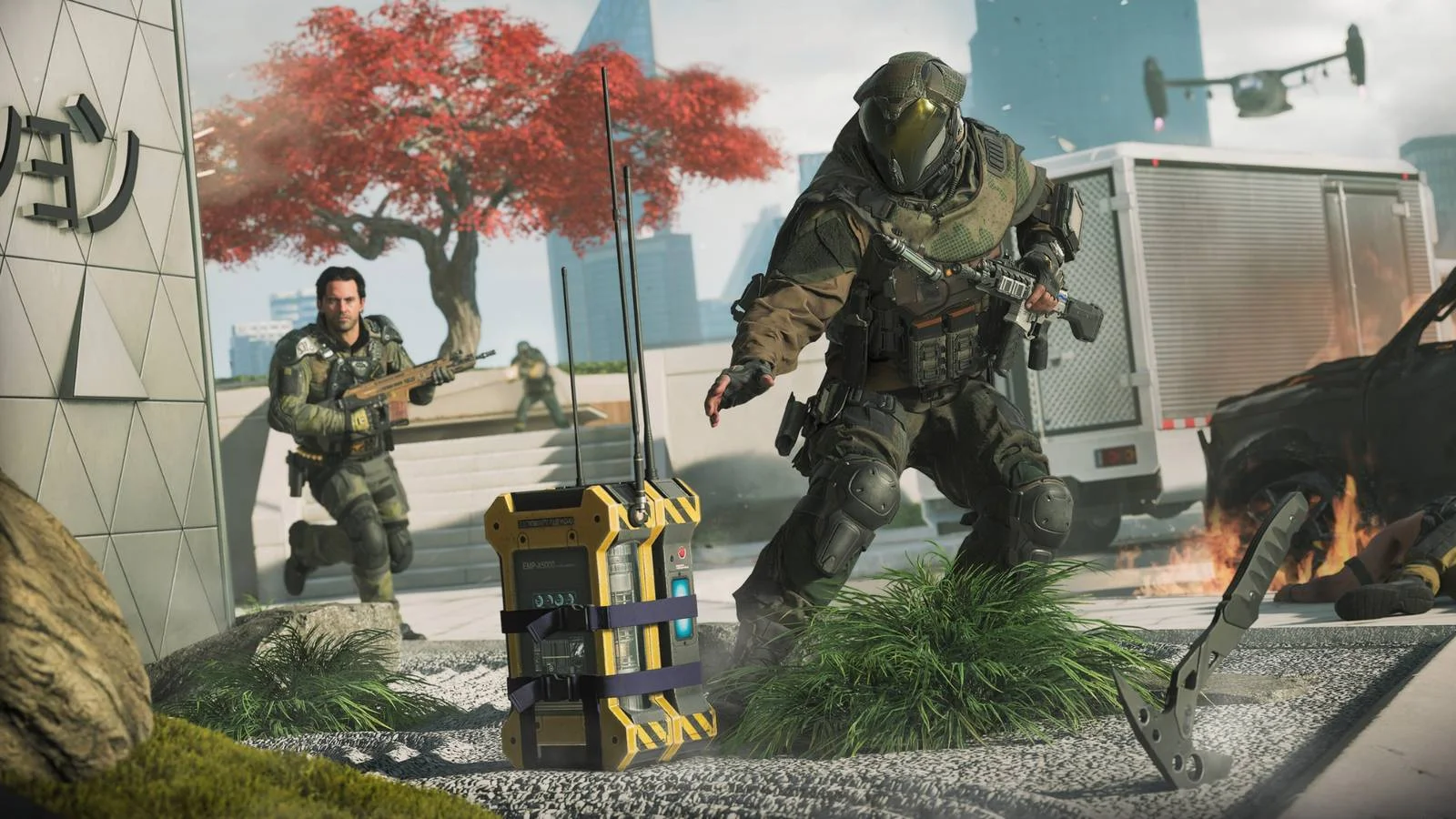

For the first time in years, Call of Duty: Warzone is about to undergo a major shift in how its lobbies are formed—one that completely redefines the multiplayer experience for millions of players. Raven Software has officially confirmed that the long‑running skill-based matchmaking system, widely known as SBMM, will be significantly minimized in Season 1, making room for a more traditional open matchmaking system. This change mirrors the exact approach Treyarch implemented in Call of Duty: Black Ops 7, marking the first time since 2019 that both the mainline multiplayer and Warzone are aligned under a system where connection takes priority over player skill.
Game Director Pete Actipis broke the news during a recent developer Q&A, stating directly that “open matchmaking is coming to Warzone in Season 1.” Though the comment was brief, its implications ripple through nearly every corner of the COD community. After six years under SBMM, many players see this moment as a long‑awaited course correction. Others view it as a risk to competitive balance. But regardless of where one stands, the shift is undeniably one of the biggest structural changes to Warzone since its original launch in 2020.
The full rollout is tied to the Season 1 update arriving Thursday, December 4, a patch that will not only overhaul matchmaking but also introduce new content drops, gameplay adjustments, and further quality‑of‑life improvements across the free‑to‑play battle royale.
A Six-Year Reign of SBMM Comes to an End
To understand the magnitude of this change, it’s important to revisit how the current system emerged. Skill-based matchmaking became one of the defining features of the Call of Duty franchise after its formal adoption in Modern Warfare (2019). Its purpose was straightforward: protect casual players from being thrown into lobbies filled with highly skilled competitors.
By analyzing performance metrics—kills, score per minute, accuracy, kill/death ratio, and other internal stats—the system aimed to create balanced matches where players of similar ability faced one another. It was designed to encourage fairness and reduce frustration, especially for players who only log a few hours a week.
And in many ways, the data supported this philosophy. According to Activision’s internal assessments:
- 80–90% of players enjoyed better end‑of‑match placements
- Casual players quit matches significantly less often
- Players spent more total time in the game across seasons
From a retention standpoint, SBMM delivered results. But it also came with major drawbacks.
Why Players Eventually Turned on SBMM
While casual players were initially protected, mid‑skill and high‑skill players quickly noticed what SBMM meant in practice: a roller‑coaster experience where a streak of good matches immediately resulted in extremely sweaty lobbies. Many described it as “punishment for improving,” leading to widespread frustration.
A typical complaint looked like this:
- Have three great matches
- SBMM detects high performance
- Next few matches: extremely competitive, sweaty, or frustratingly difficult
The experience felt less like a casual multiplayer session and more like ranked play. This tension pushed many dedicated players to demand a system that felt more organic—and more fun.
Treyarch eventually listened. With the Black Ops 7 beta, the studio tested a modified open matchmaking system. The response was overwhelmingly positive. This directly paved the way for Black Ops 7’s full launch to adopt open matchmaking, and now, Warzone is following the same path.
What Open Matchmaking Actually Means for Warzone
The term “open matchmaking” can be misleading. It does not mean that skill is completely ignored. Skill still exists in the equation—just weighted far less heavily.
Here’s how the new system prioritizes matchmaking:
- Ping and connection determine lobby composition
- Server location determines who players are placed with
- Skill is only lightly considered, mainly as a secondary filter
- Lobbies are wide skill mixes, resembling Call of Duty titles from the early 2010s
This means players will no longer be consistently placed into finely tuned SBMM brackets. Instead, a typical lobby will mix all skill levels, leading to unpredictable encounters and more varied gameplay pacing.
For Warzone players, the differences will be immediately noticeable:
- Faster queue times
- Lower ping matches
- Wider range of player skill
- More chaotic and varied engagement patterns
Modes like Battle Royale, Resurgence, and limited‑time playlists will benefit from more fluid matchmaking, particularly during off‑peak hours.
Why Raven Software Likely Made the Change
Though the studio has not given an official reason, the logic is easy to read between the lines:
- Black Ops 7’s open matchmaking was a massive success
- Community feedback reached a breaking point
- A unified matchmaking system across the franchise simplifies tuning
- Warzone thrives when fun is prioritized over tightly controlled balance
The COD community has been unusually unified in its response. The moment Treyarch reduced SBMM in the Black Ops 7 beta, social media exploded with support. And now that Warzone is adopting the same system, reactions look nearly identical.
Players commented:
- “Amazing year incoming.”
- “This is huge.”
- “Finally, Warzone is fun again.”
The sentiment is clear: the community views this as a restoration rather than a gamble.
The Future of Player Behavior Under Open Matchmaking
One of the most interesting shifts will be how player strategy evolves. Under SBMM, tactics grew increasingly sweaty:
- Movement metas
- Slide cancel spamming
- High-DPI flicking
- Loadouts engineered around competitive comps
With open matchmaking, players may encounter a broader variety of playstyles. There will still be highly skilled veterans, but also unexpected casual players, experimental builds, and less predictable engagements.
This shift could also reduce player burnout. Without every match feeling like a tournament-level lobby, players may find the game easier to relax into—something Warzone hasn’t had in years.
Season 1: The Broader Context
The matchmaking overhaul is only one part of a much larger Season 1 package. Though details of weapons, maps, and modes will be shared closer to launch, Raven Software has confirmed:
- new weapons
- a refreshed battle pass
- gameplay tuning
- UI improvements
- new quality‑of‑life upgrades
- expanded customization
- playlist changes
But even with all that, matchmaking remains the headline feature.
Conclusion
After six years of heated debate, Call of Duty: Warzone is finally moving away from strict SBMM and returning to a system built around ping, connection, and natural gameplay variety. With Season 1 launching on December 4, players will step into lobbies that feel closer to the classic COD experience—less rigid, more unpredictable, and hopefully, more fun.
For many longtime fans, this update marks the beginning of a new era for Warzone.