Bradley the Badger Could Be the Most Subversive 3D Platformer in Years — And the Indie Scene Needs It
A Platformer With a Mischievous Agenda
Every few years, a platformer comes along that doesn’t just play with genre conventions — it pokes them in the eye. Bradley the Badger, the new action-adventure platformer revealed at The Game Awards 2025, seems determined to join that lineage. Its reveal showed a project that openly challenges the sanitized, mascot-driven perception of classic platformers by twisting recognizable ideas into something far stranger and more self-aware.
The moment Bradley steps outside his cheerful home and discovers the Dreamwoods replaced with unfinished, corrupted worlds, it becomes clear the game is positioning itself less as a nostalgia trip and more as a meta-critique of the medium itself. For a genre often accused of playing it safe, this kind of experimentation is exactly what keeps platformers culturally relevant.
The Historical Shadow of Mascot Subversion
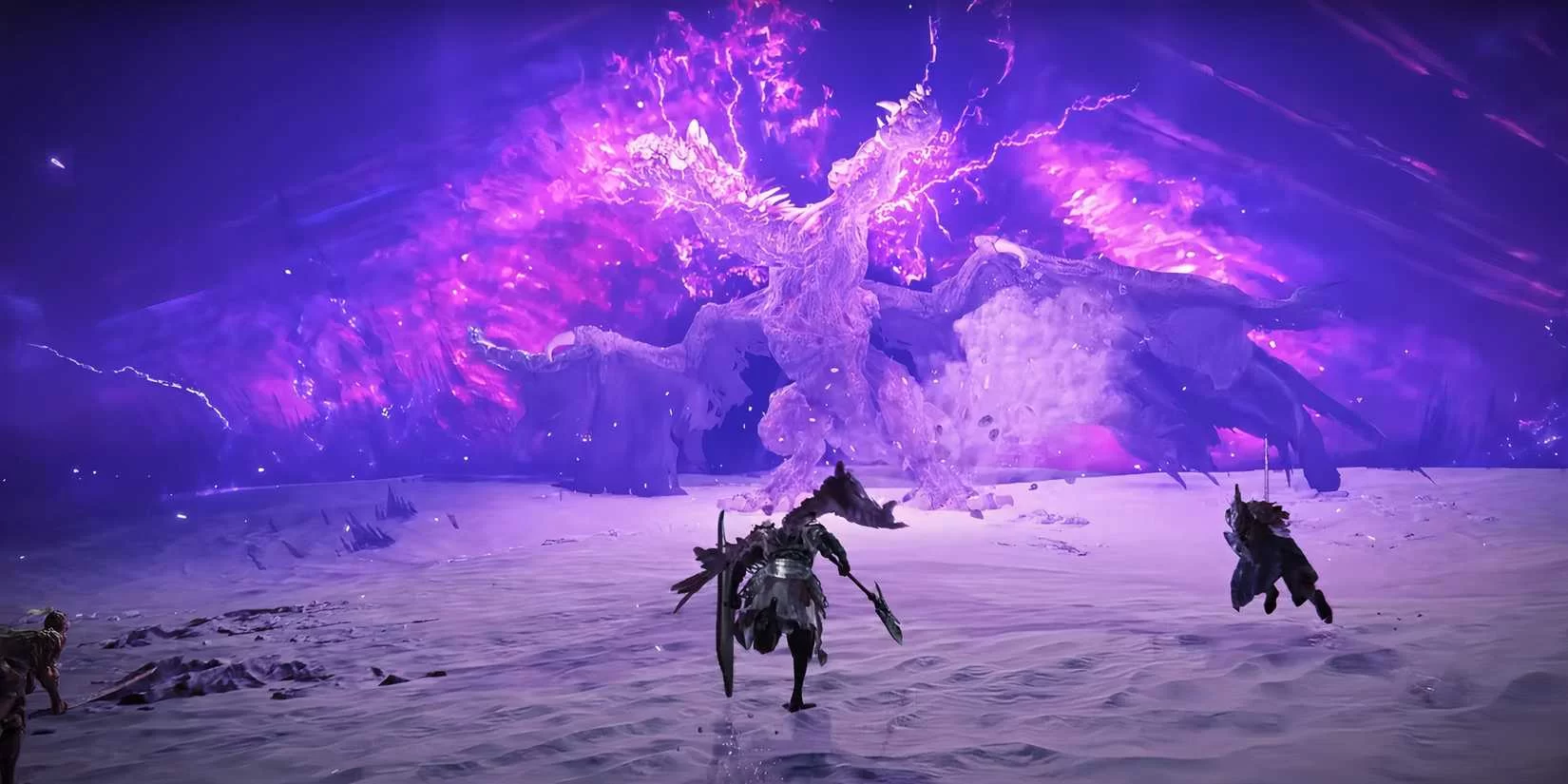
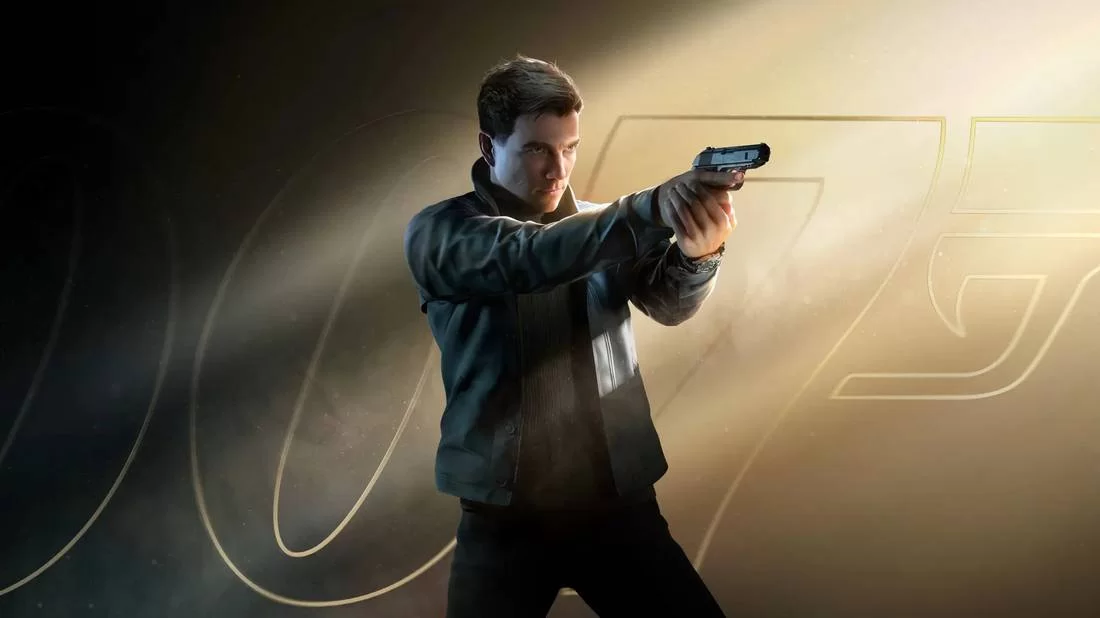
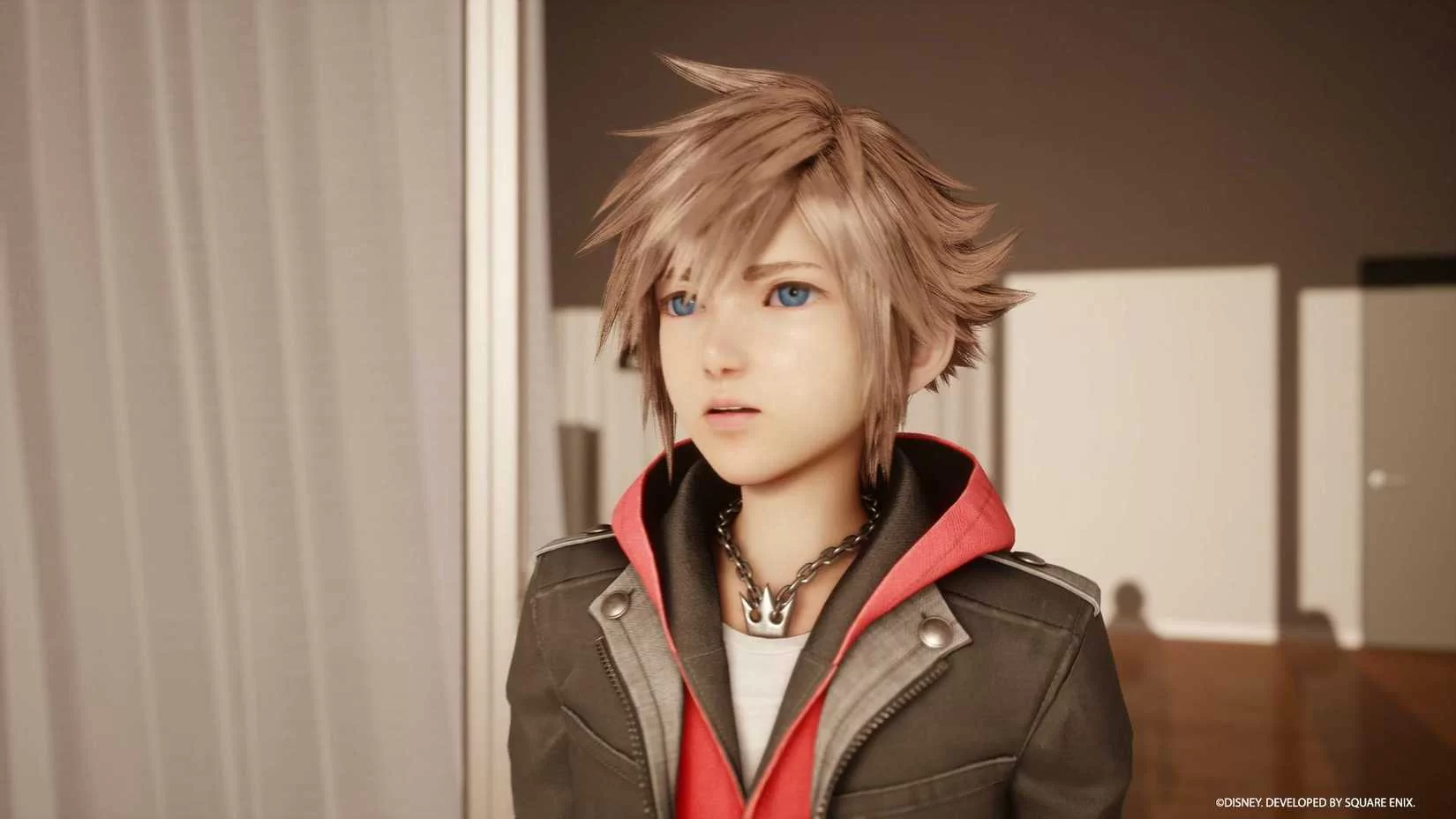
Any platformer leaning into satire instantly invites comparison to Conker’s Bad Fur Day — a game that became a cult favorite not because it was vulgar, but because it deliberately undermined Nintendo-era expectations. Badgerborne, Cyberbadger, and The Last Badger, glimpsed in the trailer, are not cheap parodies; they are playful distortions of genre-defining titles.
This tactic isn’t new, but it’s been missing from modern platformers. Many indies attempt homage, but few attempt confrontation — using parody as commentary on how rigidly the industry compartmentalizes genres.
Bradley the Badger appears ready to step into that space.
Unfinished Worlds as a Narrative Device
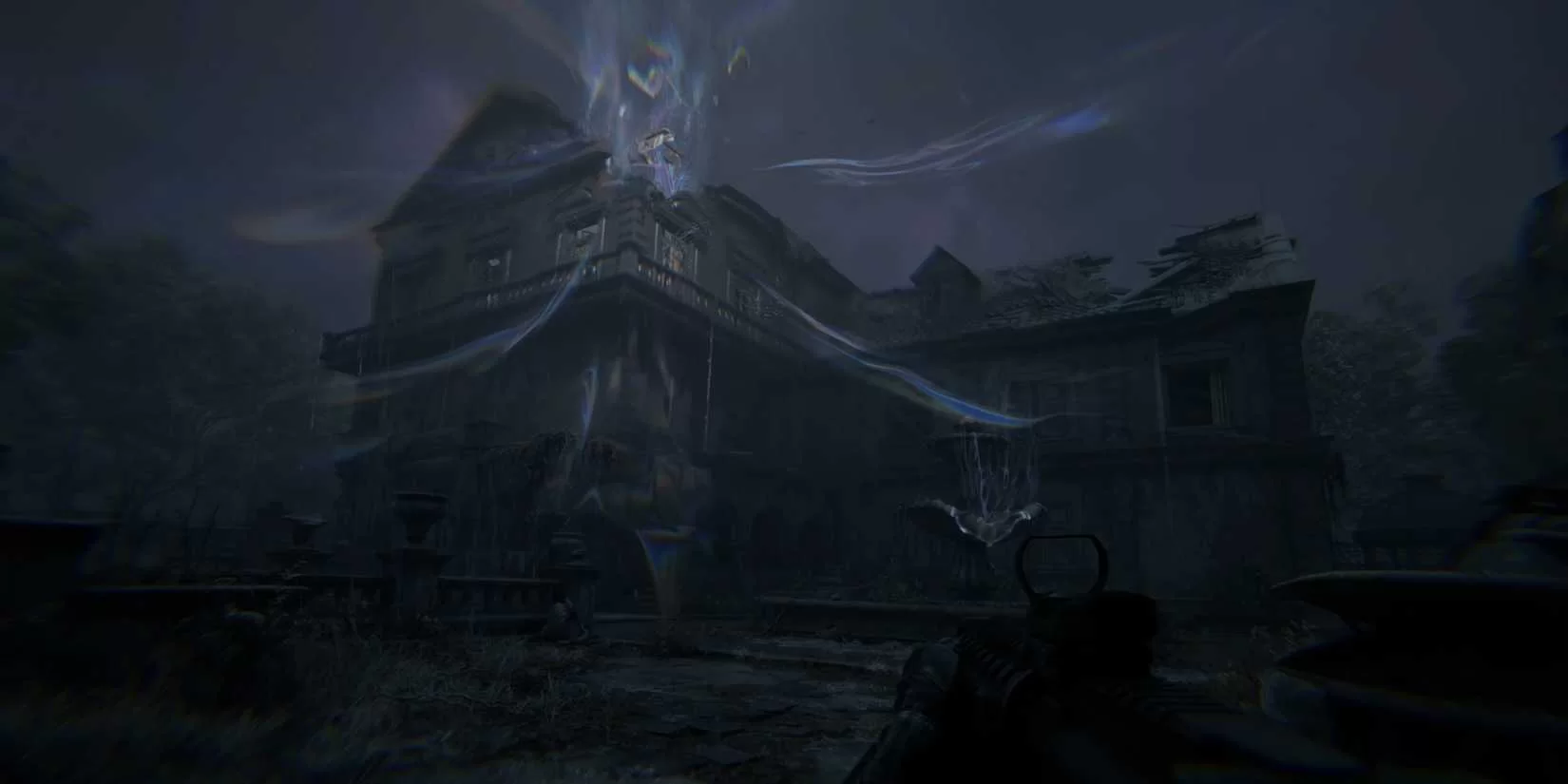
The idea that Bradley is wandering through “unfinished” game worlds highlights a trend emerging in indie design: the willingness to expose the scaffolding of development instead of hiding it.
Games like these force players to confront:
-
broken logic,
-
unstable geometry,
-
crashed-code aesthetics, and
-
the underlying machinery of game creation.
This reflects a growing appetite for titles that explore the creative process itself, not just the resulting product.
The badger mascot’s cheerful demeanor wandering through malformed interpretations of famous games makes the contrast sharper. The cute character becomes a guide through the chaos of design, branding, and artistic influence.
The Live-Action Twist: A Bold (and Risky) Experiment
One of the trailer’s most intriguing moments wasn’t a parody world — it was Bradley briefly stepping into a live-action sequence. Live-action inserts are notoriously difficult to execute without coming off as gimmicky, but they point to a central theme: the crumbling boundary between the game and the “real.”
If integrated meaningfully, this could give the narrative emotional and conceptual weight. If used merely as a novelty, it will stick out. The risk is high, but ambitious platformers are built on risk.
The Kit: A Developer Tool Turned Gameplay System
The most promising mechanical element shown is the Kit, a multifunction tool that allows players to alter geometry, stretch surfaces, copy objects, manipulate gravity, liquify items, and even debug glitches.
This is where Bradley the Badger separates itself from the long list of mascot platformers:
• The Kit transforms players into co-developers.
Instead of being at the mercy of level designers, players directly reshape the world.
• It injects puzzle logic into traditional platforming.
Surface-stretching and object-scaling encourage experimentation, not rote execution.
• It opens the door for emergent solutions.
In a well-designed system, players think like creators, not just navigators.
Mechanics like these tend to generate high community engagement, as players share unexpected solutions, speedrun exploits, and odd interactions the designers didn’t anticipate.
How Bradley Fits Into the Modern Platformer Landscape
The 3D platformer genre has doubled down on whimsy and nostalgia in recent years. Titles evoke the charm of late-90s mascot adventures but rarely push into abrasive or surreal territory. The few that do — like genre-bending meta platformers — often become sleeper hits because they offer something sharp and unpredictable.
Bradley the Badger positions itself as the next evolution of that design philosophy. It’s not mocking platformers — it’s interrogating them.
The multiple worlds inspired by dark, mature games also signal a recognition that today’s platformer audience spans decades and tastes. Gamers raised on both Conker and Souls-likes are ready for something that mixes tones rather than choosing one lane.
Impact on Players: Why This Game Might Hit a Nerve
Bradley has the potential to resonate with several audiences at once:
• Nostalgic platformer fans
They’ll connect with the mascot structure and familiar movements.
• Meta-narrative enthusiasts
The broken worlds and live-action twist appeal to players who enjoy games that challenge their own reality.
• Fans of experimental tools and systems
The Kit’s versatility may attract those who enjoy creative problem-solving rather than rigid level design.
• Streamers and content creators
Any game with glitch-like mechanics and satirical worlds is primed for viral moments.
Bradley the Badger isn’t just a game — it’s an experience tailor-made for reaction culture and community interpretation.
Risks and Unanswered Questions
Despite the promise, several risks loom:
-
Live-action segments can break pacing if not expertly integrated.
-
Satire can fall flat if the story leans too heavily on reference humor.
-
Tools like the Kit require tight balancing to avoid players bypassing intended gameplay.
-
The game’s worlds could feel disjointed if the tone isn’t unified by a strong narrative thread.
The key challenge will be maintaining coherence while celebrating chaos.
The Road Ahead
The lack of a release date suggests a development cycle still in its middle stages. The studio has promised cast reveals, gameplay clips, and ongoing updates — a smart move for a game that thrives on community interpretation.
If executed well, Bradley the Badger could become a defining indie platformer of its era: sharp, surreal, mechanically playful, and willing to poke holes in gaming’s sacred structures.
If not, it risks being remembered as another quirky idea that didn’t quite land.
Either outcome makes it fascinating to watch.