The “impossible” Witcher 3 DLC that now looks very possible
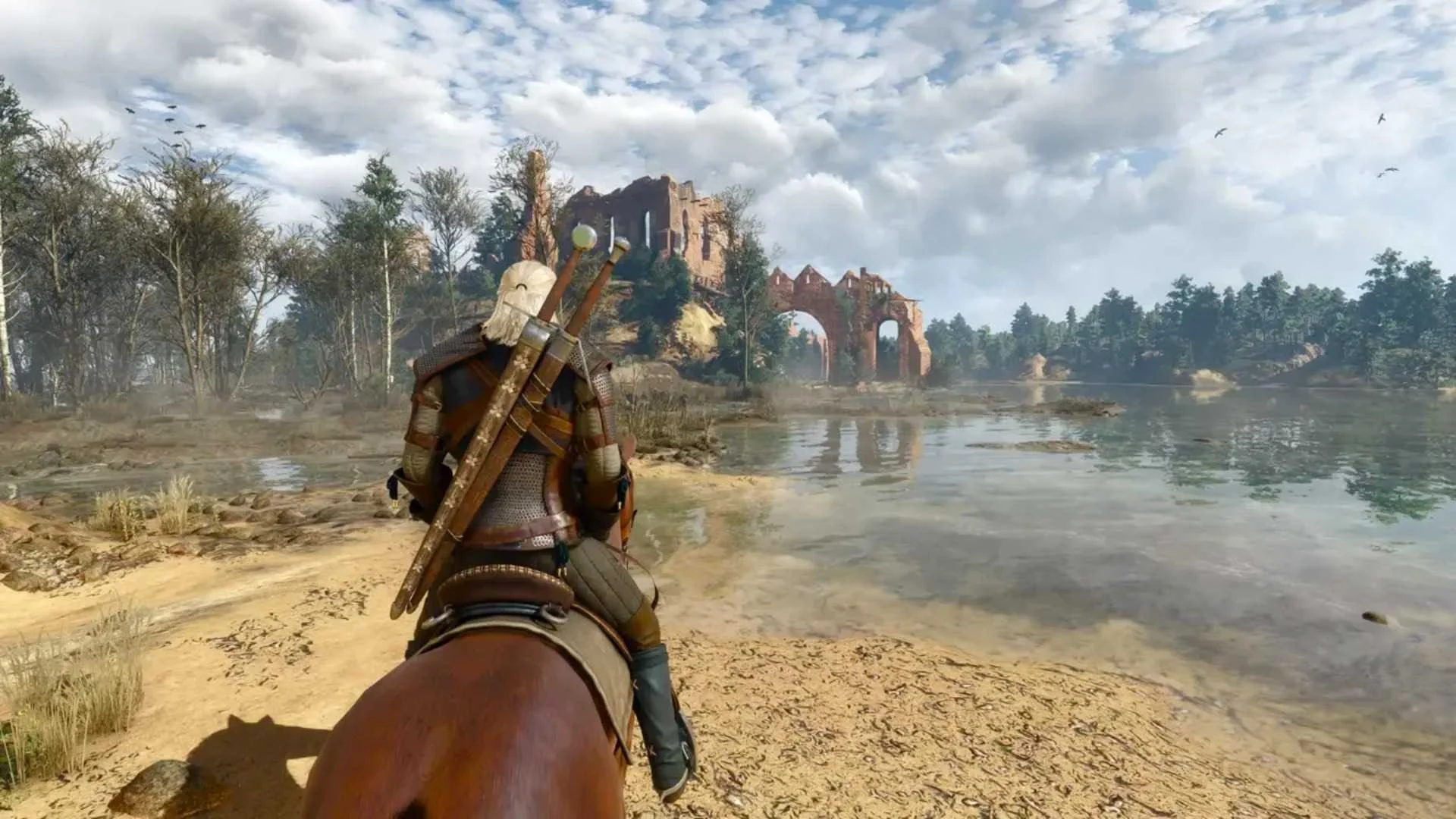
For years, The Witcher 3 felt finished in the cleanest way any modern RPG can be finished. Two massive expansions, a definitive edition, and a generation-spanning re-release gave Geralt’s saga the kind of send-off other franchises envy.
So when industry analysts started floating the idea that a brand-new Witcher 3 expansion could land in 2026, the reaction was predictable: excitement, disbelief, and a lot of “there’s no way.”
That mood has shifted. Multiple industry figures have now backed the claim, and—more importantly—CD Projekt itself has all but winked at the idea on a recent investor call, teasing “new content hinted at in recent calls and reports” that could arrive this year. The studio refuses to name it, but at this point, a late-life expansion for The Witcher 3 is the only thing that really fits the clues.
The interesting part isn’t just that it might happen. It’s why it makes so much sense strategically.
Why go back to a 2015 RPG in 2026?
On paper, building new content for a decade-old game sounds like a nostalgia play. In practice, it’s a business decision that solves several problems at once:
1. Re-igniting the Witcher audience before the Ciri-led trilogy
CD Projekt has already confirmed the next mainline Witcher saga will pivot from Geralt to Ciri and is planned as a full trilogy. That’s ambitious.
Launching that trilogy into a cold audience would be risky. Launching it after a high-profile return to The Witcher 3–the game many players still call the best RPG ever made–is a much safer bet. A new DLC would:
-
Pull lapsed players back into the ecosystem
-
Push new players to finally pick up Witcher 3’s Complete Edition
-
Create a huge, cheap marketing funnel for the next-gen trilogy
It’s essentially paid advertising that players actually want to buy.
2. The Borderlands 2 precedent
Borderlands 2’s Commander Lilith & the Fight for Sanctuary proved late-game expansions can work. That DLC arrived seven years after launch and mainly existed to bridge the gap into Borderlands 3.
A Witcher 3 expansion in 2026 would play a similar role:
-
Tie up lingering narrative threads
-
Seed locations, factions, or conflicts that show up in the Ciri-led games
-
Refresh the franchise in the public imagination without the cost of a full new engine and production pipeline
The twist here is that CD Projekt would likely ask full price—rumors suggest around $30. That makes it both narrative glue and a direct revenue generator.
Who actually makes it? Enter Fool’s Theory
One of the biggest clues is the studio supposedly handling the project: Fool’s Theory, currently working on the remake of the first Witcher.
That alone is revealing:
-
They already live inside Geralt’s world. Rebuilding Witcher 1 means deep familiarity with the lore, tone, and art style The Witcher 3 uses as its anchor.
-
They’re not CDPR’s core next-gen team. CD Projekt has moved big internal efforts to Unreal Engine 5 for future titles. Fool’s Theory, meanwhile, can stay on REDengine and squeeze one more high-end project out of it while the main studio focuses on the future.
-
It spreads risk. If the expansion somehow underwhelms, CDPR can frame it as a collaboration rather than a full in-house effort, while still sharing design, narrative, and tech support.
From a production standpoint, it’s a neat division of labor:
-
CD Projekt: Oversees narrative direction, brand, and franchise consistency.
-
Fool’s Theory: Handles day-to-day content creation, level design, and implementation on tech they’re already touching for Witcher 1 Remake.
The tech question: one last dance with REDengine
CD Projekt has publicly committed to Unreal Engine 5 for the next Witcher trilogy and for Cyberpunk’s sequel. Going back to REDengine in 2026 sounds backwards—unless you look at the trade-offs.
The upside of staying on old tech for one more trip
-
Tooling already exists. The Witcher 3 pipeline is battle-tested. Quest design, combat tuning, and cinematic tooling all exist and are proven.
-
Art direction is locked. No need to rethink the lighting model, materials, or rendering tech to fit a new engine. The expansion would blend smoothly with existing content.
-
Lower technical risk. A DLC built on mature tech is less likely to suffer Day-1 meltdown issues than a brand-new engine stack.
The downside
-
Aging engine limitations. Any new systems (mount combat, weather simulation, more reactive cities) are limited by what REDengine can do without major rework.
-
Expectation gap. After Cyberpunk 2077’s glow-up and next-gen patches across the industry, players have a very different baseline for fidelity and performance. A 2026 DLC that still feels like 2015 in places will need to lean hard on art direction and narrative to compensate.
If the rumored $30 price point is accurate, CD Projekt is effectively betting players care more about returning to this world than about cutting-edge tech.
Player expectations: you don’t just “add” to a classic
The bigger challenge isn’t technical; it’s emotional. The Witcher 3 has two of the most beloved expansions in RPG history:
-
Hearts of Stone proved you can tell an incredibly tight, self-contained story inside an already huge game.
-
Blood and Wine gave Geralt a thematic farewell and a literal vineyard to retire to.
A third expansion has to answer tough questions.
Who is the story really about?
Geralt’s arc already has an ending that many fans consider basically perfect. That’s why a lot of speculation centers on Ciri:
-
Using her as the narrative focus lets CD Projekt test drive a Ciri-led Witcher mechanically and tonally without the full pressure of a new mainline title.
-
A Ciri-focused DLC can occupy that in-between space: post-Wild Hunt, pre-new trilogy, without trampling existing endings.
Alternatively, the expansion could be framed as:
-
A side story set during Witcher 3’s main timeline (less likely; constraining)
-
A multi-perspective structure where Geralt is present but not central
Any hint of “rewriting” Geralt’s send-off will be picked apart by fans immediately.
How big does it need to be?
Hearts of Stone and Blood and Wine set expectations brutally high:
-
Deep, bespoke quest lines
-
New regions with visual identity
-
Mechanical twists (runes, mutations, contracts, boss design)
A smaller, more linear expansion may be judged harshly even if it’s tightly designed. Pricing becomes crucial here. At around $30, players will expect something substantial–not just a short epilogue.
Why this move fits CD Projekt’s 5-year plan
Look at the broader roadmap and a Witcher 3 expansion stops feeling strange and starts looking almost inevitable.
-
Short term (2026):
-
Monetize an enormous existing player base with new content.
-
Reassert The Witcher as CDPR’s flagship after Cyberpunk’s redemption arc.
-
Stress-test narrative direction and player appetite for Ciri-led stories.
-
-
Medium term (2027–2030):
-
Launch first Ciri-focused Witcher game on UE5 to a freshly re-engaged fanbase.
-
Cross-promote with Witcher 1 Remake and the Netflix series.
-
-
Long term:
-
Establish The Witcher as a multi-era franchise where going back to “finished” games for meaningful new content is normal rather than shocking.
-
From that angle, the rumored expansion is less of a surprise and more of a logical move in a longer strategy to keep The Witcher at the center of CD Projekt’s identity for the next decade.
If it’s real—and at this point, it’s hard to argue it isn’t—the real question isn’t whether people will buy it. It’s whether CD Projekt and Fool’s Theory can deliver something that feels worthy of touching one of the most carefully wrapped endings in modern RPGs.