
The Controversy Surrounding AI-Generated Content in Clair Obscur and Its Impact on the Gaming Industry
The use of artificial intelligence (AI) in video game development has become a hot-button issue in recent years, with some developers experimenting with AI to generate assets like art, text, and music. However, the recent controversy surrounding Clair Obscur: Expedition 33 has brought the debate into sharper focus. Sandfall Interactive, the developer behind the critically acclaimed RPG, has faced backlash for using AI-generated assets in the game. While the studio quickly patched out these AI-created elements, the damage was done, with the game being disqualified from the Indie Game Awards and losing multiple prestigious nominations. The situation highlights a key question for the gaming industry: where does the line between human creativity and AI-generated content lie?
In an industry already grappling with the ethical implications of AI, the controversy surrounding Clair Obscur adds another layer of complexity. While some developers have embraced AI for certain aspects of game creation, others, like Sandfall Interactive, are pledging to avoid its use in the future. But the use of AI in game development isn’t going away anytime soon, and its increasing prevalence raises important questions about its role in creative industries.
AI in Clair Obscur: A Misstep or a Harbinger of the Future?
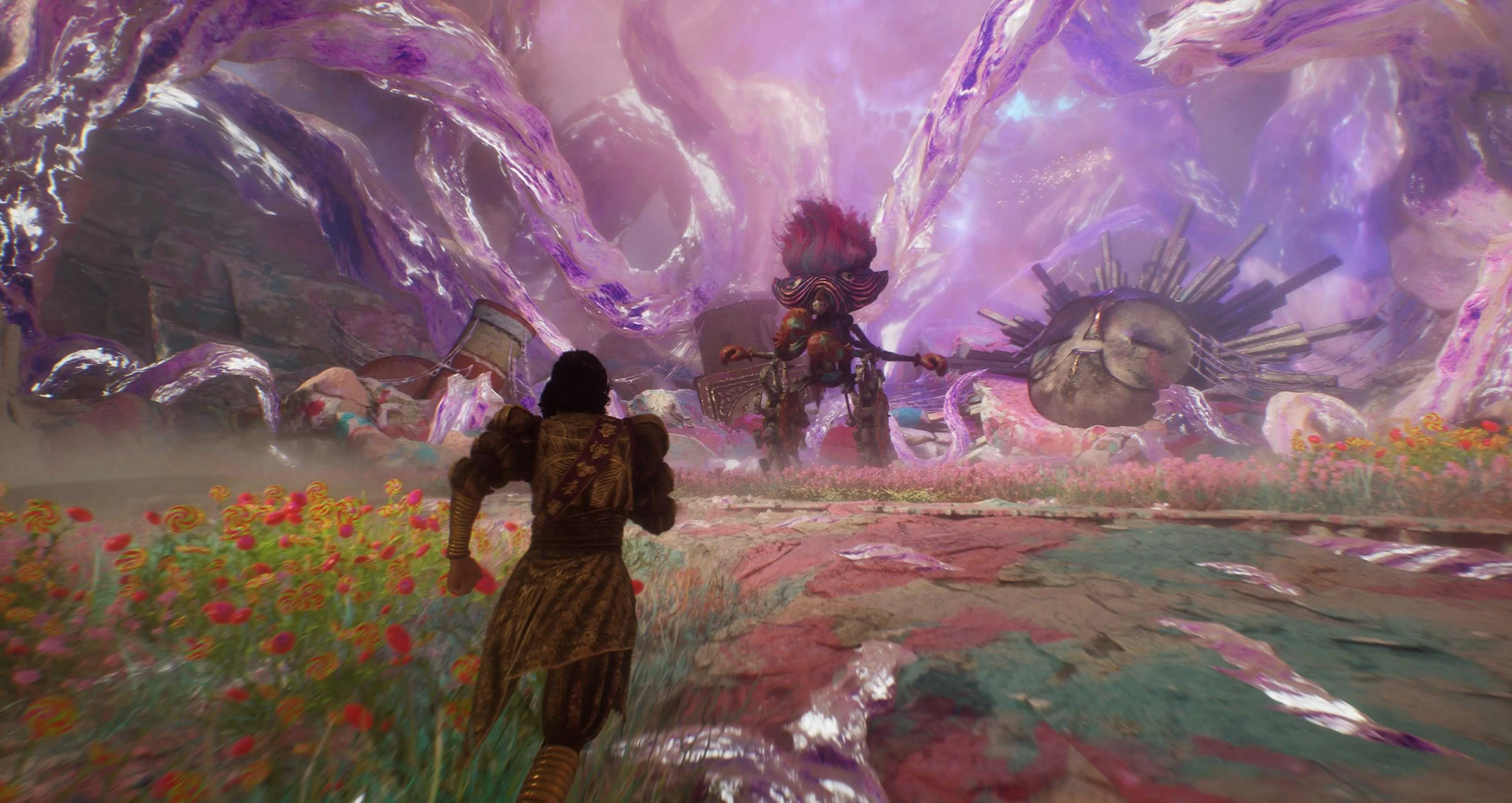
When Clair Obscur was released, the excitement surrounding its intricate world-building, narrative, and RPG mechanics was palpable. However, it wasn’t long before fans noticed something unusual: the game featured AI-generated art assets. These assets were not part of the finished product but were intended as placeholders, a common practice during game development. However, the backlash was swift. Players accused Sandfall of taking shortcuts in the creative process, and some felt that the use of AI undermined the artistry of the game.
Though the studio quickly patched out the AI-generated assets, the damage had already been done. The game was disqualified from the Indie Game Awards, with its nominations for Best Debut and Game of the Year rescinded. This response from the community and award bodies highlights the deep-seated concerns many players have regarding AI's role in the creative process. The backlash against AI-generated art in Clair Obscur is not just about the game's use of technology; it speaks to broader anxieties about AI replacing human creativity in the gaming industry.
The Fallout and Industry Backlash: Will AI Impact Game Development?
While the Clair Obscur controversy caused a stir, it’s not the first time AI use in gaming has generated negative reactions. In a similar vein, Larian Studios, the team behind the critically acclaimed Baldur's Gate 3, admitted to using AI in the development of its games. The studio used AI for tasks like creating concept art, writing placeholder text, and even developing internal materials like PowerPoint presentations. Though Larian’s AI usage didn’t make it into the final product, the revelation led to a wave of criticism from some sections of the gaming community, questioning whether AI would eventually replace human input in game design.
Even developers like Hideo Kojima, known for his innovative use of technology in games, have discussed the potential and limitations of AI in game development. Kojima has acknowledged that while AI has the potential to create deep, dynamic systems that respond to player behavior, he remains opposed to using it to create art. This sentiment reflects a broader concern in the industry: how far should developers go in integrating AI, especially when it comes to creative aspects like visual design, writing, and music?
For Sandfall Interactive, the decision to use AI in Clair Obscur was driven by curiosity and the potential of the technology. Guillaume Broche, the game’s director, and Nicholas Maxson-Francombe, the art director, have both stated that the AI was considered a tool for efficiency but ultimately didn’t meet the creative vision they had for the game. They promised that future games from Sandfall Interactive would be completely human-made, assuring players that they would not rely on AI for the creative aspects of their work.
The Future of AI in Game Development: Opportunities and Risks
While Sandfall has distanced itself from the use of AI, the broader question remains: what is the future of AI in the gaming industry? Developers are already experimenting with AI to create more responsive NPCs, dynamic storylines, and adaptive gameplay systems. AI has the potential to enhance gameplay, providing more immersive and personalized experiences for players. But it also carries risks, particularly in the creative areas of game design.
If AI-generated content becomes more widely used, it could lead to a homogenization of game art and storytelling. AI algorithms are often trained on existing datasets, meaning they can generate content that feels derivative or lacks the unique human touch that makes games stand out. This concern is compounded by the possibility of AI displacing jobs in the creative sectors of game development. If AI can generate art, design levels, or write dialogue, what does that mean for human artists, writers, and designers? Could AI undermine the very essence of what makes games special—the personal, artistic vision of the developers?
At the same time, AI could offer significant benefits. For smaller studios with limited resources, AI can streamline processes, improve efficiency, and even help with content generation, making it easier to create more expansive worlds and intricate game mechanics. The key, as many developers suggest, is to use AI as a tool rather than a replacement for human creativity.
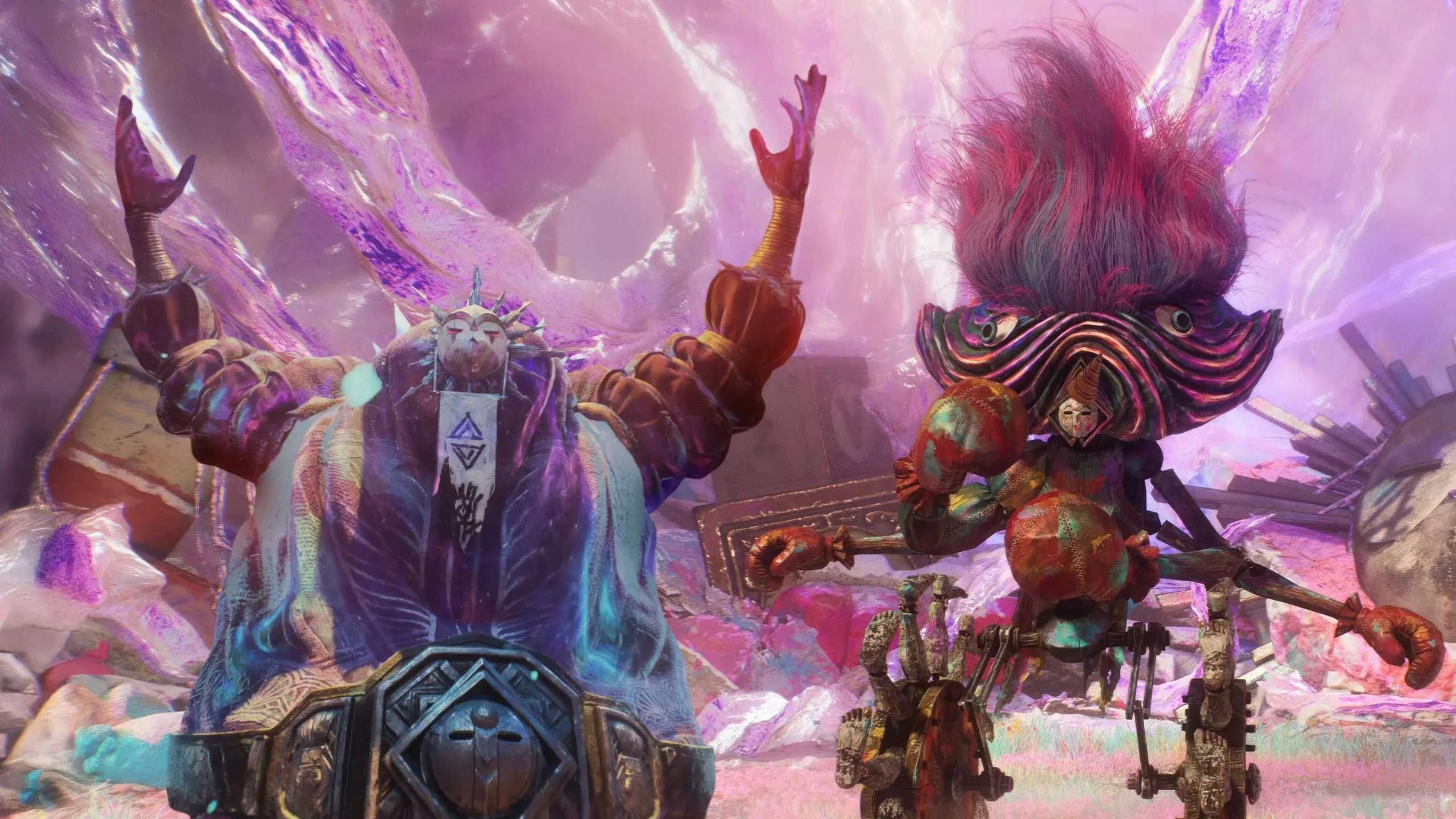
Impact on Players and Community Perception
The Clair Obscur controversy highlights a deep divide in the gaming community over the role of AI in game development. For some players, the idea that AI could be used to create art or design elements of a game feels like a betrayal of the creative spirit of video games. Others, however, may view AI as a tool that can help push the medium forward, enabling more dynamic, personalized experiences.
As AI continues to develop, it will be interesting to see how players’ attitudes toward AI shift. Will they accept AI-generated content as a legitimate part of game design, or will they continue to demand that games be made by human hands? The controversy surrounding Clair Obscur is just the beginning of a larger conversation about the intersection of technology and creativity in the gaming industry.
Conclusion: Finding the Balance Between Technology and Creativity
As the gaming industry continues to evolve, the use of AI in game development will undoubtedly become more widespread. Whether this technology is used to streamline development, create dynamic gameplay systems, or generate art, the challenge will be in finding a balance between technological innovation and human creativity. Sandfall Interactive’s pledge to keep its future games human-made is a statement of commitment to the artistic side of game development, but it also reflects the larger struggle in the industry to define AI’s role in the creative process.
As the debate rages on, it’s clear that the relationship between AI and game development is one that will continue to evolve. Whether AI becomes a tool to enhance creativity or a force that disrupts the artistic integrity of games remains to be seen. What is certain, however, is that this controversy is just the beginning of a much larger conversation about the future of game development.