Expedition 33 Didn’t Just Win GOTY — It Won the Audience War That Publishers Actually Care About
The Result Everyone “Knew” Was Coming — and Why That Matters
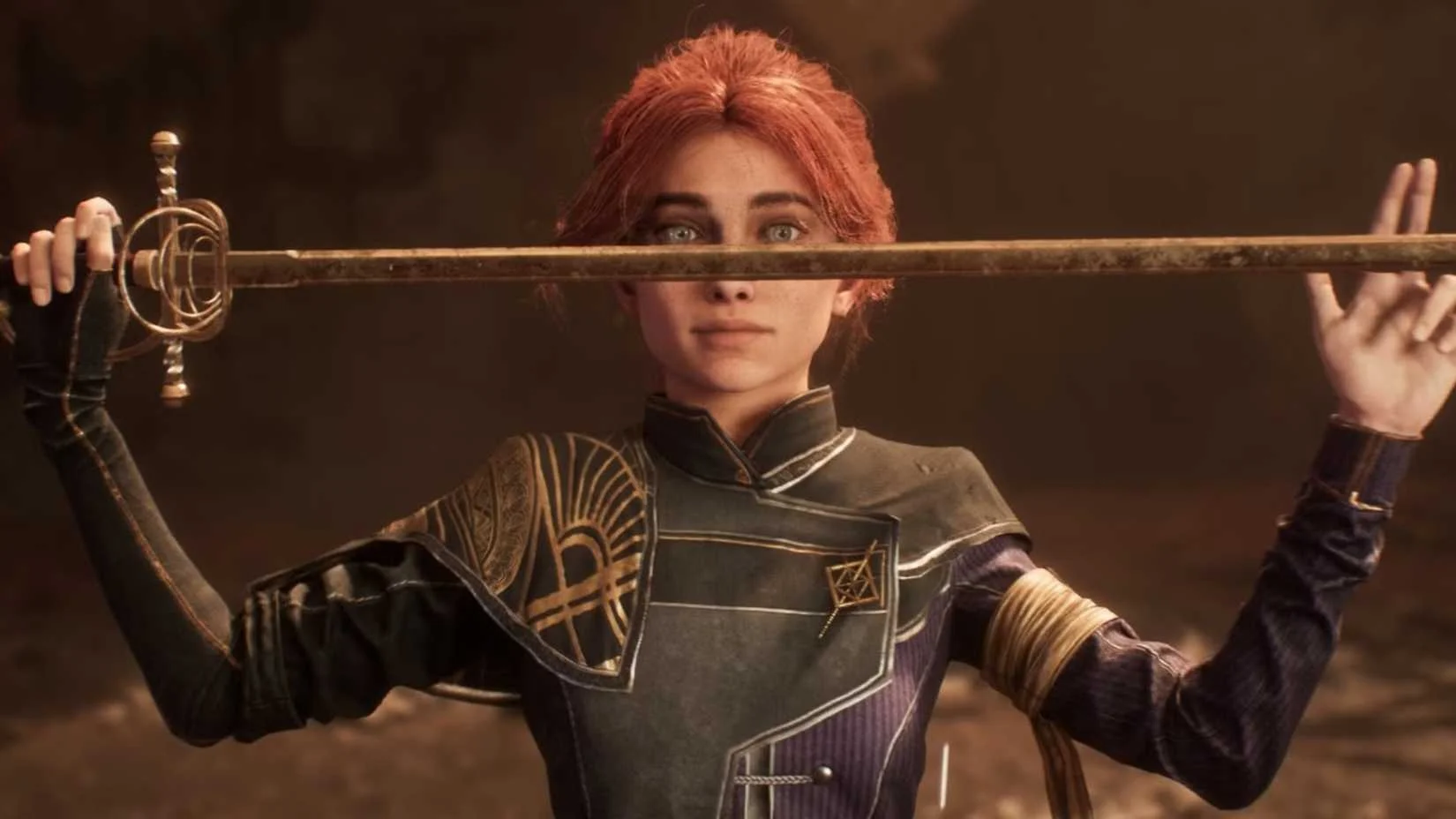
When a Game of the Year race is truly unpredictable, you get tight margins, messy discourse, and a final-night surprise that splits the internet into rival camps. That wasn’t the shape of 2025’s audience conversation. The clearest indicator wasn’t a trailer drop or a critic roundup. It was a simple reader vote that landed like a verdict: Clair Obscur: Expedition 33 took 46% (301 votes), miles ahead of the pack.
Second place wasn’t even close—Hollow Knight: Silksong at 15% (99 votes). After that, the most interesting number wasn’t a nominee at all: “Other” at 14% (90 votes), a protest vote in support of games that didn’t make the official shortlist. Behind that came Kingdom Come: Deliverance II at 10% (66 votes), and then a near-tie cluster of Death Stranding 2 (5% / 35), Donkey Kong Bananza (5% / 34), and Hades II (5% / 32).
The obvious story is “the poll predicted the winner.” The important story is what that dominance says about how modern GOTY consensus forms—and why audience-driven validation is increasingly a separate trophy in everything but name.
Background: “Game of the Year” Used to Be a Single Argument
Historically, GOTY discourse centered on one question: what was the best game, period? That model made more sense when the release calendar was smaller, the platform ecosystem was simpler, and “major games” were easier to keep in your head.
In 2025, “Game of the Year” is a collision between at least three different realities:
-
The Jury Reality: formal criteria, broad coverage, industry taste, and evaluation across many genres.
-
The Audience Reality: what people finished, replayed, memed, recommended, and argued about for months.
-
The Platform Reality: what algorithms surfaced, what streamers amplified, and what storefront attention shaped.
A poll isn’t a replacement for juries—but it’s a clean read of Audience Reality. And 46% is not a polite win. It’s a landslide. When nearly half a voting group converges on one title in a year with heavy hitters, you’re not looking at a fluke. You’re looking at a shared cultural anchor.
Why Expedition 33’s Lead Is More Meaningful Than the Exact Numbers
It’s tempting to obsess over whether 46% would become 40% with a bigger sample. That’s not the point. The point is separation.
In audience terms, Expedition 33 didn’t win by a few votes; it created a “tier break.” In ranking logic, that’s the moment a list stops being a debate and starts being a hierarchy:
-
Tier 1: Expedition 33
-
Tier 2: Silksong + “Other”
-
Tier 3: The remaining nominees clustered close together
That shape tells you the year’s discourse had a center of gravity. And in an era where attention is the scarcest resource, being the center of gravity is more valuable than being everyone’s second favorite.
Technical/System-Level Explanation: What a Reader Poll Actually Measures (and What It Doesn’t)
A reader poll is not a controlled experiment. It is, however, a useful instrument—if you understand what it captures.
What it measures well
1) Passion intensity
People vote when they care. A wide lead typically means a game generated stronger “I need this to win” energy than its competitors.
2) Community salience
Voting behavior reflects which titles are top-of-mind in that specific audience at that specific moment—especially around awards season when hype is concentrated.
3) Identity alignment
Some games become banners for what players want the medium to value: ambition, emotion, polish, innovation, or pure fun. Those games draw votes beyond “I liked it.”
What it can’t measure reliably
1) Total reach across all gamers
Polls reflect the site’s audience and who chose to participate, not the whole market.
2) Completion rates
A game can be beloved and still unfinished by many players; a poll can’t separate “I played it” from “I absorbed the cultural consensus.”
3) Genre representation fairness
Some genres mobilize votes better than others. “Prestige narrative RPG” tends to rally people differently than “excellent platformer.”
So yes: a poll has bias. But bias doesn’t eliminate signal. It clarifies what kind of signal you’re reading: engaged community preference at peak discourse.
Industry Strategy: Why Publishers Care About This Kind of Win
Awards matter. But what publishers increasingly chase is something adjacent: sustained cultural dominance.
A poll landslide indicates:
-
a long tail of discussion
-
a higher likelihood of word-of-mouth sales
-
a higher probability that DLC announcements, updates, or expansions will land with momentum
-
stronger franchise potential if the IP is new
It also creates a marketing loop that doesn’t require marketing to be loud. When the community repeatedly frames one game as the year’s centerpiece, every new player arriving later is “catching up” to a shared event. That’s a powerful place for a game to sit—especially when attention is fragmented across so many releases.
Player/Community Impact: The “Other” Vote Is the Year’s Real Commentary
The most revealing number in the poll isn’t second place. It’s the fact that 14% voted for “Other.” That’s not just a shrug. It’s a message: “The shortlist didn’t represent my year.”
And that tracks with what 2025 looks like from the ground:
-
surprise gems that spread through recommendation chains
-
mid-budget games that became cult obsessions
-
huge AAA releases that dominated sales but not necessarily awards narratives
This is the pressure awards shows face now: even when the nominees are strong, the calendar is stronger. Players don’t just want “the best six.” They want recognition for the variety of experiences that defined their year.
The “Other” vote is the shadow ballot of modern gaming. It’s not saying the winner is wrong. It’s saying the year was bigger than the stage.
Future Outlook: Why Community GOTY Is Going to Grow, Not Shrink
The next phase of awards culture is not “jury vs players.” It’s a split ecosystem where both matter for different reasons.
-
Jury awards shape prestige and industry narrative.
-
Audience awards shape legacy and long-term mindshare.
In 2025, Expedition 33 appears to have captured both the formal crown and the community’s loudest support. That combination is rare—and it’s why the win feels inevitable in hindsight.
The deeper implication is this: GOTY discourse is becoming a two-track system, and games that win both tracks don’t just earn trophies. They become reference points.
If 2026 is as crowded as it looks, community-driven confirmation will matter even more—because the only way to cut through the noise is to become the thing people agree they need to talk about.
Expedition 33 didn’t merely win a poll. It demonstrated what a modern consensus looks like when it’s real: not everyone’s favorite, but enough people’s banner that the year organizes itself around it.