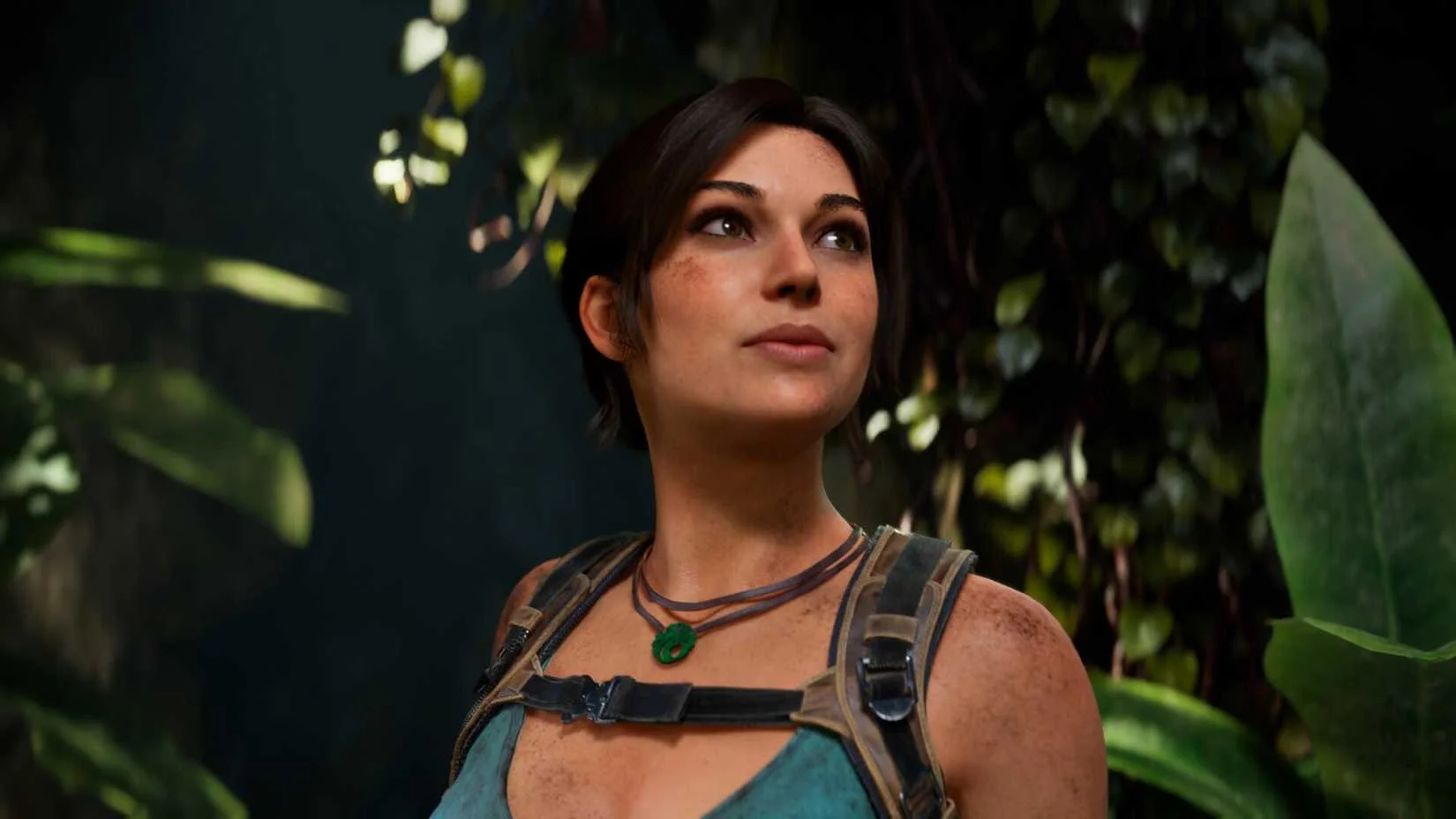
Alix Wilton Regan as Lara Croft Signals a New Tomb Raider Era—and a Harder Acting Job Than Any Previous Lara
The Casting Isn’t the Headline—The Job Description Is
Every new Tomb Raider announcement sparks the same ritual: fans freeze-frame Lara’s face, parse the silhouette, and then wait for the first clean line read. That last part is where a reboot lives or dies. Lara Croft isn’t just an action protagonist; she’s a voice and a rhythm—confidence without smugness, vulnerability without melodrama, intelligence without exposition drag.
Casting Alix Wilton Regan is a statement that the next phase of Tomb Raider isn’t trying to “return” to one version of Lara. It’s attempting something more dangerous: a mature, unified Lara who carries multiple eras of history in her posture, her humor, and her fatigue. If that’s truly the plan for the two upcoming games—one arriving sooner, another positioned as a continuation with even higher stakes—then the acting brief isn’t “play Lara.” It’s “play Lara after everything.”
That’s a fundamentally different assignment than any previous Lara performance.
Context: Lara Has Never Had One Voice, Even When the Series Wanted You to Believe She Did
Tomb Raider has always treated Lara like a legend being retold: same icon, different tone depending on the decade. The early games’ voice work leaned into theatrical adventure. Later iterations sharpened the wit and swagger. The Survivor-era Lara rebuilt her identity around endurance and trauma—less quip-forward, more internal, more raw.
Fans tend to crown a “definitive” voice actor for Lara based on the era they bonded with, and that’s exactly why this casting matters. Picking a new voice is never just a creative choice; it’s a negotiation with a fanbase that’s been trained to hear Lara in a specific register.
The bigger story here is that Tomb Raider’s next step appears to need a performer who can bridge those registers without making the seams obvious.
Why Alix Wilton Regan Fits This Moment (And Why It’s Still a Risk)
Regan’s recent high-profile role as Alt Cunningham demonstrated a specific skill set that’s unusually relevant to Lara Croft’s modern identity: controlled intensity. Alt is not a character you sell with volume. She’s sold with precision—presence, restraint, and the sense that she’s always two steps ahead of the room.
That matters because modern Lara—especially a Lara that’s meant to feel “experienced”—can’t be performed like a constant adrenaline spike. The best Lara reads as competent even when she’s scared, and emotionally guarded even when she’s kind.
Regan’s broader games resume also suggests range across:
-
leadership roles (command presence, strategic calm),
-
morally complex characters (warmth without softness),
-
and action-heavy performances (momentum and clarity in combat barks).
But “fit” is not the same as “safe.” Lara is not just any protagonist. Lara is a tone ecosystem: she has to be aspirational without becoming invincible, funny without becoming flippant, and human without losing myth.
The Technical/System-Level Challenge: Two Laras, One Throat
If the plan is truly to present a Lara whose life story synthesizes multiple eras, the voice performance has to solve a continuity problem that isn’t purely narrative.
H2: The actor must sell “experience” through micro-choices
Players believe a veteran Lara not because she says she’s seen it all, but because her reactions are edited down:
-
She doesn’t panic first; she assesses first.
-
She doesn’t explain danger; she anticipates it.
-
She doesn’t perform fear; she manages it.
This is subtle acting craft, especially in games where dialogue is recorded out of order and scenes are restructured late in development.
H2: Gameplay barks can sabotage character if they’re not consistent
In action-adventure games, players hear hundreds of micro-lines: climbing effort sounds, combat cues, puzzle realization lines, stealth breathing, injury reactions. If these don’t match the cinematic Lara, players feel the split immediately.
A “unified Lara” concept raises the bar because inconsistency reads like identity confusion, not just a rough performance day.
H2: The “old Lara vs new Lara” tone war has to end in the performance
Fans often reduce Lara to extremes:
-
The classic era: confident, playful, unbothered.
-
The Survivor era: bruised, serious, constantly on the edge.
A mature Lara should contain both. That means the performance needs to toggle between competence and doubt in the same scene without feeling like two different characters taking turns.
If Regan nails that, the unified vision becomes credible. If she doesn’t, the project will feel like a brand strategy pretending to be a person.
Player Impact: What Fans Will Actually Judge (And What They Won’t Forgive)
A lot of discourse will pretend it’s about “who is the best Lara voice.” In practice, players will judge three things:
H2: 1) First impressions in the first ten minutes
Players decide whether they “believe” Lara quickly. If the early dialogue feels generic, overly polished, or disconnected from physicality, skepticism hardens fast.
H2: 2) Emotional authenticity in quiet scenes
Tomb Raider lives or dies on the quiet moments between set pieces—conversations that justify why Lara keeps going. A unified Lara needs emotional texture: not constant trauma, but memory. Regan’s ability to communicate history without dumping exposition will be pivotal.
H2: 3) Wit that doesn’t undermine stakes
Classic Lara’s charm mattered. Modern Lara’s seriousness mattered. A mature Lara needs humor as a pressure valve, not a personality gimmick. If the writing leans into quips, the performance must keep them grounded; if it leans into grimness, the performance must keep Lara from feeling flat.
Industry/Developer Strategy: Why Recasting Now Makes Sense
Replacing a beloved voice is always controversial, which is why studios typically do it only when the upside is bigger than the backlash.
The upside here is clear: a new era with multiple major releases needs a single vocal anchor. If Tomb Raider is building toward a long-term plan—multiple games, a cohesive identity, and a Lara who can carry different tonal lanes—then a fresh voice is the cleanest way to reset expectations and unify presentation.
It also lets the studio avoid getting trapped by any single past portrayal. Nostalgia can be fuel, but it’s also a leash.
Future Outlook and Risks: The Two Failure Modes
H2: Risk 1 — The performance is great, but the writing isn’t specific enough
A strong actor can’t rescue bland dialogue. If Lara’s lines feel like “generic action heroine,” fans won’t blame the script—they’ll blame the casting. That’s the unfair reality.
H2: Risk 2 — The writing is ambitious, but direction is inconsistent across two games
If the two upcoming games aim for different tonal targets, Regan’s Lara may be asked to stretch too far, too fast. A unified Lara needs unified direction—voice direction, cinematic direction, and gameplay bark direction.
If the team can align those lanes, this casting could become the bridge the franchise has needed for years: a Lara who feels like a person with a past, not a reboot that starts over every time the market shifts.