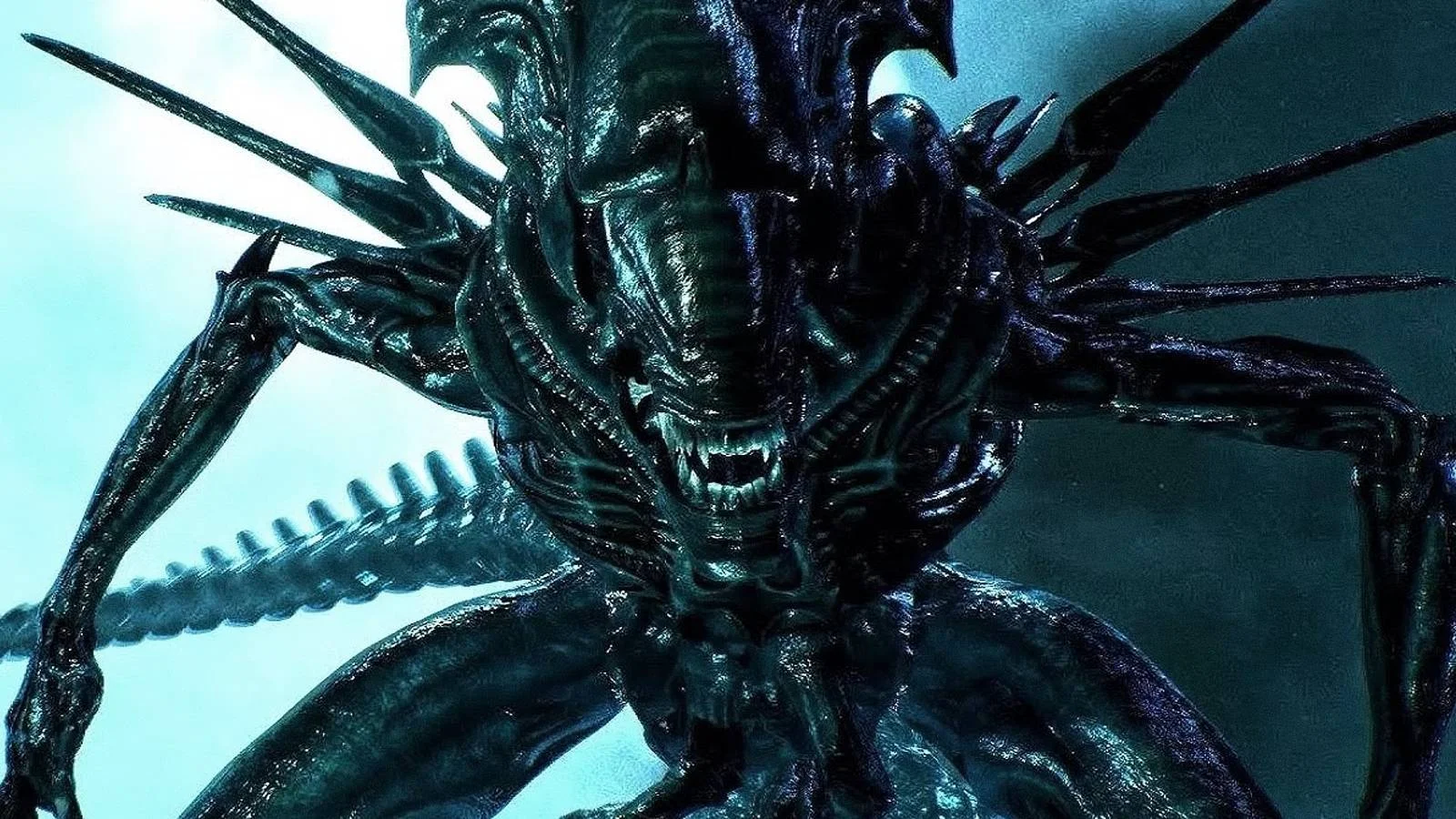
A Rumored New Alien Survival-Horror Game Sounds Like Isolation’s Heir — But Its “Tomb Raider With Xenomorphs” Pitch Is Risky
Rumor First: What’s Being Claimed, and What Isn’t Confirmed
The leak doing the rounds paints a very specific picture of an unannounced Alien game: single-player, survival-horror, set on a decaying ship, built around an adaptive Xenomorph AI, and targeted for a distant 2028 release window. It also claims a toolkit-heavy protagonist—grappling hook, magnetic boots—and a blend of stealth navigation, resource management, puzzles, and tactical combat against both Xenomorphs and human special forces.
None of that is official. Treat it as an idea board that may change radically, or may never materialize. But even as a rumor, the pitch is interesting because it exposes a core question the Alien franchise always faces in games:
Do you sell “helpless dread” like Alien: Isolation, or do you sell “action survival” like Aliens?
This rumored concept sounds like it’s trying to do both—by design, not by accident.
Context: Why Alien: Isolation Still Sets the Bar
Alien: Isolation didn’t just succeed because it was scary. It succeeded because it made fear systemic. The Xenomorph wasn’t a scripted monster; it felt like a learning predator. The ship was a character. Sound was a weapon and a warning. Every tool you gained felt like a small, fragile advantage rather than a power spike.
The problem for any follow-up—official or spiritual—is expectation. Isolation fans don’t simply want “more Alien.” They want a particular flavor of Alien: prolonged tension, cat-and-mouse pacing, and that stomach-drop feeling when the creature is near but not seen.
So when a rumor describes a new game as “Shadow of the Tomb Raider with Xenomorphs,” it’s not automatically good news. It’s a creative direction that could widen the audience… while risking the exact vulnerability that made Isolation special.
The Big Design Challenge: Mobility Tools vs Horror Pacing
A grappling hook and magnetic boots are exciting on paper because they create traversal options and vertical level design—two things that can make a spaceship feel less like a hallway and more like a playground.
But horror isn’t allergic to mobility; it’s allergic to confidence.
Why movement tech can weaken fear
If a player can:
-
instantly disengage vertically,
-
cross gaps quickly,
-
reposition with a hook,
-
bypass locked routes with platforming skill,
…then the Xenomorph stops feeling like a wall and starts feeling like an obstacle. That’s a subtle but dangerous shift. In horror, you want the player thinking, “I might not have a safe route.” In platformers, you want the player thinking, “I can out-execute this.”
The rumored pitch could still work—if the mobility kit isn’t an escape hatch, but a new way to be hunted.
Technical/System-Level Explanation: “Adaptive Xenomorph AI” Only Works If the Game Respects Its Own Rules
“Adaptive AI” is one of those phrases that can mean anything from genuinely reactive systems to a handful of behind-the-scenes modifiers. For an Alien game, it matters, because the creature’s behavior is the entire product.
If the rumored game aims for an Isolation-like predator, a strong implementation usually needs:
1) Dual-layer behavior: “director” + “creature”
The classic approach is a high-level system that decides pressure (where the threat should be) and a creature AI that executes believable movement and investigation. This prevents the Xenomorph from feeling either psychic or stupid.
2) Sensory modeling players can learn
Alien fear works when players can infer rules:
-
noise draws attention,
-
light exposure matters,
-
line-of-sight is lethal,
-
hiding isn’t magic.
Players don’t need full transparency—but they need consistency. If the alien “adapts” in ways that feel random, it becomes frustrating instead of terrifying.
3) Tool counterplay without dominance
The best horror tools create dilemmas: use a gadget now and risk noise later, or conserve it and risk death now. If a grappling hook becomes a universal get-out-of-jail card, the alien becomes a speed bump.
So the rumored blend of stealth, combat, and puzzle-solving isn’t inherently wrong. The question is whether the systems keep the alien as the apex threat rather than one enemy type in a combat sandbox.
Human Enemies: The Double-Edged Sword
The rumor also mentions spec ops units hunting the player. That’s a big tonal choice.
Human enemies can:
-
break monotony,
-
create stealth variety,
-
force different resource decisions,
-
add story context and moral tension.
But they can also break the Alien fantasy. Nothing kills dread faster than turning the mid-game into a third-person shooter where the alien becomes background noise.
The right way to use humans in Alien horror
If human enemies exist, they should intensify the alien—not replace it. The best scenario is triangular tension:
-
you avoid humans because they’re dangerous,
-
but avoiding them puts you in louder, riskier spaces,
-
and the Xenomorph punishes panic.
That’s how you keep the creature central while still adding new threats.
Industry Strategy: Why This Pitch Makes Sense (Even If It’s Unverified)
If a studio is aiming to revive Alien horror in the late 2020s, it has a strategic problem: horror audiences have widened, but they also demand variety. “Just do Isolation again” is a fan request, not a market plan.
A hybrid pitch—stealth + puzzles + movement tools—could be a way to:
-
appeal to action-adventure players,
-
broaden accessibility without abandoning fear,
-
create a campaign structure with peaks and valleys rather than constant hiding.
It’s also a way to justify a big-budget single-player game in a world where many publishers prefer recurring revenue. If you can pitch “cinematic adventure + horror systems,” you can make a case for a wider sales ceiling.
Player Impact: What Fans Will Actually Argue About
If this rumor is even partly accurate, expect the playerbase to split into camps immediately:
Camp 1: “Keep it pure horror”
They’ll want:
-
long tension stretches,
-
minimal direct combat,
-
the alien as the main character.
Camp 2: “Give me agency”
They’ll want:
-
more tools,
-
stronger traversal,
-
more action beats,
-
a protagonist who can fight back sometimes.
The dangerous middle is a game that tries to satisfy both and lands as a compromise: not scary enough for horror fans, not expressive enough for action players. The best-case outcome is a game that switches gears intentionally—using mechanics to control emotion rather than to please everyone at once.
Future Outlook and Risk Analysis: 2028 Is a Long Way for a Rumor to Survive
A rumored 2028 target is the biggest reason not to over-invest emotionally right now. Long timelines mean:
-
design pivots,
-
cast/story changes,
-
feature cuts,
-
and shifting expectations from platform and audience trends.
If there’s truth here, the strongest indicator of success won’t be a name like “Ripley 8” or a celebrity voice approach. It’ll be whether the project can commit to a clear identity early:
Is it survival horror with mobility as tension, or action-adventure with horror seasoning?
Because Alien fans can accept change. What they don’t forgive is losing the franchise’s core feeling: being the prey in a place that does not care if you live.