
Highguard Tries to Reinvent the Hero Shooter as a Raid-Based Siege — But It Faces a Tough Battlefield
A Surprise Final Reveal That Raised Expectations Overnight
Closing a major awards show is typically reserved for games expected to command conversation for months. This year, that spotlight went to Highguard, a fantasy-themed hero shooter created by a studio of former Apex Legends and Titanfall developers. The reveal immediately placed enormous pressure on a brand-new IP, a rarity in a genre struggling to maintain player loyalty.
Instead of anchoring the show with a long-awaited sequel or established franchise, the finale presented an unknown title stepping into a crowded arena. The gamble could pay off — or it could position Highguard as the latest in a long line of shooters that fail to escape the gravitational pull of better-known competitors.
A Veteran Team Attempts to Bend the Genre in a New Direction
Wildlight, the studio behind Highguard, was formed by developers whose previous work helped define modern movement-based shooters. That background matters. Apex and Titanfall succeeded because they reshaped genre expectations without overwhelming newcomers. Highguard’s reveal suggests a similar ambition: take the hero-shooter foundation and tilt it toward something tactical, objective-driven, and siege-focused.
Highguard markets itself not simply as a hero shooter, but as a “raid shooter” — a phrase that signals a shift away from static lane-based objectives toward multi-phase battles with rising intensity. Whether the game truly embodies that ambition or simply frames familiar mechanics with new terminology remains the central question facing its reception.
What Highguard Actually Is: A Hero Shooter Structured as a Siege
A Two-Phase Match Flow Designed to Force Momentum
Highguard’s structure sets it apart from traditional arena shooters. Each match appears to unfold in two major stages:
Phase One: Race for the Shieldbreaker
Teams begin by riding from their base on horseback — a surprising mobility twist — toward a contested zone. The central objective is a powerful relic known as the Shieldbreaker, which grants control over the next phase of the match.
This opening phase is designed to:
-
pull players into combat immediately,
-
reward coordinated aggression,
-
and prevent passive play or slow warmups.
Phase Two: A Tactical Raid on the Enemy Base
Whichever team secures the Shieldbreaker can summon a massive battering ram. The game then shifts into a siege-style push where the attacking team attempts to breach the opponent’s defenses.
This design carries clear raid-like rhythms:
-
controlled advancement,
-
coordinated breaching,
-
layered defensive choke points,
-
and distinct roles for offensive and defensive heroes.
If implemented well, this could create a match flow that feels closer to a compressed cooperative raid than a simple firefight.
A Hero Roster With Familiar Archetypes but New Context
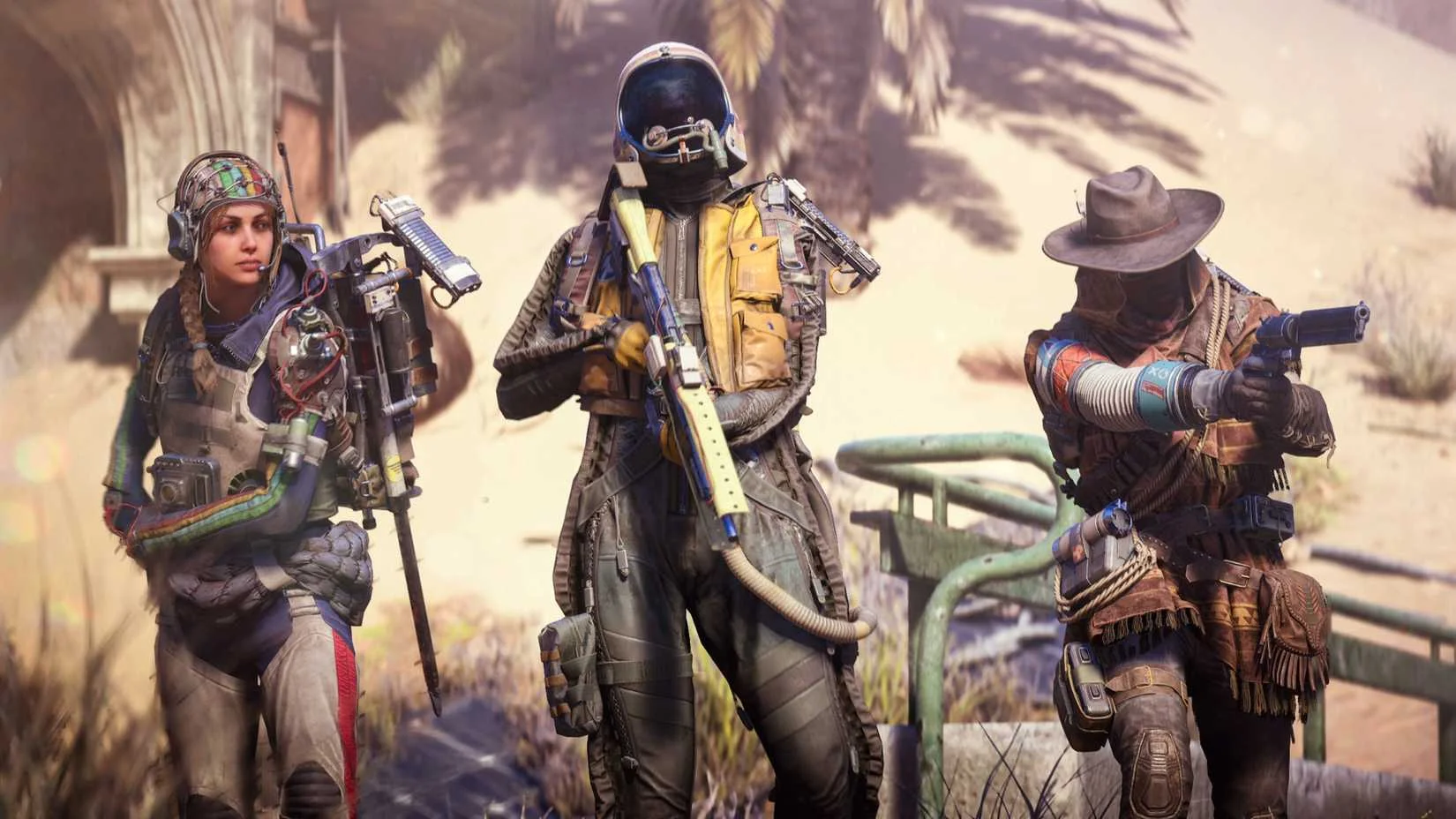
While the heroes shown so far share recognizable traits from Overwatch, Paladins, and similar titles — ice walls, lightning bombardments, familiars, elemental zoning — their utility within a raid structure could give them far more defined niches.
Instead of simply trading cooldowns in mid-lane combat, abilities might directly support:
-
breaching fortifications,
-
escorting the battering ram,
-
creating defensive kill zones,
-
or disrupting enemy formations during the Shieldbreaker contest.
That shift, if executed properly, could provide far more dynamic combat layers than early impressions suggested.
Technical Foundations: Free, Cross-Platform, and Competitive-Ready
Highguard launches as a free-to-play title on PC, PS5, and Xbox platforms, with full cross-play and cross-progression. This positions it to gather critical mass quickly, something hero shooters absolutely require.
Another notable choice is the early emphasis on competitive integrity, including strict anti-cheat infrastructure and modern system-level protections. While such measures can be controversial among PC players, they signal a studio that understands what kills hero shooters fastest: cheating and unbalanced play.
The Genre Problem: A Market Full of Skepticism
Highguard’s potential is undeniable, but so is the uphill climb ahead of it. The hero-shooter landscape has suffered multiple high-profile disappointments, eroding player trust:
-
games canceled within a single year,
-
live-service strategies abandoned mid-season,
-
and sequels that fractured their own communities.
Players are now extremely cautious. First impressions matter more than ever, and Highguard’s debut trailer drew mixed responses, with comparisons to failed competitors overshadowing its unique elements.
The challenge is clear: Highguard must show — quickly — why it plays differently, not just looks different.
Why Players Might Give Highguard a Chance
Despite skepticism, several factors may draw players in:
-
Fast time-to-launch: players won’t wait years; they can try it next month.
-
Fresh match structure: the Shieldbreaker-to-siege flow differentiates the experience immediately.
-
Veteran pedigree: few studios launching a debut title already understand high-stakes shooter balance as well as this team.
-
Low barrier to entry: free-to-play plus cross-play virtually guarantees a healthy opening population.
If the game feels good moment-to-moment and communicates its systems clearly, it may overturn early negativity.
The Crucial Months Ahead: Make or Break
Highguard’s future hinges on three things:
-
A clear identity — not another hero shooter, but a siege-based, raid-inspired hybrid.
-
A fair, transparent business model — players are unforgiving of predatory monetization.
-
A post-launch roadmap — to avoid being written off as another short-lived experiment.
This is the rare case where winning isn’t about outperforming competitors; it’s about escaping comparison altogether by carving out a new subgenre.
Highguard took the final spotlight of the year. In January, the game has to prove it deserved it.