Call of Duty’s Struggle: A Shift in the Balance of Power in 2025
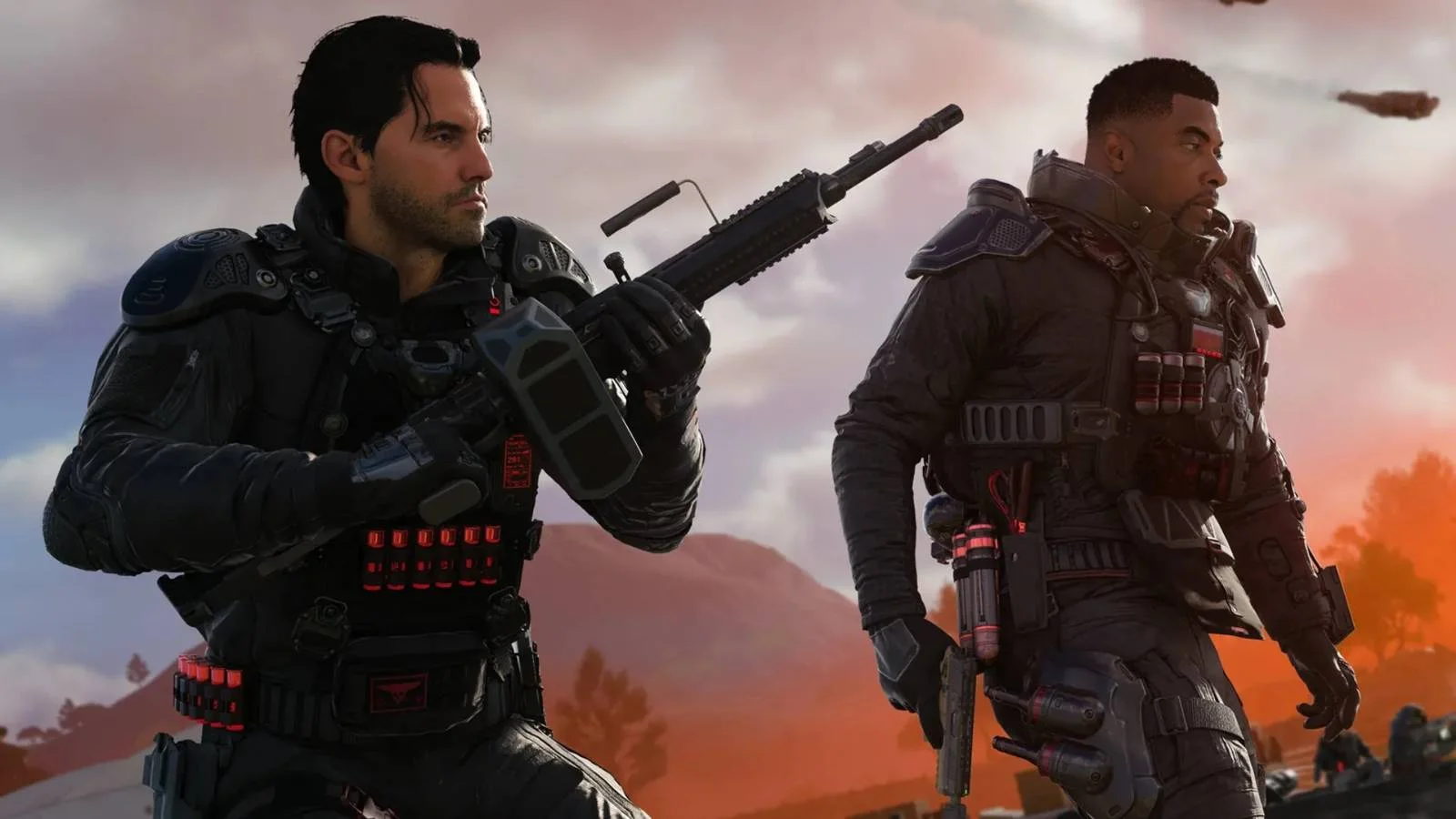
For years, Call of Duty has been a behemoth in the gaming industry. Its annual releases have dominated sales charts, drawn millions of players online, and set the standard for competitive first-person shooters. Yet in 2025, the latest entry, Call of Duty: Black Ops 7, appears to be a far cry from the franchise’s past success, failing to break into the top five best-selling games of the year. What happened to one of gaming’s most iconic franchises?
The State of Call of Duty: A Strong Launch, But Diminishing Returns?
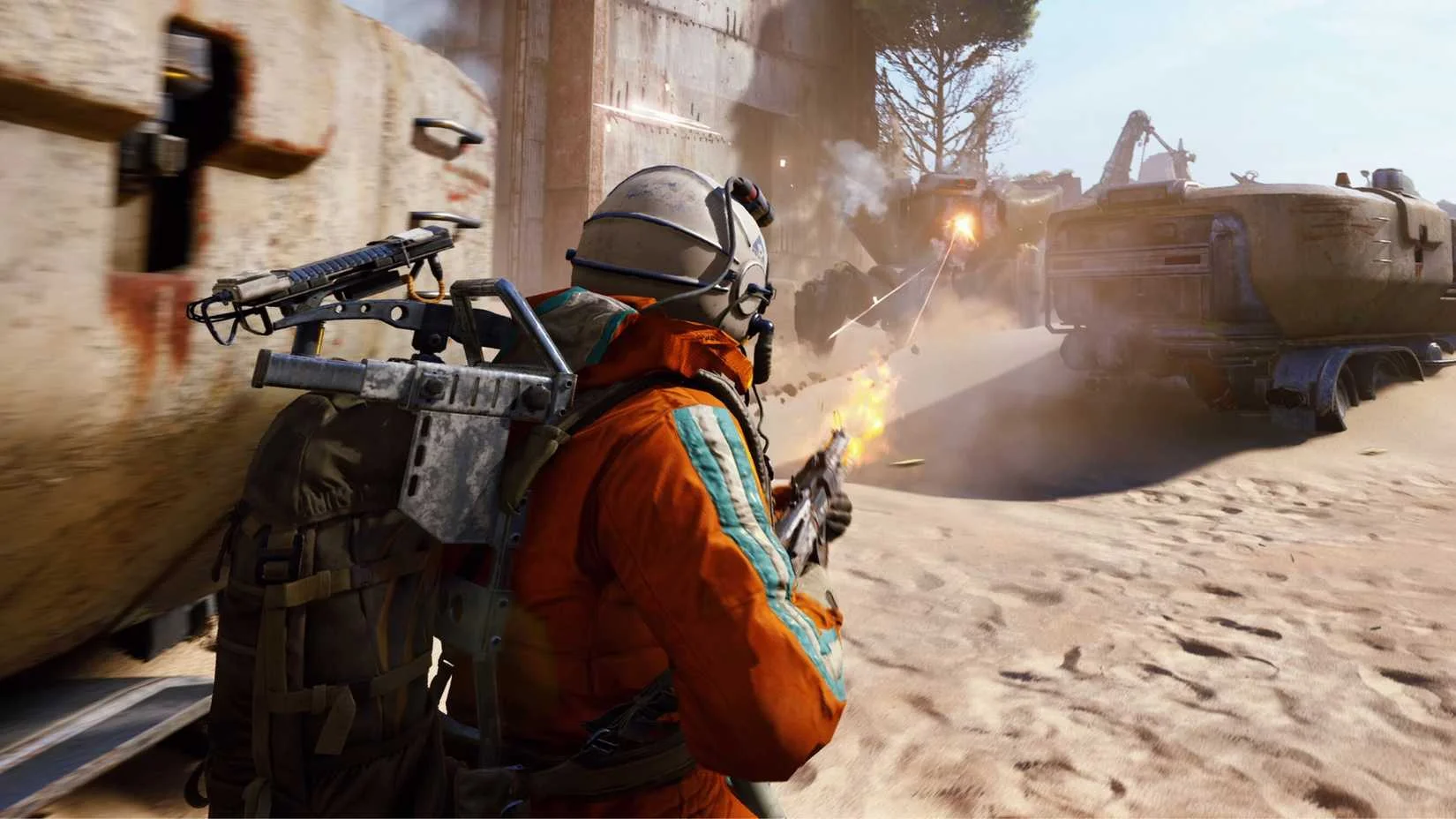
Although Black Ops 7 had a strong launch, claiming the top spot in November 2025’s best-selling games, its overall sales performance leaves much to be desired. The game’s performance over the first few months of its release has been telling: Black Ops 7 was the seventh best-selling game of the year as of November 29, 2025. This places it below strong competitors like Monster Hunter: Wilds, NBA 2K26, and Battlefield 6, all of which have surged ahead of Call of Duty despite the franchise’s usual dominance.
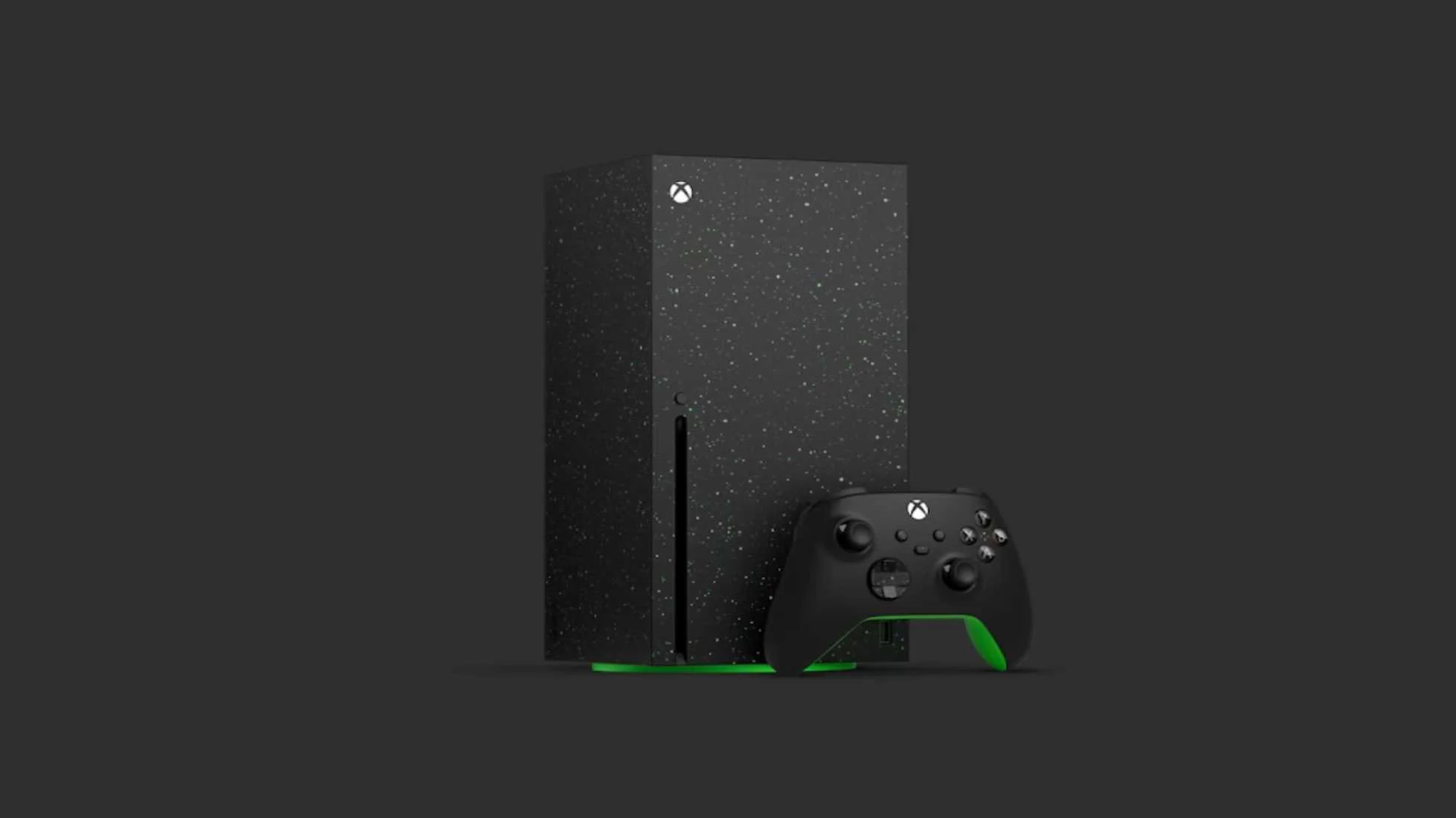
The series’ struggles this year seem to be compounded by a variety of factors, both external and internal. For one, the Call of Duty franchise has become somewhat formulaic in recent years. With Black Ops 6 and Black Ops 7 launching back-to-back, some fans are growing weary of the repetitive nature of these titles. Moreover, Call of Duty’s move to Xbox Game Pass from day one has had a noticeable impact on sales. Although many might argue that this strategy increased accessibility, it has led to fewer direct purchases.
The Shift: A Franchise Facing Growing Competition
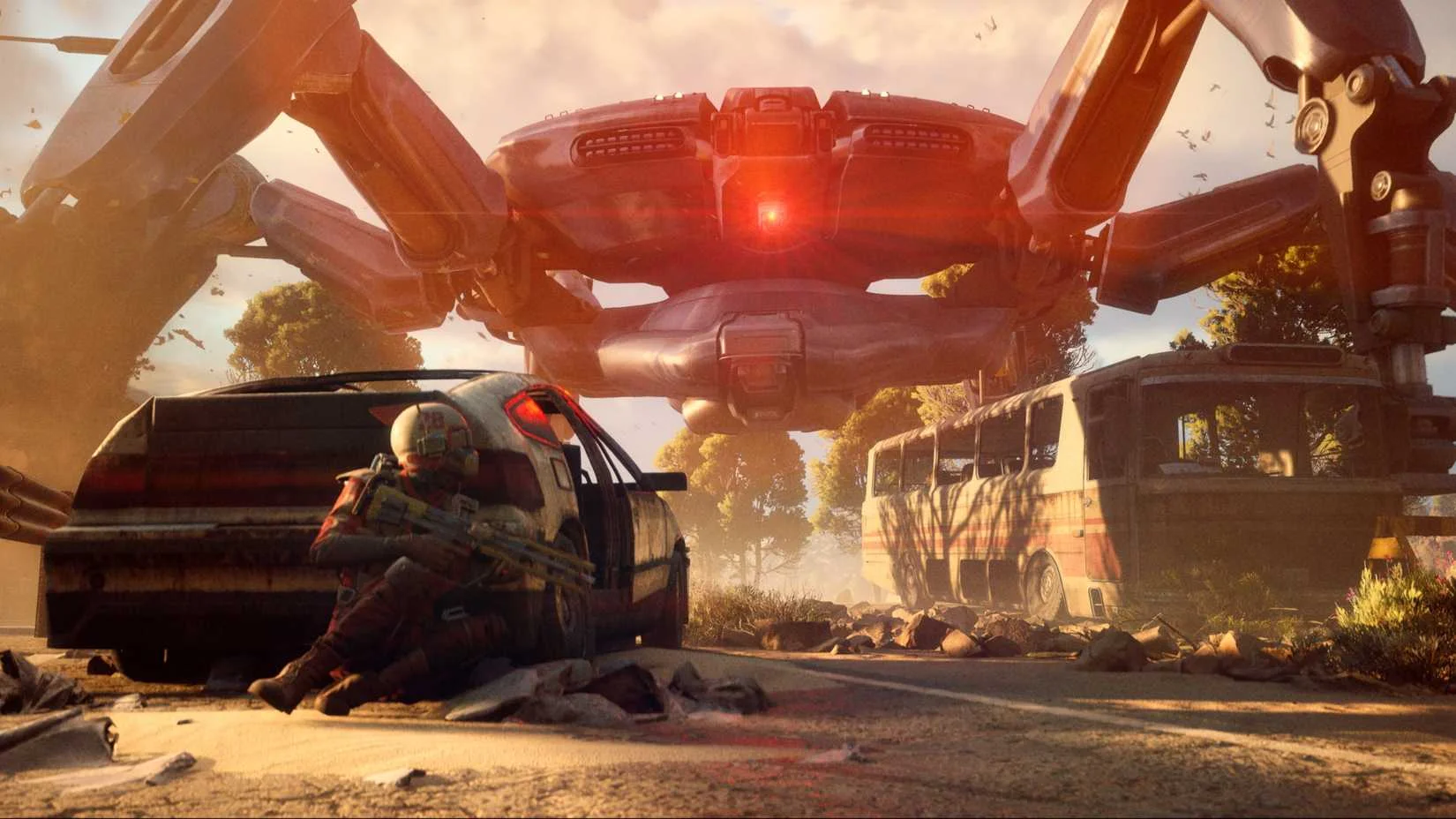
In 2025, the gaming landscape has evolved. The success of Black Ops 7 has been undercut by the rise of other franchises that have captivated players in new and exciting ways. One of the most notable competitors this year has been Battlefield 6, which after a disastrous launch with Battlefield 2042 in 2021, returned with one of the strongest entries in the franchise's history. EA and DICE worked hard to regain player trust, and it seems to have paid off—Battlefield 6 has emerged as the go-to multiplayer shooter of 2025.
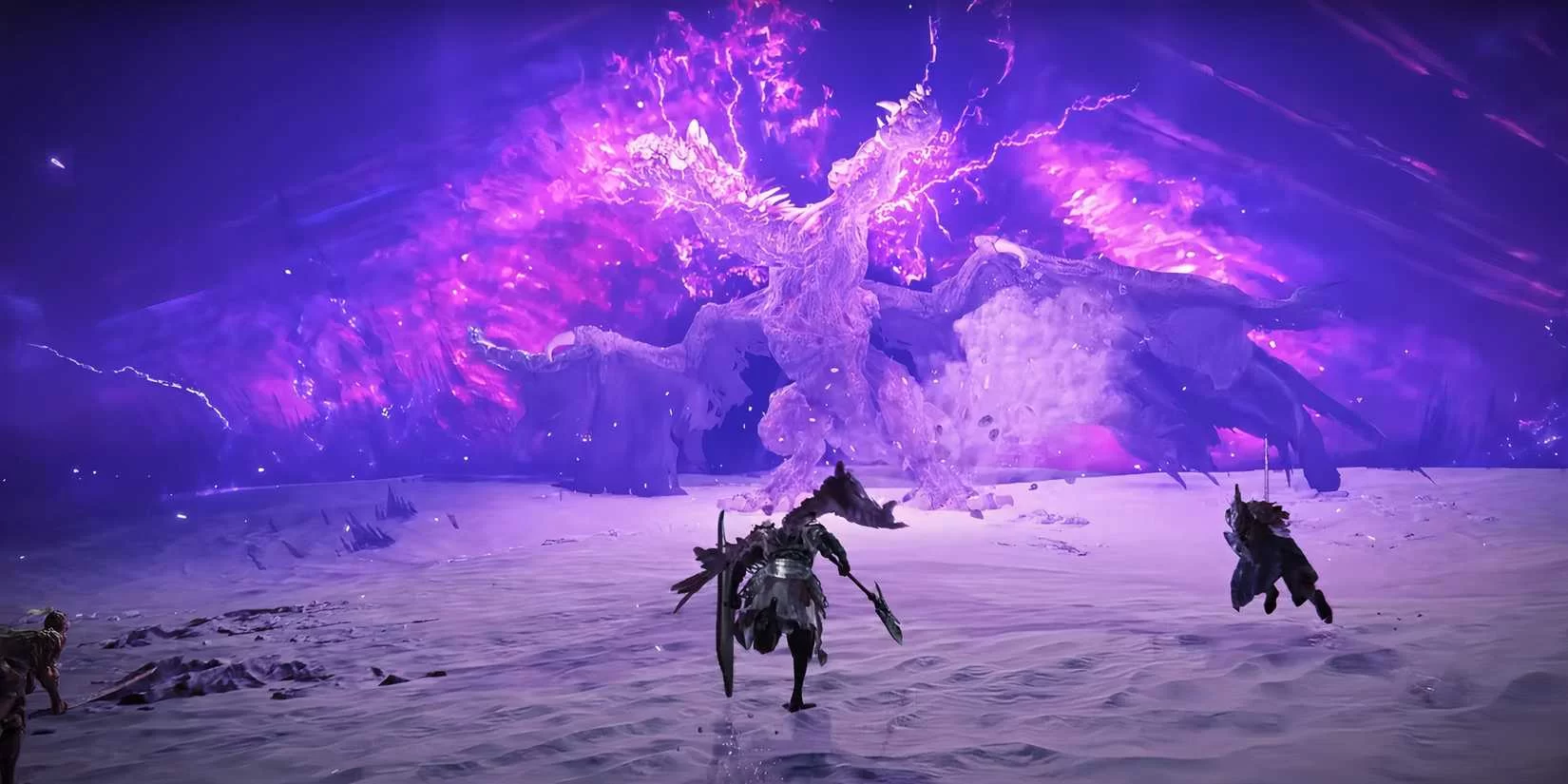
Similarly, Monster Hunter: Wilds has captivated players with its rich gameplay, deep systems, and engaging content. The game’s release has been met with critical acclaim, and its place among the best-selling games of 2025 highlights a shift in the types of games players are prioritizing. Whereas Call of Duty used to dominate the shooter genre, Battlefield 6 and other competitors are showing that gamers are looking for something more innovative and less reliant on yearly updates.
Additionally, the ongoing success of NBA 2K26 shows that sports games, too, are commanding significant attention. With NBA 2K’s established fanbase and annual updates, it has consistently competed for top spots on the sales charts, proving that Call of Duty no longer has an unchallenged claim on the crown.
The Key Issue: Black Ops 7's Unmet Expectations
So, what went wrong with Black Ops 7? While the game’s multiplayer mode received positive feedback, its co-op campaign was the subject of harsh criticism. With a Metacritic score of 66-67 and a shocking user score of just 1.6, Black Ops 7 became one of the worst-reviewed Call of Duty titles in recent years. This has certainly impacted sales, as gamers often look at reviews before making a purchase decision, especially when competing games are offering superior experiences.
Fans were hoping that Treyarch’s commitment to listening to community feedback—such as restoring a more traditional matchmaking system and dialing back unrealistic cosmetics—would elevate the game. Unfortunately, the missteps in the co-op campaign overshadowed these efforts. As the multiplayer-focused franchise moved further away from its traditional single-player roots, Black Ops 7 found itself in a difficult position: not satisfying its core audience while struggling to attract new players.
External Factors: The Role of Xbox Game Pass and Subscription Models
Another potential reason for Black Ops 7's underperformance is the shift in the gaming industry toward subscription-based models. The game’s launch on Xbox Game Pass day one may have been a strategic move to increase accessibility, but it has significantly impacted Black Ops 7’s overall sales figures. By providing the game to subscribers at no additional cost, Activision has made the game readily available without incentivizing players to purchase it outright.
While the move to Game Pass has its advantages, such as a broader player base and increased visibility, it also reduces the game’s potential for full-price purchases. Many gamers who might have bought the title on launch day instead opted for the Game Pass version, contributing to its failure to match the sales of past Call of Duty titles. As other franchises, like Battlefield 6 and Monster Hunter: Wilds, remain traditional in their sales approach, the subscription model could be hurting Call of Duty’s ability to maintain its dominance.
Looking Ahead: What’s Next for Call of Duty?
The Call of Duty franchise is at a crossroads. Black Ops 7’s underwhelming performance may serve as a wake-up call for Activision and Treyarch to reassess their approach. It’s clear that the series can no longer rely solely on the annual release cycle or its established formula to stay on top. While the franchise still enjoys millions of players, its market dominance is no longer a given.
To remain competitive, Activision must innovate. Battlefield 6 and other franchises are pushing boundaries and offering experiences that Call of Duty is increasingly failing to deliver. It’s time for the series to find new ways to captivate its audience and stay relevant in a rapidly evolving market.
Additionally, Activision will need to reconsider its approach to Xbox Game Pass. While the service undoubtedly helps with accessibility, it may also contribute to diminishing returns in terms of direct sales. A more balanced approach that combines both subscription models and incentivizes full-price purchases could be the key to revitalizing Call of Duty.
Conclusion: A New Era for Call of Duty?
In the years since its debut, Call of Duty has been the undisputed titan of the first-person shooter genre. But the challenges of 2025 show that even the most successful franchises aren’t immune to the shifting tides of the gaming industry. Black Ops 7’s underperformance may not signal the end of Call of Duty, but it does indicate that the franchise needs to evolve—both in terms of gameplay and business strategy—if it wants to reclaim its position as the top-selling game year after year.