
The Holiday Stack Problem: Too Many Good Games, Not Enough Days Off
The end of the year is usually when players finally exhale, mute work chats, and dig into the stuff they’ve been “saving for the holidays.” In 2025, that tradition slammed into a very modern problem: there were simply too many big games to reasonably catch up on.
A recent community poll that asked which highly rated 2025 release people planned to play the most over the holidays accidentally turned into a snapshot of that overload.
The most telling result wasn’t which named game won. It was that the top option wasn’t on the list at all.
-
“Other (a 2025 game not on this poll)” – 40% (322 votes)
-
Clair Obscur: Expedition 33 – 20% (160 votes)
-
ARC Raiders – 18% (146 votes)
-
Battlefield 6 – 10% (81 votes)
-
No time to play anything – 5% (42 votes)
-
Hades 2 – 5% (39 votes)
-
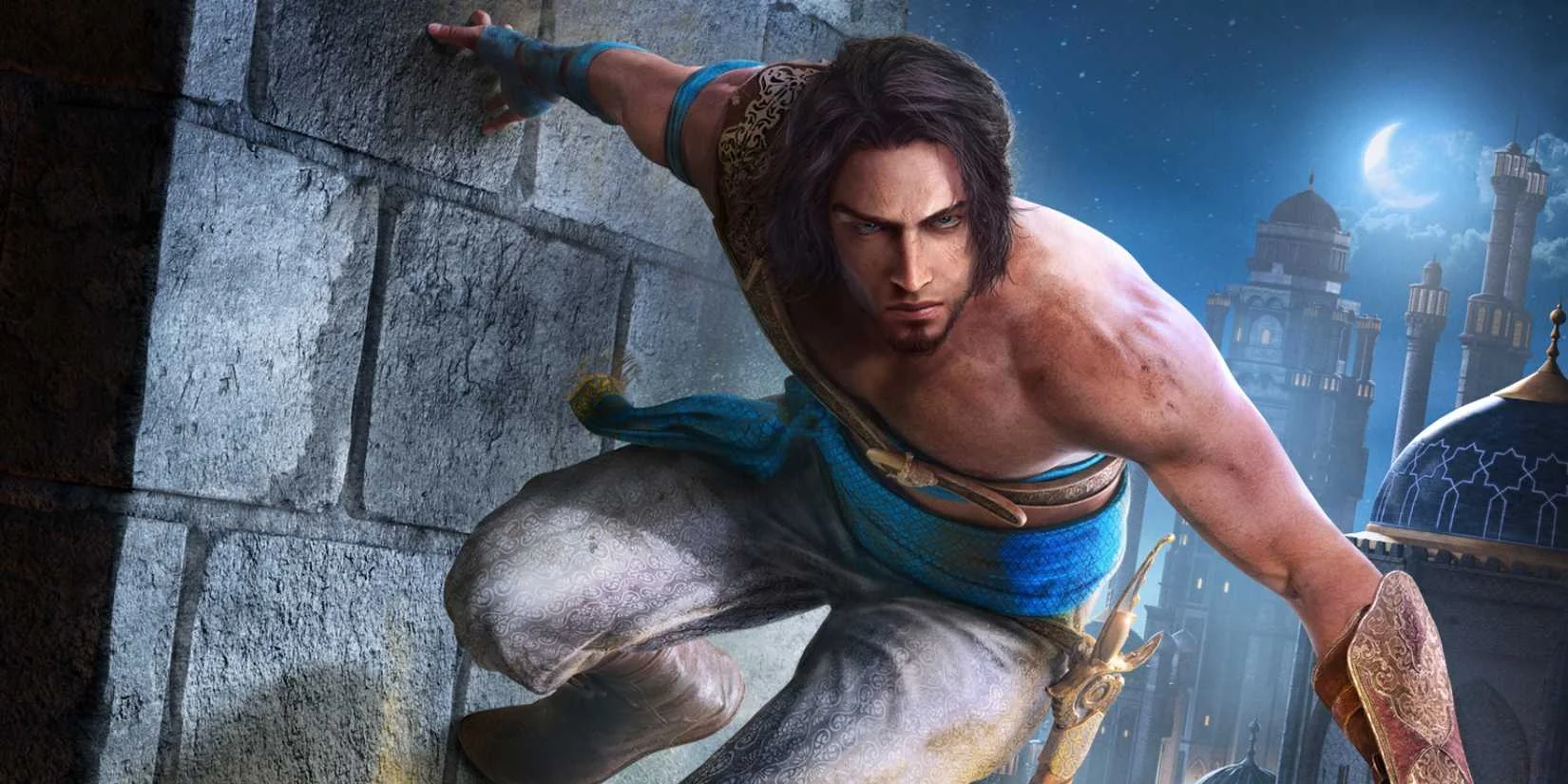
Blue Prince – 3% (22 votes)
That “Other” bucket is doing a lot of heavy lifting – and it says more about the current state of the industry than any single winner could.
“Other” Wins: When Your Holiday Game Isn’t Even on the Poll
Normally, a poll like this is about bragging rights. This time, the headline is that 40% of respondents chose none of the options provided, despite those options being genuinely big names.
The obvious question: what on earth are people playing instead?
The poll itself pointed to likely contenders:
-
Ghost of Yotei
-
Death Stranding 2
-
Kingdom Come: Deliverance 2
-
Dispatch, the breakout superhero narrative hit
All of them are sizeable, time-hungry games that launched into an already crowded year. Add in longer-tail hits from early 2025, plus backlog from 2024, and “Other” effectively becomes shorthand for:
“I have a personal shortlist of big releases and your seven-option poll can’t possibly cover it.”
From a discovery perspective, that’s fascinating. The traditional hierarchy — one or two mega-hits, everything else fighting over scraps — is noticeably weaker here. We’re closer to a fragmented landscape where lots of games are “holiday worthy” at the same time, and attention is the only hard cap.
Clair Obscur vs. ARC Raiders: Awards vs. Session-Based Addiction
Among the named games, Clair Obscur: Expedition 33 sits clearly on top with 20% of the vote. That’s the one you expect to show up: a critically adored RPG that walked away from awards season with armfuls of trophies.
But the more interesting story is how narrowly it edged out ARC Raiders, an extraction shooter that captured 18% of responses.
Clair Obscur: The Prestige Holiday Play
Clair Obscur has “holiday project” written all over it:
-
A full-length RPG with rich art direction and a distinct combat system.
-
A strong narrative hook that rewards long, uninterrupted sessions.
-
Enough emotional heft that some players actively wait for a quieter window to sink into it.
The holidays are when people finally feel safe starting something like this; you’re less likely to drop it for a week halfway through.
ARC Raiders: The “Just One More Run” Trap
ARC Raiders is the opposite kind of holiday game:
-
Short, repeatable sessions.
-
High-tension extraction runs with real stakes.
-
Easy to squeeze in between social obligations, or to binge late at night.
The fact that an extraction shooter is sitting just two percentage points behind a newly anointed game-of-the-year winner says a lot about how session-based design has crept into players’ default rotation. Even during holidays — the last stronghold of long-form RPGs and story games — live, repeatable experiences are right there in the mix.
Battlefield 6, Hades 2, Blue Prince: The Long Tail of Holiday Taste
The rest of the named titles paint a neat little genre map.
Battlefield 6: The Comfort Food Shooter
At 10%, Battlefield 6 sits in a comfortable middle ground. It’s:
-
The year’s best-selling shooter.
-
A known quantity for players who just want familiar large-scale multiplayer chaos.
Holiday play here isn’t about discovery; it’s about sticking with the social game your group already lives in.
Hades 2: Roguelite as “Background Game”
Hades 2 pulling 5% looks modest, but it makes sense given how roguelites are used:
-
Perfect for short bursts between other, heavier titles.
-
Easy to drop into when you don’t have the mental energy for an RPG or a ranked FPS.
It’s probably undercounted by a poll that asked what you’ll play “the most,” because Hades 2 is the type of game you play everywhere, all year, not just as a holiday centerpiece.
Blue Prince: Prestige Indie in a Sea of Giants
Blue Prince, fresh off an Indie Game Awards crown, sits at 3%. On the surface, that looks low. In context, it’s impressive:
-
It’s going up against blockbuster campaigns and heavy marketing budgets.
-
It represents players deliberately carving out time for a smaller, weirder experience.
If you’re an indie developer, that 3% is a sign that award buzz can still translate into real engagement, even in a year smothered in tentpoles.
The Quiet 5%: “No Time to Play This Year”
That 5% who answered “None” may be the most relatable group of all.
A non-trivial slice of respondents simply didn’t have the time or energy to play anything over the holidays, despite an absurdly good slate of options. It’s a small reminder that:
-
Adult players are increasingly time-poor.
-
“I’ll get to it later” is not always realistic, even for highly anticipated releases.
For publishers banking on long tails and multiple DLC drops, that 5% is a warning. The backlog isn’t just a joke; it’s a structural problem.
System-Level View: How Design Influences Holiday Choices
Underneath the poll numbers is a more technical reality: some games are literally built to win these kinds of windows.
Session Structure
-
ARC Raiders / Battlefield 6: fast matchmaking, short loops, clear extrinsic rewards. Ideal for irregular holiday schedules.
-
Clair Obscur / Death Stranding 2 / Kingdom Come: Deliverance 2 (from that “Other” bucket): longer sessions, narrative continuity, heavier emotional investment. Better for players with multi-hour blocks.
Progression Systems
-
Extraction shooters and live-service FPS titles hook into progression FOMO — battle passes, seasonal ladders, timed cosmetics.
-
Prestige RPGs and narrative games rely on story urgency, not external timers, to pull you back in.
In a holiday context, games with lightweight, drop-in loops compete surprisingly well against the “start a big RPG now” fantasy, especially for people whose time off isn’t as generous as it used to be.
What This Poll Suggests About 2026
The closing question in the poll looked ahead: which 2026 release are you most looking forward to? The answers weren’t recorded in detail here, but the context around them matters.
Taken together, the holiday data suggest a few things:
1. Single “Game of the Year” Narratives Are Getting Weaker
Clair Obscur may be a towering critical success, but it’s still just one of many games people feel compelled to play during a short holiday window. Expect 2026 to continue that trend: more “must-play” titles than any normal schedule can handle.
2. Live-Service and Extraction Shooters Aren’t Seasonal Anymore
ARC Raiders holding almost level with a freshly crowned RPG is proof that live-service games are no longer summer or off-season distractions. They’re fixtures — even in the most prime single-player window of the year.
3. Indies Can Still Punch Through, But Timing Matters
Blue Prince grabbing even a small share in a field like this is encouraging. It also hints that:
-
Launch windows and award timing heavily affect whether an indie becomes a “holiday game” or a “sleeper you discover mid-year.”
4. Time Poverty Is Now a Design Constraint
Between the 5% who didn’t play anything and the 40% who split across “Other,” designers and publishers can’t assume players will show up just because critics loved the game. Session flexibility, save-anywhere design, and smart onboarding may matter as much as marketing budgets in determining who gets the coveted “holiday slot” next year.
Holiday gaming used to be about one or two big-box releases and maybe a handheld title for the trip. In 2025, it’s a negotiation between prestige RPGs, extraction shooters, comfort-food FPS lobbies, award-winning indies, and a backlog that never stops growing.
The poll results don’t anoint a single winner so much as confirm the new reality: there is no one “holiday game” anymore — just a crowded calendar and a finite number of days off.