Hogwarts Legacy Goes Free and the Epic Games Store Buckles: A Perfect Storm of Demand and Fragile Infrastructure
The Worst Possible Timing for a Storefront Meltdown
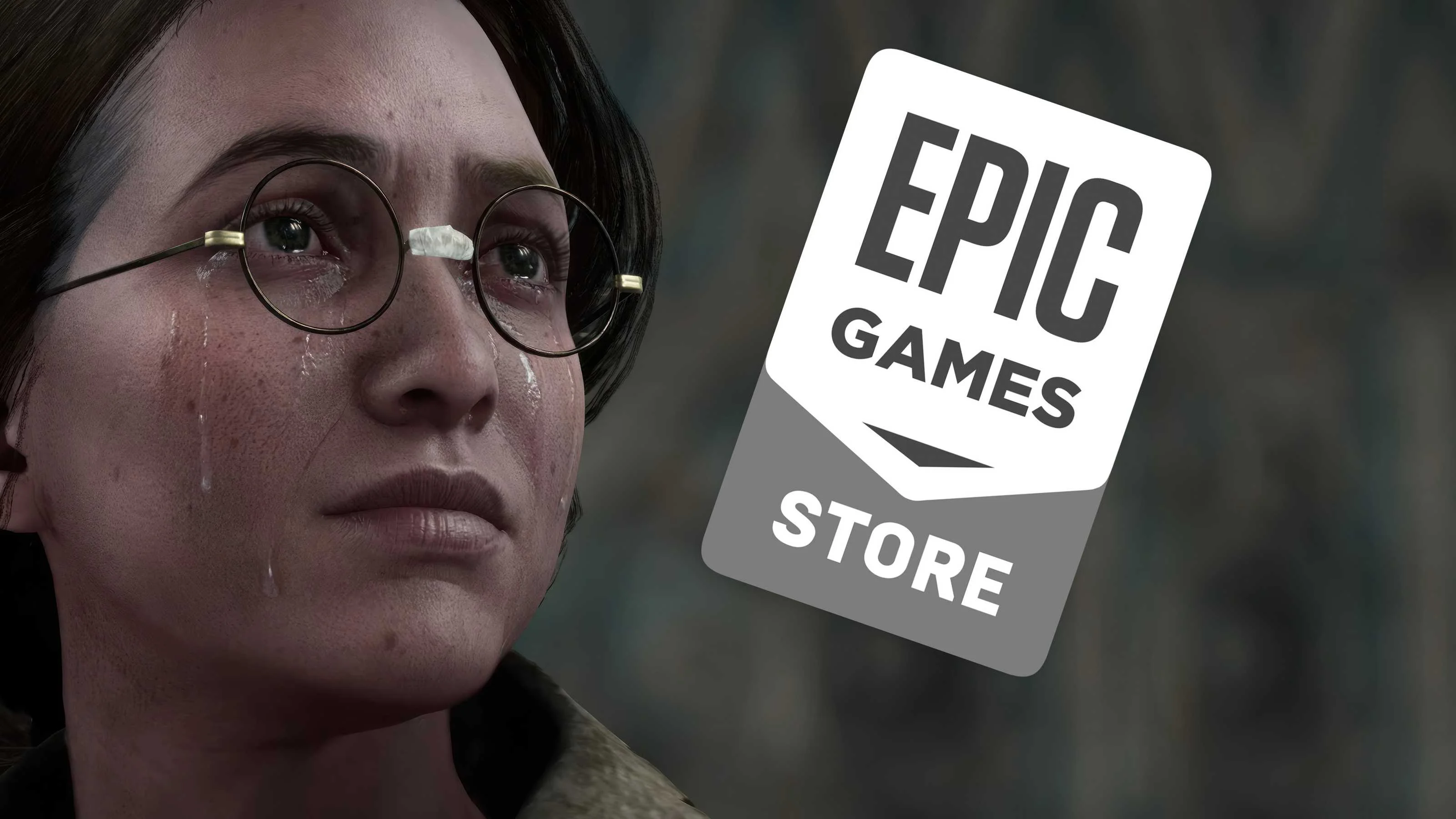
Outages happen. Even the most reliable digital platforms occasionally fall apart under extreme demand. But some outages hit harder than others, and the Epic Games Store going down during its biggest giveaway of the year—Hogwarts Legacy free for the taking—lands squarely in the “catastrophic timing” category.
Every Thursday, Epic gives away at least one free title, a ritual that has helped the platform build a loyal user base since 2018. But this week was different: to coincide with The Game Awards, Epic revealed Hogwarts Legacy as the freebie, instantly transforming a routine weekly drop into a full-scale cultural event.
The result? A rush of PC players so immense that the store collapsed.
For Epic, a company positioning its store as a major rival to Steam, this is not just a technical hiccup. It’s a test of its infrastructure, its reputation, and its ability to handle blockbuster-level traffic during key industry moments.
A Freebie Unlike Any Other: Why Hogwarts Legacy Broke the System
Hogwarts Legacy wasn’t just a successful game—it dominated 2023. It topped global charts, sustained massive player interest, and generated headlines for months. Offering such a high-profile title for free is the type of marketing move that shifts industry momentum.
The moment the announcement aired, millions of players tried to log in simultaneously to claim a game that normally costs a premium price. This wasn’t just typical free-game traffic—it was an avalanche.
Digital storefronts occasionally suffer extreme spikes. Steam has weathered huge surges during winter sales, console networks crash during holiday activations, and even MMO launches regularly cripple servers for days.
What makes Epic’s outage notable is the lack of surprise. The moment “Hogwarts Legacy is free” circulated on social media, every observer could predict what would happen next. The Epic Games Store simply was not built for this level of instantaneous global demand.
The Technical Reality: Why Storefronts Fail Under Heavy Load
Digital distribution seems simple to users—click a button, claim a game, done. But the backend systems are far more fragile when millions of users perform the same action within minutes.
The moment Hogwarts Legacy went free, Epic likely faced simultaneous pressure on:
1. Authentication Servers
Users logging in all at once flood identity systems. If authentication slows, nothing else works.
2. Transaction Processing
Even “free” purchases require transaction calls. These are highly sensitive and prone to overload.
3. Database Write Operations
Every claim must update ownership history in real time. Large surges create bottlenecks.
4. API Coordination Across Regions
Epic’s global network has to sync data rapidly. A stall in one region cascades into others.
5. CDN Stress
Once users claim the game, the download distribution ramps up, introducing a second wave of traffic.
When a storefront isn’t provisioned for peak chaos, the entire chain collapses. And that’s exactly what happened.
The Broader Context: Epic’s Ongoing Battle for Store Relevance
Epic’s strategy has always hinged on disruption. Free weekly games, major exclusives, aggressive revenue sharing—every move has been designed to pull players away from Steam’s ecosystem. And it’s worked, to a point. The platform has matured, expanded, and normalized itself as a second home for PC players.
But outages like this reveal the underlying fragility of Epic’s infrastructure. Steam has undergone similar crises, but fewer of them in recent years. Valve’s decades of backend refinement mean the platform rarely breaks, even under extraordinary load.
Epic, by contrast, still feels vulnerable when demand spikes outside normal patterns. And when a storefront wants to be taken seriously as a long-term industry competitor, these moments matter.
What This Outage Means for Players Right Now
The good news is that Hogwarts Legacy is free until December 18, giving players plenty of time. Those unable to claim it immediately will eventually succeed once traffic stabilizes.
But outages aren’t just about immediate inconvenience. They shape player perception in ways that linger:
-
Some players may feel frustrated enough to disengage temporarily.
-
Others may delay future purchases out of concern for platform reliability.
-
Newcomers attempting to create Epic accounts may abandon the process entirely.
-
Casual users, who only log in during big giveaways, form their entire opinion of the store based on moments like these.
In short: outages during high-visibility events influence long-term loyalty far more than quiet weekday issues.
Why This Matters to PC Gaming as a Whole
Digital storefronts are now essential infrastructure. A platform collapsing during one of its biggest promotional events raises a bigger question:
How well prepared are these systems for a future where digital access is the default?
With physical releases shrinking and global gaming audiences expanding, platforms must prepare for unprecedented traffic spikes—especially when big giveaways, live events, or cross-promotions occur.
Epic’s outage highlights a structural challenge across the industry: demand volatility. When a game goes viral or a giveaway hits, the load is no longer predictable. It’s sudden, explosive, and globally synchronized.
Storefronts must treat these events not as anomalies but as the new normal.
Could Epic Have Prevented This?
Realistically, yes—though at significant cost.
Scaling infrastructure to handle a Hogwarts Legacy freebie requires:
-
Overprovisioning server capacity far beyond typical peaks
-
Redundant transaction pipelines
-
Load-balancing strategies tuned for giveaways
-
Pre-staging data across global nodes
-
Rapid-spike stress testing
Such preparation is expensive, especially for events that only happen a few times per year. Epic may have made a calculated business choice: withstand a temporary outage rather than spend disproportionately on rare surges.
From a corporate standpoint, it makes sense.
From a user standpoint, it feels frustrating.
The Industry Risk: Major Publishers May Rethink Giveaways
Free AAA titles generate massive attention—but also massive technical risk. If a giveaway knocks a platform offline, publishers may hesitate to offer high-demand titles through that system again. Outages disrupt the success metrics, frustrate partners, and damage momentum.
If Epic wants to continue attracting blockbuster giveaway opportunities, proving its infrastructure can withstand the stampede is essential.
The Future Outlook: What Happens After the Outage Clears
Several scenarios are likely:
1. Epic Stabilizes, Claims Surge, and the Incident Fades
Most players eventually get the game, and frustration cools.
2. Epic Quietly Upgrades Infrastructure
The company may expand capacity in the background to prevent a repeat scenario.
3. Future Promos Become Staggered
Epic might begin rolling out freebies in waves rather than all at once.
4. Competitors Benefit Indirectly
Any moment where a rival platform looks weak gives Steam, GOG, and others subtle narrative leverage.
Conclusion: A Teachable Moment for a Platform Still Growing Up
The Epic Games Store outage isn’t a catastrophe, but it is a reminder: capturing attention is easy; handling the consequences of that attention is much harder.
Offering Hogwarts Legacy for free was a bold, brilliant marketing move—and a stress test the platform failed. Whether Epic sees this as a short-term embarrassment or a catalyst for long-term infrastructure investment will determine how it competes in the next era of digital distribution.