A promise that raises the bar for everything Pokémon
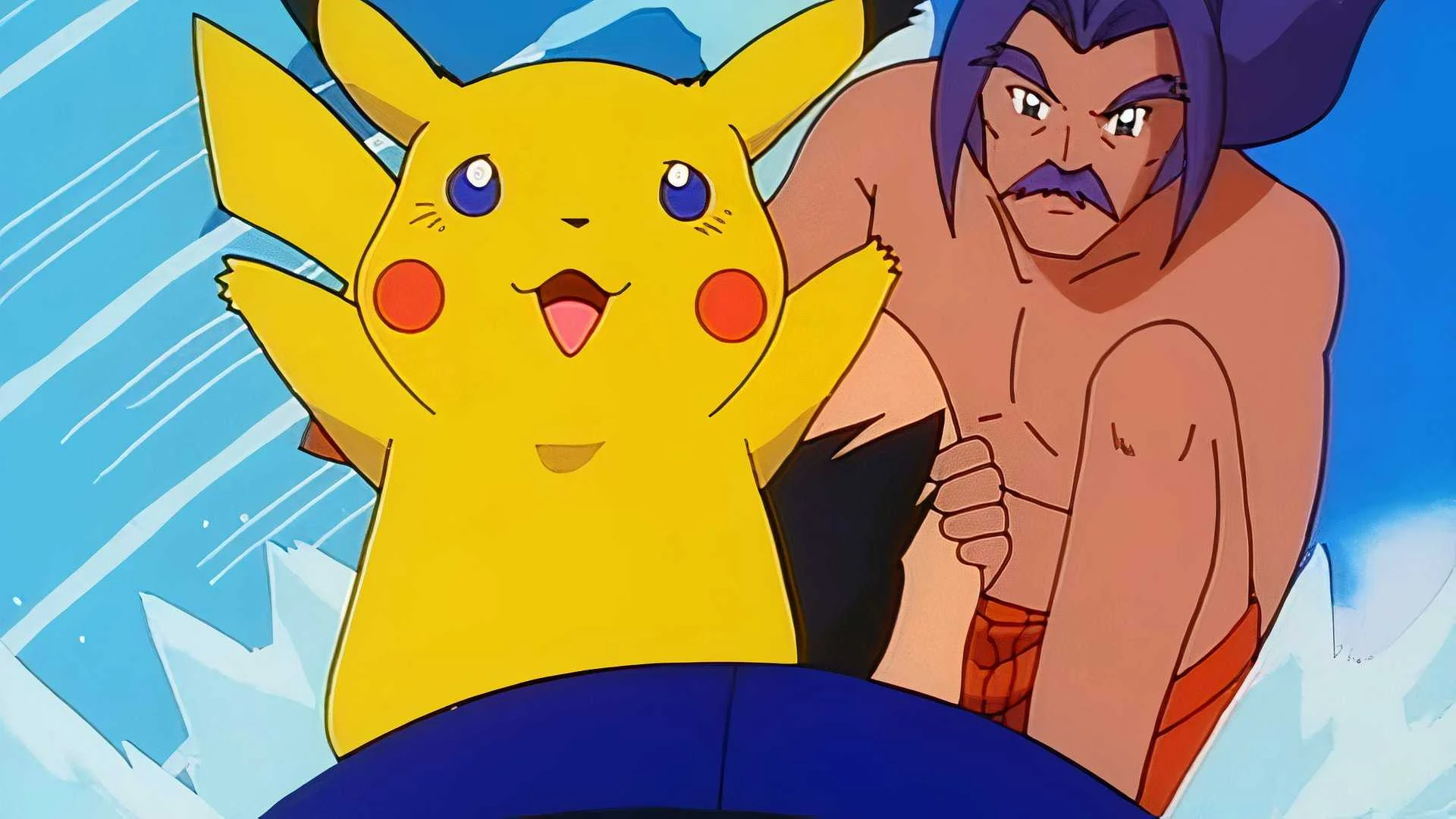
Right before the calendar flipped, the Japanese Pokémon account dropped a short but loaded tease: 2026 – the series’ 30th anniversary – is “going to be the best one yet,” complete with a nostalgic Pikachu morphing into a new anniversary logo. For a franchise that’s already conquered games, anime, merchandise, cards, and mobile, that’s not just a bit of hype. It’s a strategic statement.
On paper, the timing is perfect. The series turns 30 on February 27, 2026, and it’s entering the anniversary year with a battlefield already prepared: a major 2025 release in Pokémon Legends: Z-A, multiple spin-offs dated for 2026, and a mountain of Gen 10 leaks and rumors swirling around the next mainline games.
The question isn’t “Will Pokémon do a lot?”
It’s “How do you escalate a franchise that already does everything at once without breaking it?”
The 30-year context: Pokémon knows how to throw anniversaries
Looking back: 20th and 25th as the benchmark
Pokémon has treated anniversaries as pressure points before:
-
20th anniversary (2016) – Mythical distributions all year, a special TCG set (Generations), and the ramp-up to Sun and Moon plus Pokémon GO exploding into a cultural event.
-
25th anniversary (2021) – The Celebrations TCG set, the announcement of Legends: Arceus and Brilliant Diamond/Shining Pearl, and a huge merchandising and music push.
Those celebrations weren’t just fan service. They were pivots:
-
The 20th pushed Pokémon into the smartphone era.
-
The 25th laid the groundwork for the “Legends” sub-brand and normalized nostalgia-heavy remakes.
The 30th now arrives at a more complex moment: the Switch era is transitioning, technical expectations are higher after the rough launch of Scarlet/Violet, and the franchise is juggling multiple live-service-leaning products.
What we know: the confirmed pillars of 2026
The tease doesn’t name specifics, but several projects are already on the board.
Spin-offs with clear roles
Two titles have confirmed 2026 windows and hint at how The Pokémon Company is segmenting its audience:
-
Pokémon Champions – Positioned as a competitive hub, effectively turning battle-centric play into its own ecosystem. Think Stadium-style focus and a natural home for organized VGC, ranked ladders, and possibly cross-game integration.
-
Pokopia – A cozy, customisation-heavy title that leans into the “hang out with Pokémon” fantasy more than battling. It’s clearly chasing the audience that lives between Animal Crossing, Disney Dreamlight Valley and Pokémon Café ReMix.
Together, they split the brand into distinct lanes:
Hardcore battle vs cozy collection & creativity, while the mainline RPGs handle the traditional journey.
TCG and merchandise: the anniversary engine
The 30th anniversary isn’t just a games play, it’s a merchandise supercycle:
-
A dedicated Pokémon Day 2026 TCG collection has already been revealed, continuing the pattern of big celebration sets that kicked off with Generations and Celebrations in previous jubilees. PokeZentrum+1
-
Branded collabs (clothing, fast food tie-ins, etc.) are already lining up, reinforcing the anniversary logo as something fans will see constantly throughout the year. Wikipedia
That wider ecosystem matters because it affects how aggressive the game release cadence can be. With the TCG and merch pulling huge revenue, the mainline titles don’t have to carry the anniversary alone – but they do have to carry the narrative.
The Gen 10 question: how far can you push in one year?
The biggest unspoken expectation behind “best year yet” is obvious: Generation 10.
Leaks and reports have repeatedly pointed to a dual-title structure widely referred to as Pokémon Wind and Wave (or Winds and Waves), supposedly built around an island region with a huge modern city and a stronger focus on traversal via Rotom-powered vehicles. None of that is officially confirmed, but the pattern fits Game Freak’s long-running cadence: roughly three-year gaps between major generations, with Legends-style projects or DLC filling the space in between.
If The Pokémon Company wants the 30th anniversary to define a new era rather than just celebrate the old, Gen 10 almost has to be part of that story. That creates three likely pillars for 2026:
-
A new mainline generation
-
Ongoing support or DLC for Legends: Z-A
-
Spin-offs and platforms (Champions, Pokopia) that keep people in the ecosystem year-round
The risk? Doing all three at once multiplies the pressure on Game Freak’s development pipeline – especially after the technical criticism aimed at Scarlet/Violet.
Strategy behind the anniversary: ecosystem, not just one big game
Moving from “one pillar” to “Pokémon everywhere”
If you zoom out, the 30th anniversary messaging doesn’t read like “We’ve got one huge game.” It reads like: “We want every type of player engaged at all times.”
-
Competitive players: Champions and VGC structures.
-
Single-player fans: Legends-style games plus Gen 10.
-
Casual/cozy audience: Pokopia and mobile tie-ins.
-
Collectors: TCG, anniversary sets, and collabs.
-
Lapsed nostalgia players: marketing built around Red/Green and the 30-year journey.
From a business perspective, that’s exactly what you’d want from a franchise that size: not a spike, but a sustained plateau of attention across 2026.
Learning from past stumbles
The catch is quality. The last few years have carried a consistent fan message:
-
Legends: Arceus – praised for ideas, questioned on performance.
-
Scarlet/Violet – strong designs and mechanics, infamous technical problems.
-
Legends: Z-A – now expected to prove that Game Freak can ship a technically solid city-scale game.
Going into a 30th anniversary year with that history, “best one yet” is less a tagline and more a self-imposed KPI. The franchise doesn’t just need to be loud; it needs to be polished in a way the Switch era has struggled with.
What this means for players right now
Expect a layered year, not just a single “big drop”
For players, the practical implications of the anniversary tease look something like this:
-
February is likely the tipping point. Pokémon Day 2026 is the obvious moment for a Gen 10 reveal trailer plus more clarity on Champions and Pokopia.
-
If you’re into competitive battling, the smart move is to watch how Champions ties into existing formats: Will teams be importable? Will it feed into official tournaments or sit as its own ecosystem?
-
If you’re more into exploration and story, then the big questions are whether Legends: Z-A continues with robust post-launch content and whether Gen 10 shifts towards a more technically stable engine and refined open-world design.
The nostalgia play
The Pikachu-focused anniversary logo and early TCG products targeting veteran fans are a clear nod to people who grew up on Red/Blue/Yellow and maybe drifted away. If you’re one of those players, 2026 is being framed as the “good year to come home.”
That comes with a subtle responsibility: if The Pokémon Company wants past and present fans in the same tent, it has to balance nostalgia with meaningful evolution. You can’t just slap an old Pikachu sprite on everything and call it a day.
The biggest risk: escalation fatigue
Calling any year “the best one yet” is a high-wire act for a 30-year-old franchise. There are a few obvious danger zones:
-
Overstuffed schedule – Too many overlapping games can cannibalize attention, especially if Gen 10 and Legends-style titles fight for the same months.
-
Half-baked launches – Another buggy flagship release during an anniversary year would do real damage to fan trust.
-
Franchise noise – With anime, TCG, mobile, spin-offs, and mainline games all firing at once, players could end up feeling more exhausted than excited.
On the other hand, if Pokémon paces its reveals smartly – Pokémon Day for Gen 10, mid-year for deeper gameplay showcases, late-year for expansions and anniversary specials – 2026 could function as a soft reset: a clean statement of what Pokémon looks like for the next decade.
A cautious kind of hype
Right now, all we really have is a 19-second tease and a logo. But the way The Pokémon Company chose to frame it – explicitly calling out the 30th and promising the “best year yet” – tells you that internally, 2026 isn’t just another marketing beat.
For fans, the healthiest stance is probably cautious optimism:
-
Expect a major Gen 10 blowout.
-
Expect the TCG and spin-offs to go hard.
-
Expect Pokémon to try to be everywhere, all year.
The real test won’t be how many projects are announced, but whether, thirty years in, Pokémon can finally prove it can grow bigger and ship at the level of polish a modern global franchise demands.