Star Wars: Fate of the Old Republic Won’t Take “Until 2030,” Says Casey Hudson — What That Actually Tells Us About the Game’s Timeline
The “Clarification” That Isn’t a Calendar
When a director steps in to say a game will release “before 2030,” it reads like relief—and for many fans, it is. But it’s also not the same thing as a real release window. It’s closer to a boundary: a way of telling players the project isn’t a decade-long mirage, without committing to a year that can be thrown back at the studio later.
That nuance matters here because Star Wars: Fate of the Old Republic is being framed as a spiritual successor to Knights of the Old Republic. Those words don’t just describe genre. They load the game with a legacy that tends to inflate scope, and scope is what makes timelines fragile.
So if you’re trying to extract actionable information from Hudson’s “before 2030” comment, the right approach isn’t to treat it like an updated release date. It’s to treat it like a signal about internal confidence—and then measure that signal against how big narrative RPGs are actually made.
Context: Why This Reveal Hit So Hard in the First Place
The Old Republic era has always been fertile ground for single-player RPG storytelling because it provides distance from the film timeline. The farther you get from familiar events, the easier it is to let player choice matter without the story constantly snapping back to established canon.
That’s one reason KOTOR endured. It didn’t feel like a tourist ride through known locations; it felt like you belonged there. Fate of the Old Republic is clearly trying to tap into that appetite again: narrative-driven, single-player, choices that matter. Combine that with a director name that carries weight in sci-fi RPG circles, and a surprise announcement becomes a pressure cooker overnight.
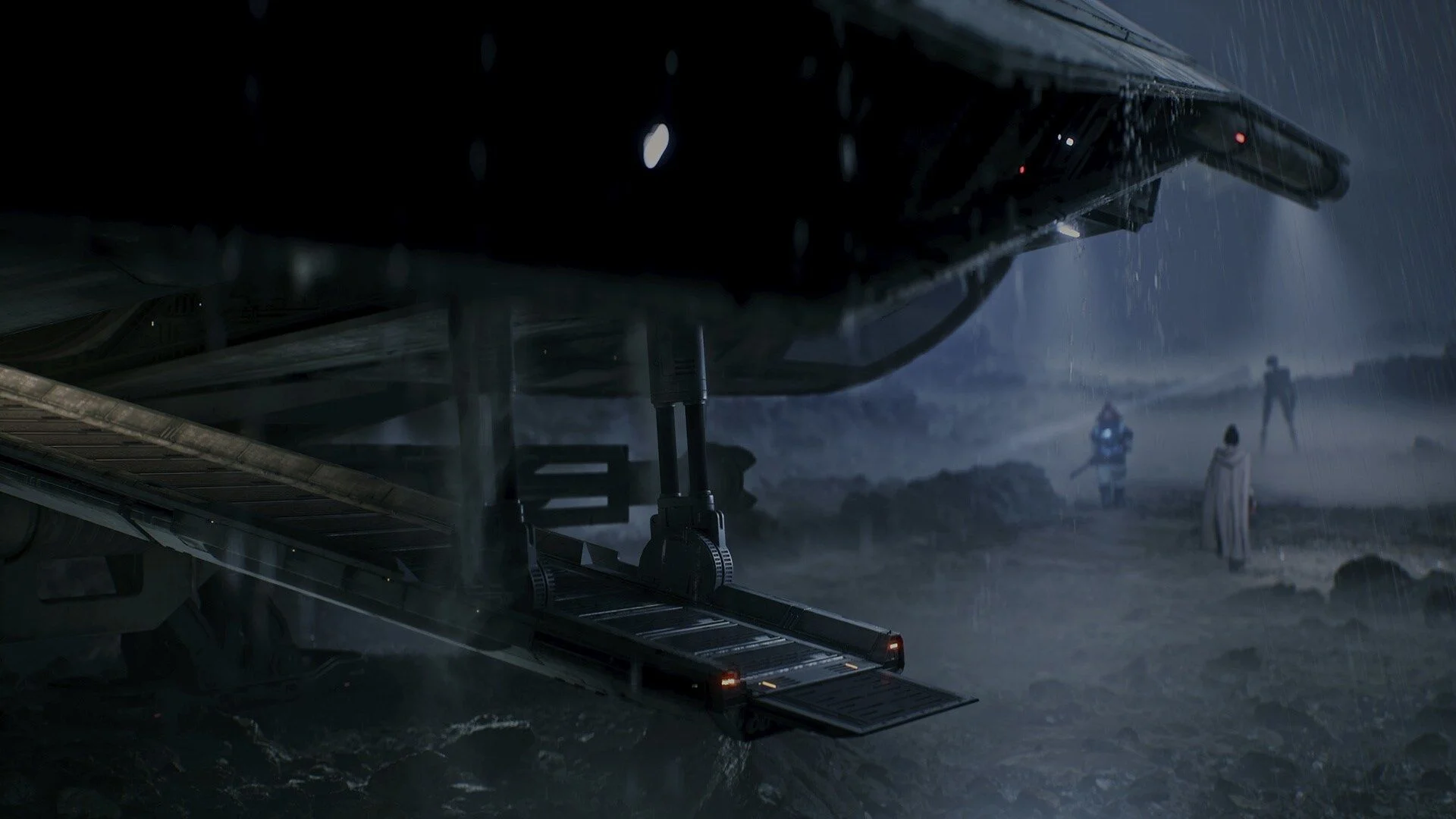
Then the cold water: early development assumptions, a CG-only reveal, and the common industry pattern where awards-show trailers can precede release by many years. Fans swung from “it’s real!” to “we’ll be old!” in the space of a few days.
Hudson’s response is best understood as a corrective to that swing—not a promise that the finish line is suddenly close.
What “Before 2030” Probably Means in Practice
A statement like “before 2030” creates a box with two walls:
-
It discourages the most pessimistic assumptions (that it’s 2030+).
-
It avoids the most dangerous commitment (a specific year).
Within that box, the realistic landing zones are narrower than they look.
H2: Why 2027 is basically off the table
Big single-player action RPGs don’t hide a 2027 launch behind a CG-only reveal unless the project is unusually far along. If the game were targeting 2027, you’d typically expect at least a soft window, a platform list with confidence, or a hint of gameplay identity beyond cinematic mood.
H2: Why 2028 is technically possible but strategically bold
2028 would mean the project is moving with unusually clean momentum—tools stable, production pipeline working, core design pillars locked early. That can happen, but it’s the kind of “best case” that studios avoid promising publicly.
H2: The “most plausible” band: 2029
If you’re forced to translate “before 2030” into a mental model, 2029 is the safest inference. It gives the studio room to build the game they want while still making Hudson’s statement truthful even with moderate turbulence.
And turbulence is not hypothetical. It’s normal.
Technical/System-Level Explanation: Why These RPGs Take So Long Even When Things Go Right
“Single-player narrative action RPG where decisions matter” sounds straightforward to players. It’s not.
H2: Choice systems multiply production and testing
Every meaningful decision creates branching logic and state tracking that has to remain coherent for tens of hours. That means:
-
quests with alternate outcomes,
-
companions reacting in ways that feel earned,
-
factions remembering what you did,
-
late-game payoffs that don’t collapse into a single generic ending.
Even if branches reconverge, the cost is still real: writing, VO, cinematic staging, scripting, and QA to ensure you can’t break the game by making a plausible choice.
H2: Action RPG combat is a second game you have to build
A KOTOR-like legacy suggests party dynamics and tactical decisions, but Fate is being described with action RPG framing. Action means:
-
feel and responsiveness,
-
enemy readability,
-
encounter pacing,
-
progression balance,
-
camera and accessibility tuning.
Combat isn’t something you “finish” early. It’s tuned for years, and every story beat affects it because story changes locations, enemy types, and pacing.
H2: Tools are destiny
The biggest difference between a project that ships in four to five years and one that slips into “who knows” territory is tooling. If the studio’s quest tools, cinematic pipeline, and state-tracking systems aren’t robust, content creation slows to a crawl. That’s how years disappear.
This is why “before 2030” is still a long time away. It’s not pessimism; it’s recognition of the workload implied by the pitch.
Industry Strategy: Why Hudson Would Push Back Now
Directors don’t usually correct long-horizon speculation unless they think it’s actively harmful.
H2: Managing recruitment and morale
If the narrative around your game becomes “it won’t exist until 2030,” that can make hiring harder and team morale weirder. People want to ship. They also want to be believed.
H2: Controlling the fan narrative early
Star Wars fans don’t just watch; they archive. Once a “2030” story takes hold, it becomes the default framing for every future update. Hudson’s statement is a way to stop that framing from calcifying.
H2: Keeping the reveal from turning into backlash
Early announcements can backfire when fans feel “teased.” The fastest way to reduce that feeling is to suggest the wait isn’t that extreme—even if it’s still several years.
Player Impact: The Good and the Bad of This Clarification
For players, Hudson’s statement is a morale boost. It suggests the project is not planned as a far-future placeholder.
But it also creates a risk: fans now have a new expectation to argue over. If 2029 comes and goes, “before 2030” turns from reassurance into a quote that gets screenshotted forever.
A healthier way to interpret the comment is:
-
The game is not next year, not the year after.
-
The team believes it can land this within the decade.
-
But the actual year is still fluid because that’s how big games behave.
Future Outlook and Risk Analysis: What Could Still Derail “Before 2030”
Two forces threaten long projects most:
H2: Scope creep disguised as legacy
“Spiritual successor to KOTOR” can quietly turn into “must include everything fans loved plus modern expectations.” That’s how projects balloon.
H2: The long middle years
The danger period isn’t announcement day. It’s years two through four, when prototypes have to become content at scale. If the studio’s pipeline isn’t efficient, the schedule breaks.
Hudson’s comment suggests confidence—but confidence isn’t immunity. The real sign of where Fate of the Old Republic is headed will be the first time the team shows gameplay systems: how choices appear in moment-to-moment play, what combat actually is, and what “Old Republic” means mechanically—not just aesthetically.
Until then, “before 2030” is best treated as exactly what it is: a boundary line, not a date.