ARC Raiders’ Cold Snap Isn’t Just Snow — It’s a Rule Change That Rewrites Risk, Rotations, and PvP
ARC Raiders is rolling into winter with a deceptively simple promise: snow, cold, and a new map condition called Cold Snap. On the surface it’s seasonal flavor. In an extraction shooter, it’s closer to a rules patch—one that changes what “safe” means, what “time” costs, and how quickly a fair fight turns into a wipe.
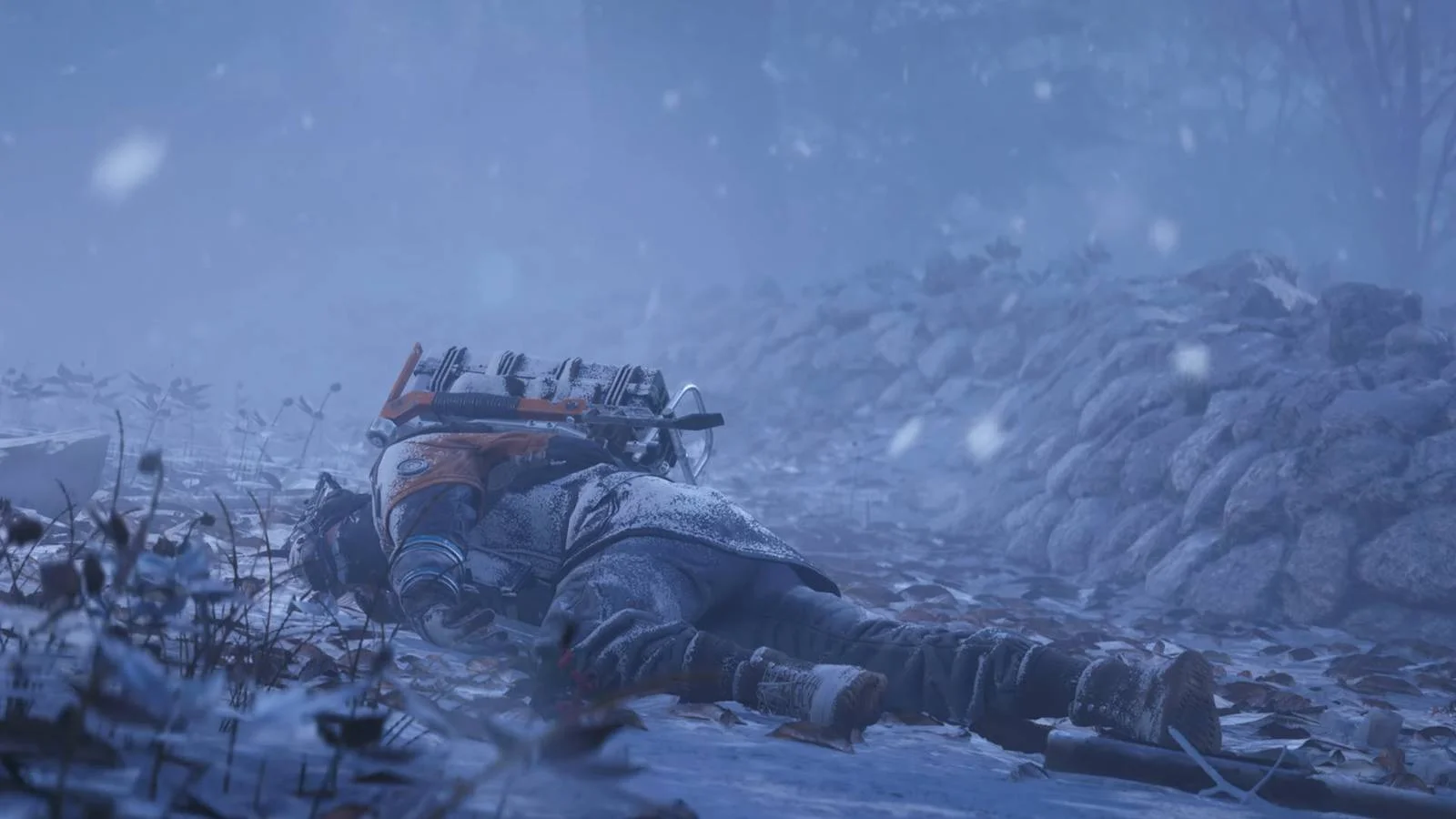
Cold Snap doesn’t just dress maps differently. It inserts a new predator into every run: exposure. And unlike most predators in ARC Raiders, exposure isn’t something you can out-aim or out-smart in a single duel. It’s a clock you carry with you, one that punishes indecision and makes the outdoors itself a resource you’re spending.
That matters because extraction shooters live and die on predictable incentives. Change the incentives and you change the culture: how squads move, where fights happen, how long players linger, and what kinds of players get rewarded.
Background: Why ARC Raiders Is Leaning Into Map Conditions Now
Live-service shooters often overcorrect early: they either flood content and drown balance, or they play it safe and bleed attention. ARC Raiders is taking the third path—add systems that multiply outcomes. Map conditions are a smart version of “more content” because they reuse the same geography while altering the decision-making layer.
This is a tactic we’ve seen in successful long-runners: not constantly building new spaces, but making the same spaces behave differently so players can’t autopilot routes. The difference with Cold Snap is that it isn’t just a “modifier.” It’s an environmental hazard that can kill you quickly if ignored.
That’s a meaningful escalation. When your environment can “cut your Raider down in minutes,” you’re no longer playing a normal loot-and-extract loop. You’re playing a loop with an attrition meter.
What Cold Snap Actually Changes, System by System
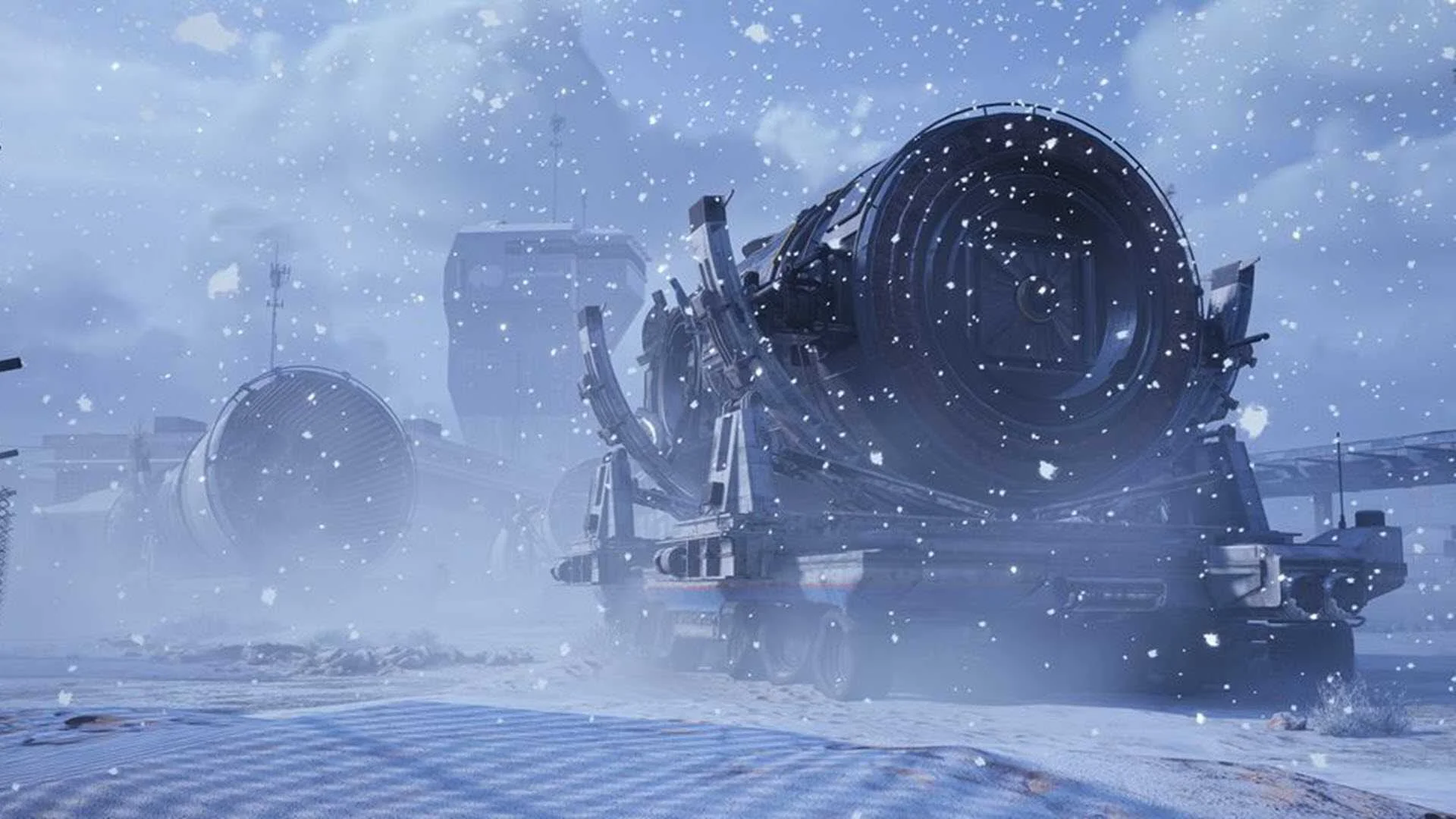
Embark’s description of Cold Snap highlights three levers: reduced visibility, freezing temperatures, and frostbite if you stay outside too long—mitigated by shelter and healing. Each one affects a core pillar of extraction design.
Visibility: Information Becomes Scarcer, Audio Becomes Pricier
Low visibility doesn’t just make it harder to see enemies. It changes who gets to choose fights.
-
Ambushers gain leverage because sightlines shrink.
-
Rotations become riskier because you can’t “read” a field before crossing it.
-
Players lean harder on audio cues, which raises the value of silence—and the danger of making noise.
In normal conditions, a cautious player can often avoid PvP by scouting. In snow, scouting degrades. That pushes the game toward closer engagements and sudden contact, which tends to favor squads that already have good comms and practiced roles.
Frostbite: The Outdoors Becomes a Consumable
Frostbite is the real design statement. It’s a time tax on anything that requires waiting outside: camping angles, holding extracts, stalking a fight from distance, or even playing overly slow for maximum loot.
If the condition is tuned aggressively, it will:
-
Compress decision time (“loot fast or leave”).
-
Punish long overwatch setups.
-
Encourage indoor routing and interior choke points.
If it’s tuned too gently, it becomes flavor—players ignore it and go back to old habits. If it’s tuned too harshly, it becomes the run’s primary enemy and risks feeling like a forced playstyle.
The tightrope is obvious: Cold Snap needs to reshape behavior without turning every match into a sprinting simulator.
Shelter and Healing: “Map Knowledge” Evolves Into “Heat Management”
Cold Snap introduces a new skill expression layer: heat management. Players now need to memorize safe interiors, plan routes between cover, and reserve healing not just for gunfights but for weather recovery.
That shifts the value of items and habits:
-
Healing becomes more strategic, not just reactive.
-
“Outside fights” become expensive fights.
-
Interior control becomes king.
In other words: if you’re thinking like a looter, you’ll start thinking like a survivalist.
Historical Comparison: This Is a Classic Anti-Camping Move — With Higher Stakes
Designers have tried to discourage static play for decades: shrinking circles, UAV pings, periodic reveals, or dynamic events that force motion. Cold Snap is in that lineage, but it fits ARC Raiders better because it’s diegetic. The map isn’t “punishing you because the match needs to end.” The world is punishing you because it’s winter and you’re exposed.
That’s the good version of pressure: it feels like the setting, not the referee.
The risk is that any anti-camping mechanic can accidentally amplify camping—just in different locations. If the outdoors becomes dangerous, players will camp the warm interiors, the entrances, the stairwells, the transitions. Instead of snipers on ridges, you get shotguns in doorways.
Cold Snap doesn’t remove camping. It relocates it. The question is whether it relocates it into healthier fights or into miserable bottlenecks.
Player Impact: Who Wins, Who Loses, and Who Adapts
Cold Snap will reward some behaviors and punish others. Expect a short-term spike in frustration while the community recalibrates.
Solo Players
Solos are disproportionately affected by any condition that narrows safe options. If interiors become crowded, solos lose flexibility—they can’t muscle their way through a stacked building as easily.
But solos also benefit from chaos. Low visibility can allow more slip-outs, more disengages, and more “I never saw them” escapes—if they move decisively.
Aggressive Squads
Teams that already take fights quickly and rotate fast may thrive. Frostbite punishes dithering; coordinated aggression shortens time-to-decision. Indoors, teams with clean entry protocols will dominate.
Patient Looters and Campers
This is the group Cold Snap is implicitly challenging. If your playstyle relies on long outside overwatch or waiting out third parties, frostbite will tax your patience.
Some of them will adapt by camping warm routes instead. Some will log off until the condition rotates out. That’s the real retention risk.
Developer Strategy: Pairing Danger With Free Rewards Is Not an Accident
Cold Snap is harsher gameplay, but it arrives alongside a Winter Event that hands players free rewards via a Raider Deck and a new community-style project (Flickering Flames) with merit redemption.
That’s deliberate balancing of psychology:
-
The map gets harder → the update gives more reasons to log in.
-
The environment punishes you → the event rewards you for participating.
It’s the classic live-service trade: “we’re raising the stakes, but we’re also paying you to engage.”
Future Outlook and Risk Analysis: The Danger Has to Feel Fair
Cold Snap can be a signature moment for ARC Raiders—if it’s fair. In an extraction shooter, “fair” doesn’t mean easy. It means consistent and readable.
Cold Snap will succeed if:
-
Frostbite ramps predictably (players can make informed choices).
-
Shelter opportunities are sufficient (the map doesn’t become a lottery).
-
Visibility reduction doesn’t devolve into random deaths with no counterplay.
It will backfire if:
-
Players feel forced into the same interiors every run.
-
Frostbite stacks with combat damage into unavoidable death spirals.
-
The condition disproportionately punishes certain maps more than others.
The winter theme is the marketing wrapper. The real content is a new risk model. If Embark nails it, Cold Snap becomes the kind of seasonal modifier players talk about for years—the one that made everyone relearn the map.