When a Meme Becomes a Breach: Why the Rainbow Six Siege Hack Matters
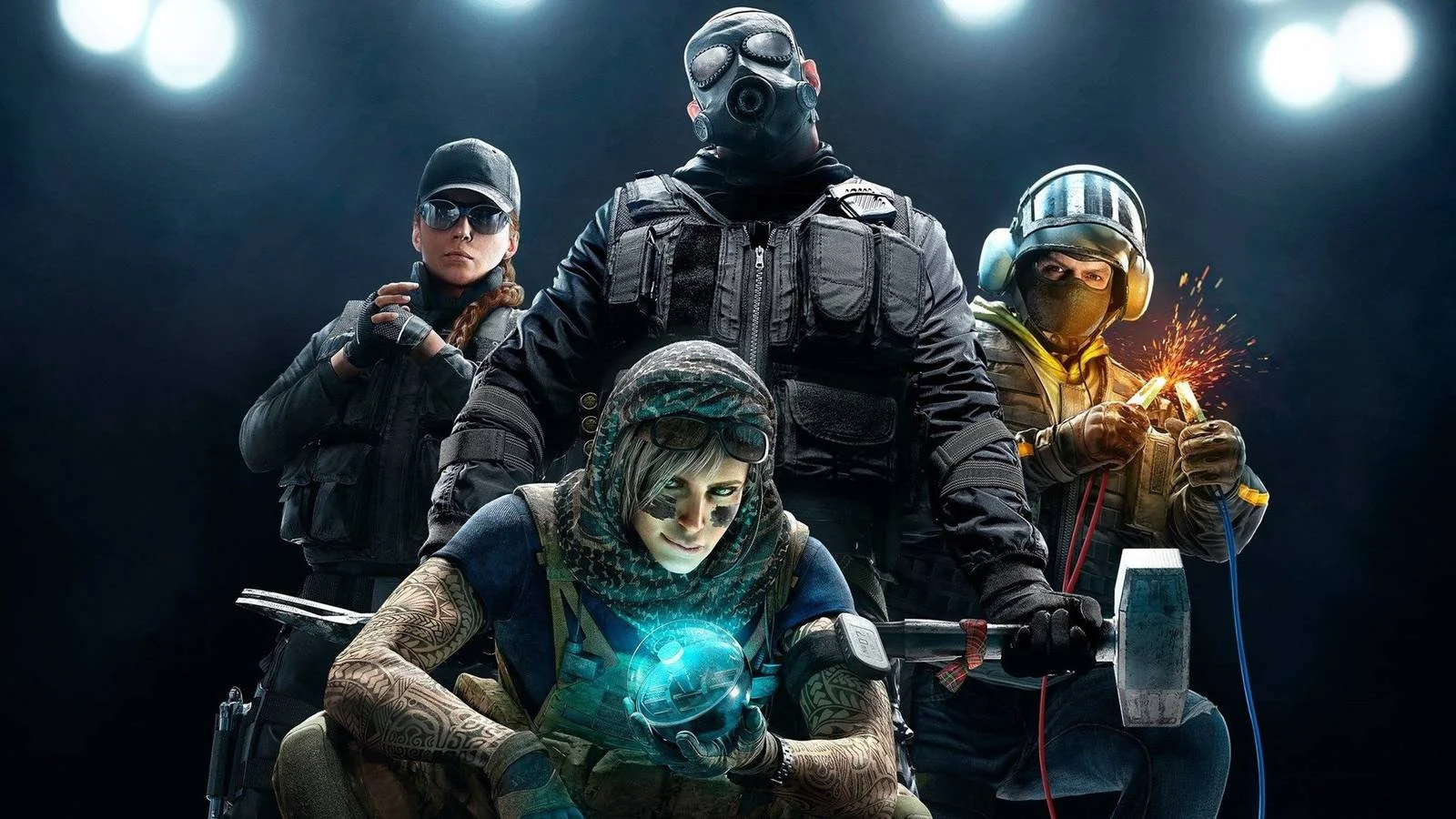
For years, Rainbow Six Siege has been held up as one of the great live-service success stories—an aging multiplayer shooter that refused to fade, continually reinventing itself through seasons, operators, and competitive play. That longevity, however, comes with a cost. And this week, that cost became visible in a way that’s impossible to laugh off.
Players logging into the game were greeted not by a patch or apology, but by an account ban lasting 67 days, flagged under a harassment offense they didn’t commit. The number itself is a well-known meme within the Rainbow Six community, but the implications behind it are anything but funny. This wasn’t moderation gone wrong. It was the visible symptom of a system being tampered with—again.
Coming just days after another intrusion that forced Ubisoft to take servers offline entirely, the incident suggests something more troubling than a one-off exploit. It points to a structural vulnerability in how long-running live-service games are secured, maintained, and patched over time.
Context: A Decade-Old Giant With Modern-Day Exposure
Why Siege Is Still a High-Value Target
Rainbow Six Siege launched in 2015, a lifetime ago in multiplayer terms. Yet it continues to pull tens of thousands of concurrent players daily, fueled by esports visibility, a dedicated ranked community, and constant content drops. That kind of sustained engagement makes it attractive—not just to players, but to attackers.
Every live-service game accumulates complexity over time. Siege has layered systems upon systems: matchmaking, authentication, in-game marketplaces, cross-platform progression, anti-cheat, moderation tools, and third-party integrations. Each new layer expands the attack surface.
In isolation, hacks aren’t unusual for games of this scale. What’s unusual here is frequency. Two major compromises within a single week is a red flag, especially when the first incident—marketplace manipulation and developer-only cosmetics appearing in live servers—should have triggered a full forensic lockdown.
The 67-Day Ban: What It Tells Us Technically
Why This Wasn’t a “Normal” Bug
False bans do happen. Automated moderation systems misfire. But this incident has several characteristics that strongly suggest direct interference with backend systems:
-
Uniform ban length applied across unrelated accounts
-
Incorrect offense classification (harassment without reports or chat triggers)
-
A culturally specific number rather than a standard moderation duration
In other words, this wasn’t an algorithm making mistakes at scale. It looks like someone accessed or manipulated ban parameters directly, either through compromised admin tools or exposed endpoints.
The Bigger Technical Problem: Trust Boundaries
Live-service games rely on strict separation between:
-
Player-facing systems
-
Moderation and enforcement tools
-
Administrative controls
Once those boundaries blur—even briefly—the entire ecosystem becomes unstable. A hacker doesn’t need to steal personal data to cause chaos. Temporarily locking players out, disrupting progression, or invalidating trust in enforcement is enough to damage a community.
What makes this especially concerning is that authentication, matchmaking, and in-game store services were all affected simultaneously, suggesting the breach wasn’t limited to a single feature.
Ubisoft’s Strategy Under Pressure
Ubisoft has spent the past few years repositioning itself around long-term live-service revenue. Siege is a pillar of that strategy—a proof point that ongoing monetization can work if a game is supported long enough.
But live-service success creates an uncomfortable paradox:
-
The longer a game runs, the more valuable it becomes
-
The longer a game runs, the harder it is to fully secure
At some point, incremental fixes stop being enough. Security debt accumulates the same way technical debt does, and eventually it demands a costly, disruptive overhaul.
Ubisoft’s quick rollback of illicit marketplace credits during the first incident—without punishing players—was the right call from a community-relations standpoint. But speed is not the same as closure. Restoring servers without fully sealing the breach may have allowed a second wave to hit.
If that’s the case, the problem isn’t response time. It’s depth of response.
Player and Community Impact: Trust Is the Real Casualty
Lost Time, Lost Events, Lost Confidence
For affected players, a temporary ban—even if later reversed—isn’t harmless. Siege runs on timed events, daily challenges, ranked seasons, and limited-availability cosmetics. Being locked out for days can mean:
-
Missed progression rewards
-
Lost competitive rank momentum
-
Inability to participate in crossover events
Even if Ubisoft restores access, the opportunity cost is real.
More damaging, however, is the erosion of trust. Players need to believe that:
-
Enforcement systems are fair
-
Bans are accurate
-
Time invested in the game is safe
Once that belief cracks, engagement drops quietly. People log in less. They stop buying cosmetics. They hesitate before committing to another season pass.
For a live-service game, that’s the slowest—and most dangerous—kind of decline.
Historical Perspective: This Isn’t an Isolated Problem
Siege isn’t the first long-running multiplayer title to run into this wall. Other decade-old games have faced similar moments where aging infrastructure collided with modern threat landscapes.
The pattern is consistent:
-
A game survives longer than originally planned
-
Systems built for a smaller scale become mission-critical
-
Security assumptions made years earlier no longer hold
-
A high-profile incident forces a reckoning
The difference is how studios respond afterward. Some double down on infrastructure investment. Others quietly scale back support while focusing on the next iteration.
Ubisoft now has to decide which path Siege is on.
What Happens Next: Risks and Scenarios
Short-Term Expectations
In the immediate future, the most likely outcomes are:
-
Reversal of erroneous bans
-
Temporary server shutdowns for investigation
-
Public reassurance once systems stabilize
That will calm the surface. It won’t solve the underlying issue.
Medium-Term Risk: Normalization of Instability
If players begin to see outages, rollbacks, or false bans as “just part of Siege,” the game enters a dangerous phase where loyalty turns into resignation. That’s often the prelude to population decline, even if numbers remain stable on paper for a while.
Long-Term Question: How Long Can Siege Keep Going?
Rainbow Six Siege is approaching a crossroads. It can either:
-
Receive a deep, expensive backend overhaul to secure another multi-year run
-
Or be gradually sunsetted as Ubisoft shifts focus to future projects
Neither option is easy. Both require clear communication and decisive action.
The Real Story Behind the Meme
The 67-day ban wave will be joked about. Screenshots will circulate. Memes will outlive the incident itself.
But beneath the humor is a serious warning: live-service games don’t just age visually or mechanically. They age structurally. And when that structure starts to fail, players feel it immediately.
Rainbow Six Siege isn’t dying. But it is reminding everyone—players and publishers alike—that longevity is not free. It has to be earned again, year after year, not just with new operators and skins, but with invisible work that players only notice when it’s missing.
Right now, Siege is missing that invisibility. And that’s a problem Ubisoft can’t afford to ignore.