ARC Raiders Trials Are Quietly Redefining How Extraction Shooters Keep Players Coming Back
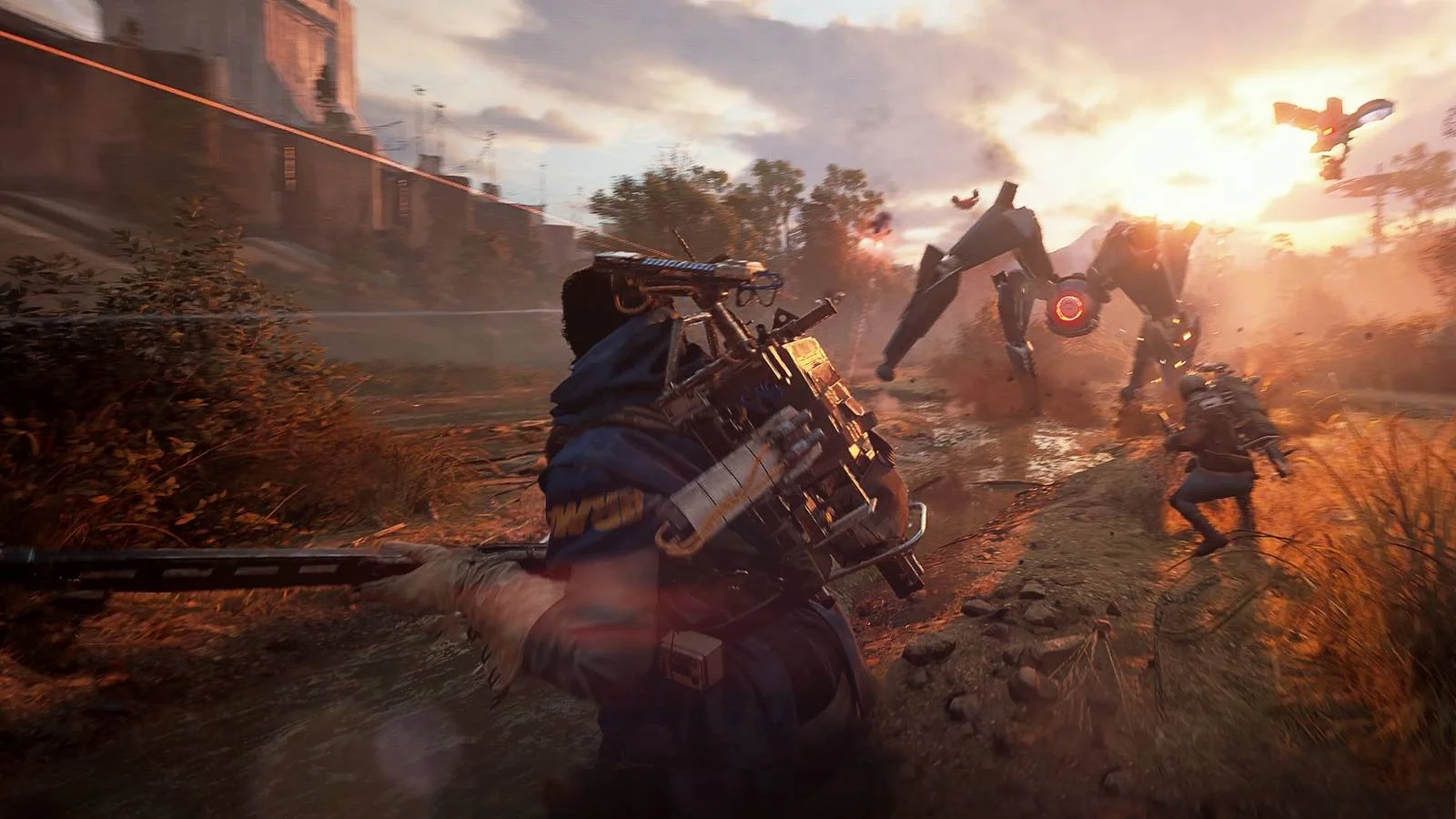
ARC Raiders has entered the new year with another rotation of Trials, the time-limited challenges that sit alongside expeditions, seasonal resets, and gear progression. On paper they look familiar: complete objectives, earn stars, claim loot. In practice they signal something more ambitious than a checklist.
Trials reveal how Embark is shaping ARC Raiders into a long-term live service ecosystem rather than just another extraction shooter. The structure of these rotating tasks shows where the studio believes player motivation comes from, how it plans to pace content without burning through development resources, and how it intends to keep a community engaged after the honeymoon period.
This is a story less about snowballs or specific weekly tasks and more about the underlying design philosophy they illuminate.
The Context Extraction Shooters Have Grown Up Fast
Over the last five years extraction shooters have become one of the most competitive corners of multiplayer gaming. Their core loop is elegant and punishing:
-
drop into a contested zone
-
gather loot under pressure
-
extract with rewards or lose everything
But that loop has an inherent problem. Once players master the systems and build strong inventories, risk diminishes, tension drops, and engagement curves flatten. Developers now need meta structures to keep the economy volatile and players emotionally invested.
Different studios have tried different answers:
-
periodic wipes in hardcore survival shooters
-
rotating events in session based shooters
-
Battle Passes layered atop extraction systems
Embark has taken a hybrid path with ARC Raiders: seasonal progression resets combined with weekly Trials rotations. That pairing is the real design experiment unfolding right now.
How Trials Really Work Beneath the Surface
Trials are framed as simple weekly challenges. The mechanics are public. The intent behind them is less obvious but more interesting.
H3 What Trials Actually Do at a System Level
They simultaneously:
-
guide players toward specific locations and activities
-
redistribute population across the map
-
test underused tools or mechanics
-
introduce soft difficulty spikes without rewriting enemy AI
-
create shared social objectives week to week
-
stabilize the in game economy through controlled reward drops
That makes Trials a behavioral steering wheel as much as a mission list.
Embark does not need to constantly ship new zones to change how ARC Raiders feels. By adjusting objectives – damage targets, interact with certain world objects, engage specific threats – the studio reframes existing content into new patterns of risk and reward.
Even playful twists such as seasonal map modifiers or unconventional objectives have a purpose. They jolt players out of solved strategies and force them to relearn familiar spaces under new constraints, extending the shelf life of the world without rewriting it from scratch.
Why Embark Leans So Heavily on Seasonal Resets
End of year expeditions and progression resets got mixed reactions, but strategically they solve two classic extraction shooter problems:
-
Power creep in loot based systems
-
Late entry anxiety for new players
A permanent economy eventually stratifies communities into the rich and the poor. Resets flatten the playing field periodically, allowing newcomers to jump in without feeling permanently behind and giving veterans a renewed sense of stakes.
Trials fit directly into that framework. After a reset, players have strong emotional motivation:
-
rediscover optimal builds
-
chase early season advantages
-
race against others in a fresh landscape
Trials accelerate that motivation with weekly nudges, turning the season into chapters rather than one long grind.
What This Means for the Community Day to Day
Player reaction to Trials has followed a familiar arc in live service games: enthusiasm, fatigue, adaptation, then ownership.
H3 The upside for players
-
consistent reasons to return each week
-
meaningful loot rewards tied to time investment
-
shared social objectives that fuel discussion and content creation
-
opportunities to experiment with gear they might otherwise ignore
The unexpected benefit is psychological. Extraction shooters are stressful. Trials provide structured purpose, breaking the endless risk loop into digestible goals. That matters especially to casual players who do not live in the game every evening.
H3 The friction points
There are also real pain points the community continues to voice:
-
repetition when objectives echo too closely week to week
-
pressure to log in before rewards rotate out
-
challenge designs that rely on busywork rather than mastery
-
fear that developer time spent tuning Trials replaces new content
ARC Raiders currently feels like a balancing act between retention design and creative novelty. Embark has avoided the worst trap of live service design so far — chores disguised as content — but the line is thin and visible.
Historical Comparison The Industry Has Seen This Before
Trials are not invented in a vacuum. They echo lessons learned from earlier live service giants.
-
seasonal triumphs and bounties in looter shooters
-
weekly contracts in tactical shooters
-
rotating events in hero based multiplayer games
Where ARC Raiders differs is the extraction layer of loss. Failing a Trial objective in this game can mean losing your hard earned gear, not just missing a bonus. That gives the same checklist mechanics a sharper edge.
Embark seems intent on proving that extraction shooters can support long term seasonal narrative arcs and meta goals just as comfortably as traditional MMOs or looter shooters. Trials are the bridge.
Inside the Design Logic Rewards and Risk Engineering
Trials are tuned around star thresholds and tiered loot rewards, but the important component is how they manipulate player risk tolerance.
-
lower star goals encourage casual engagement
-
higher tiers push players into greed driven mistakes
-
randomized reward tiers prevent predictable optimization
This produces a dynamic where:
players constantly judge whether another attempt is worth the danger of losing everything
It is not just reward delivery. It is risk engineering. When paired with occasionally quirky objectives or environmental modifiers, it refreshes tension without resorting to raw difficulty spikes.
The weekly cadence also gives Embark incredible tuning leverage. If an objective underperforms or overfrustrates, it disappears in seven days without a massive patch cycle. That agility is a hallmark of confident live service design.
The Player Impact Beyond Checklists
The real effect of Trials is visible in the way the community now talks about ARC Raiders.
Conversation has shifted from:
-
best weapons
-
strongest loadouts
-
fastest leveling paths
to:
-
optimal weekly routes
-
map knowledge tied to rotating objectives
-
team compositions tailored to the current Trials slate
That change matters. It shows that engagement is being built around systems literacy and adaptability, not just raw gear progression. For cooperative games in particular, that deepens social interaction and content creation potential dramatically.
Streamers and community leaders gain new topics each week, which fuels visibility and helps retention. Trials are content for players and content for watchers simultaneously.
The Future Outlook Where This Model Could Go Next
If Embark keeps following this trajectory, several likely developments emerge.
H3 Evolving Trials into narrative arcs
Trials could easily become:
-
story linked mini seasons
-
faction driven objectives
-
world state altering events
Live service games increasingly merge mechanical goals with storytelling. ARC Raiders already has the structure to do the same without changing the core extraction loop.
H3 Increased complexity and cooperation requirements
Expectations will rise. Over time Trials will likely:
-
require coordination rather than solo completion
-
demand specialized roles in squads
-
integrate deeper with expedition milestones
That carries risks. Push too hard and casual players feel locked out. Stay too simple and veterans disengage. The tension between those audiences is the defining challenge ahead.
H3 Economic and balance vulnerabilities
There are structural dangers too:
-
reward inflation damaging the value of loot
-
meta strategies forming around easiest weekly Trials
-
burnout if rotations feel obligatory instead of inviting
Embark will need to preserve surprise. Without it, Trials become chores, and chores are the enemy of long term discovery driven play.
What Trials Tell Us About the Game as a Whole
The newest set of ARC Raiders Trials is not remarkable purely because of its objectives. What matters is what these cycles reveal.
Embark is signaling confidence that ARC Raiders is not a one season novelty. It is being built as a platform:
-
seasonal resets to renew risk
-
weekly Trials to pace engagement
-
precision tuning to shape player behavior
-
a social meta layered over extraction tension
In a crowded genre, longevity comes from structure not spectacle. Trials are that structure — a quiet but powerful commitment to making ARC Raiders a game people plan around, not just sample.
If the studio avoids repetition fatigue and continues experimenting with playful twists on challenge design, Trials may become the feature that defines the game’s identity rather than just another checklist.
The real trial here is not the weekly one. It is whether a live service extraction shooter can keep its edge without losing its soul.