D&D’s Warlock Game Marks a Make-or-Break Moment for Invoke Studios and Wizards of the Coast
A Dark Pact in More Ways Than One
When a studio announces a new Dungeons & Dragons action RPG built around warlocks, eldritch blasts, and dangerous pacts, the fantasy crowd pays attention. When that same studio previously shipped a poorly received D&D game that ended up being delisted and shut down, attention turns into scrutiny.
Warlock, a third-person action adventure inspired by the Dungeons & Dragons warlock class, is more than a cool idea. It is Invoke Studios’ high-stakes second attempt to prove it belongs in the AAA space — and Wizards of the Coast’s clearest signal yet that it wants to be taken seriously as a video game publisher, not just a tabletop powerhouse.
With a 2027 release window, an open world, branching narrative, and a lead character who mixes swordplay and spellcasting, Warlock is being positioned as the “proper” D&D action RPG many fans felt they never got.
From Tuque to Invoke: A Checkered Past
To understand why Warlock matters, you have to look at the studio’s history.
Invoke Studios started life as Tuque Games, an independent Montreal team founded in 2012. In 2019, the studio was acquired and redirected toward building Dungeons & Dragons games, debuting with Dungeons & Dragons: Dark Alliance.
Dark Alliance landed with a thud: middling reviews, harsh community criticism, and a reputation for clunky combat and uneven design. Eventually, it was pulled from sale and its online support wound down — hardly the legacy you want for your flagship D&D videogame.
After that, Tuque rebranded as Invoke Studios and quietly began work on a new large-scale D&D game using modern tech. Warlock is that game.
This context is crucial. Warlock isn’t just another new IP. It’s Invoke’s shot at rewriting its own reputation.
Why Choose the Warlock Class?
Of all the available D&D archetypes, focusing an entire action RPG on the warlock is a sharp move.
Warlocks occupy a unique niche in tabletop play: they’re charismatic spellcasters who gain power through a pact with a mysterious patron — often a godlike, eldritch, or fey entity. Mechanically, they’re famous for Eldritch Blast, customizable invocations, and a small but impactful spell toolkit. Narratively, they are walking red flags: living bargains, moral compromises, and long-term consequences wrapped in cool aesthetics.
That combination is tailor-made for:
-
Character-driven action gameplay – reliable ranged damage plus a magical toolkit of utility and control.
-
Branching narrative – choices around patron loyalty, the cost of power, and personal sacrifice.
-
Dark fantasy tone – ravens, shadows, forbidden rituals, and ominous entities lurking in the background.
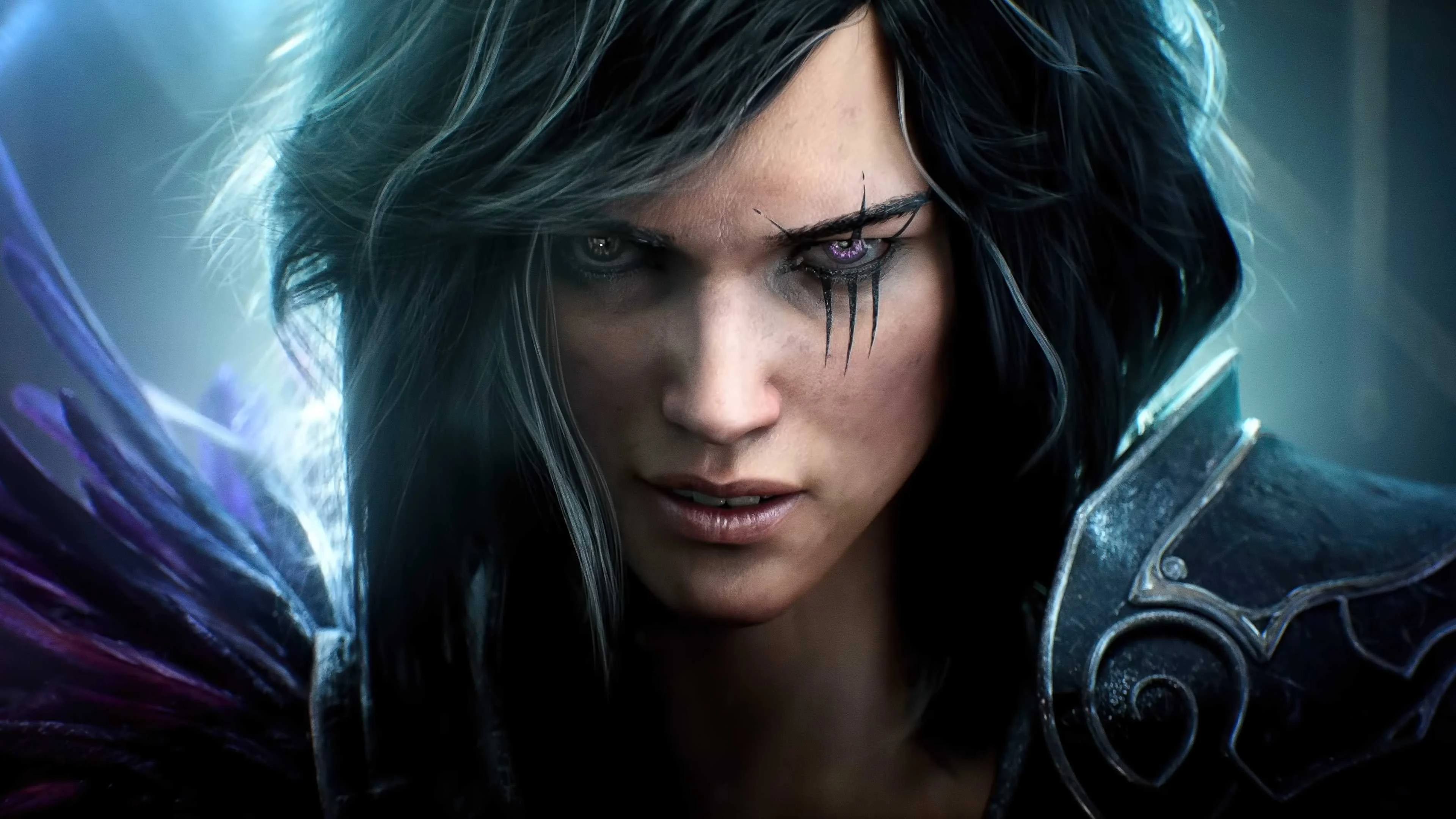
By centering the game on a warlock named Kaatri, voiced by Tricia Helfer, Invoke is embracing a more focused form of character fantasy than Dark Alliance ever managed.
Design Promises: Open World, Branching Story, Tactical Combat
Details are still early, but the high-level pitch is clear:
-
Third-person action RPG
-
Open-world structure
-
“Tactical and visceral” combat
-
Branching narrative with meaningful decisions
-
A progression system blending martial mastery and spellcasting
Kaatri’s build is split between Pact of the Blade-style weapon specialization and classic warlock magic, including spells like Eldritch Blast and Evard’s Black Tentacles.
From a systems perspective, that suggests:
Hybrid Combat Loops
Players will likely chain melee attacks into blasts, area denial spells, and mobility tools. If Invoke nails fluid transitions between blade and magic, Warlock could feel distinct from standard ARPGs.
Cooldowns and Positioning
Iconic spells like Evard’s Black Tentacles imply crowd control, zoning, and synergy with terrain. That leans into the “tactical” side of the pitch, not just spectacle.
Build Identity Without Class Switching
Because the game is built around a single class fantasy rather than a full D&D roster, Invoke can invest deeply in making this one style feel rich and replayable instead of spreading itself thin.
Wizards of the Coast’s Bigger Play in Games
Warlock doesn’t exist in isolation. Wizards of the Coast is also backing Exodus, a high-profile sci-fi RPG from Archetype Entertainment, written in part by veteran space opera writers and former BioWare leads. It’s also slated for 2027.
Taken together, Warlock and Exodus show a clear strategy:
-
Leverage strong IP (D&D, new sci-fi universe) with internal studios.
-
Aim at the “prestige RPG” tier dominated by titles like Baldur’s Gate 3 and Mass Effect.
-
Control both tabletop and digital storytelling pipelines.
For years, Dungeons & Dragons struggled to translate its tabletop dominance into consistent video game success. Other studios have recently delivered the big breakthrough; now Wizards wants to be more directly involved in that success instead of just licensing it out.
Warlock is the dark fantasy pillar of that strategy. If it lands, it establishes Invoke as the go-to internal team for action-oriented D&D experiences.
Early Hints at Lore and Fandom Play
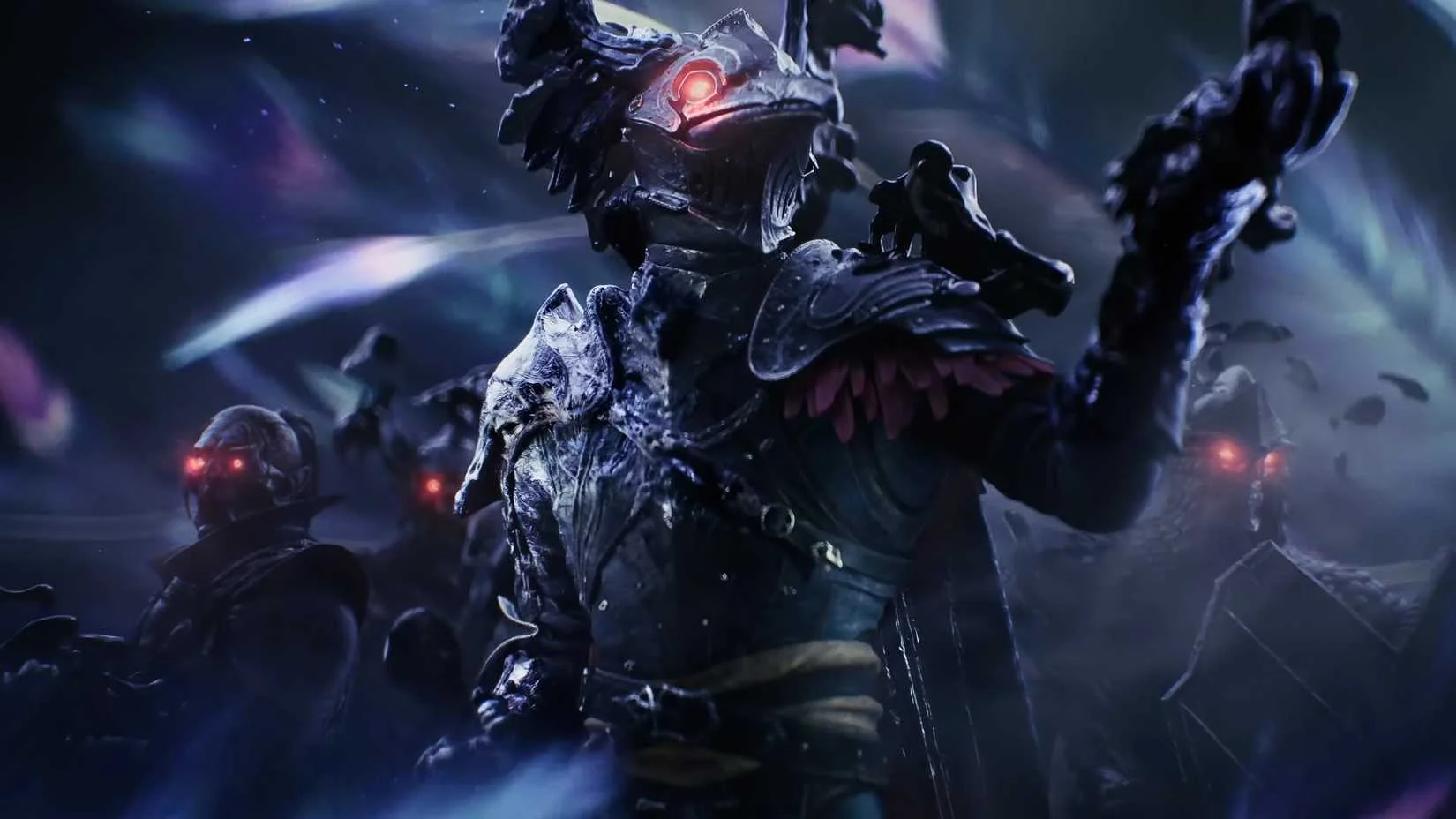
The reveal trailer leaned hard into raven imagery and a sinister, unseen patron. D&D fans quickly connected that to figures like the Raven Queen — a death-and-fate goddess shrouded in mystery — and to Tasha/Iggwilv, a legendary witch with deep ties to D&D’s planar lore and fey connections.
Nothing is confirmed, but invoking that level of speculation is smart. Modern D&D fandom is heavily shaped by actual-play shows and streaming, and these entities have become breakout characters in their own right. Tying Warlock’s backstory to that ecosystem would make it instantly more shareable.
Invoke’s challenge is to reward lore-savvy players without alienating newcomers. The warlock’s pact structure is perfect for this: you don’t need to know every name in the pantheon to understand “I took power from something I shouldn’t have.”
What Players Stand to Gain — And What They’re Worried About
The Upside
Players who’ve been waiting for a properly dark, character-focused D&D action RPG have a lot to look forward to:
-
A protagonist with a clear personal arc, not a generic avatar.
-
An open world rooted in specific class fantasy, not a vague “fantasy realm.”
-
A combat system that, if done right, could blend the responsiveness of modern action games with the resource tension of tabletop casting.
If Invoke learns from Dark Alliance’s mistakes — especially around camera handling, enemy feedback, and encounter design — Warlock could finally deliver the feel of being a warlock without the abstractions of pen-and-paper rules.
The Skepticism
On the other hand:
-
Dark Alliance left many players burned.
-
“Open world + branching narrative + deep combat” is the easiest promise to make and the hardest to fulfill.
-
A 2027 launch means a long waiting period where expectations can inflate dangerously.
The studio doesn’t just need to ship a good game. It needs to ship a game that feels like it understands both D&D and modern action RPGs at a fundamental level.
Future Outlook: Critical Fork in the Road
Looking ahead, several paths stand out:
-
If Warlock hits: Invoke becomes Wizards’ flagship internal studio. D&D finally has a strong, modern action RPG identity. Warlock could even spin off into sequels or expansions centered on different pacts and patrons.
-
If Warlock is decent but forgettable: it disappears into a crowded 2027 RPG landscape. The D&D brand doesn’t gain much, and skepticism around internal studios grows.
-
If Warlock fails badly: Dark Alliance is no longer just a stumble — it becomes a pattern. At that point, Wizards might rethink its approach and lean harder on external partners instead of internal AAA teams.
Right now, Warlock looks like the right fantasy, at the right time, with the right class fantasy at its core. But for Invoke Studios, this isn’t just another project.
It’s the pact.