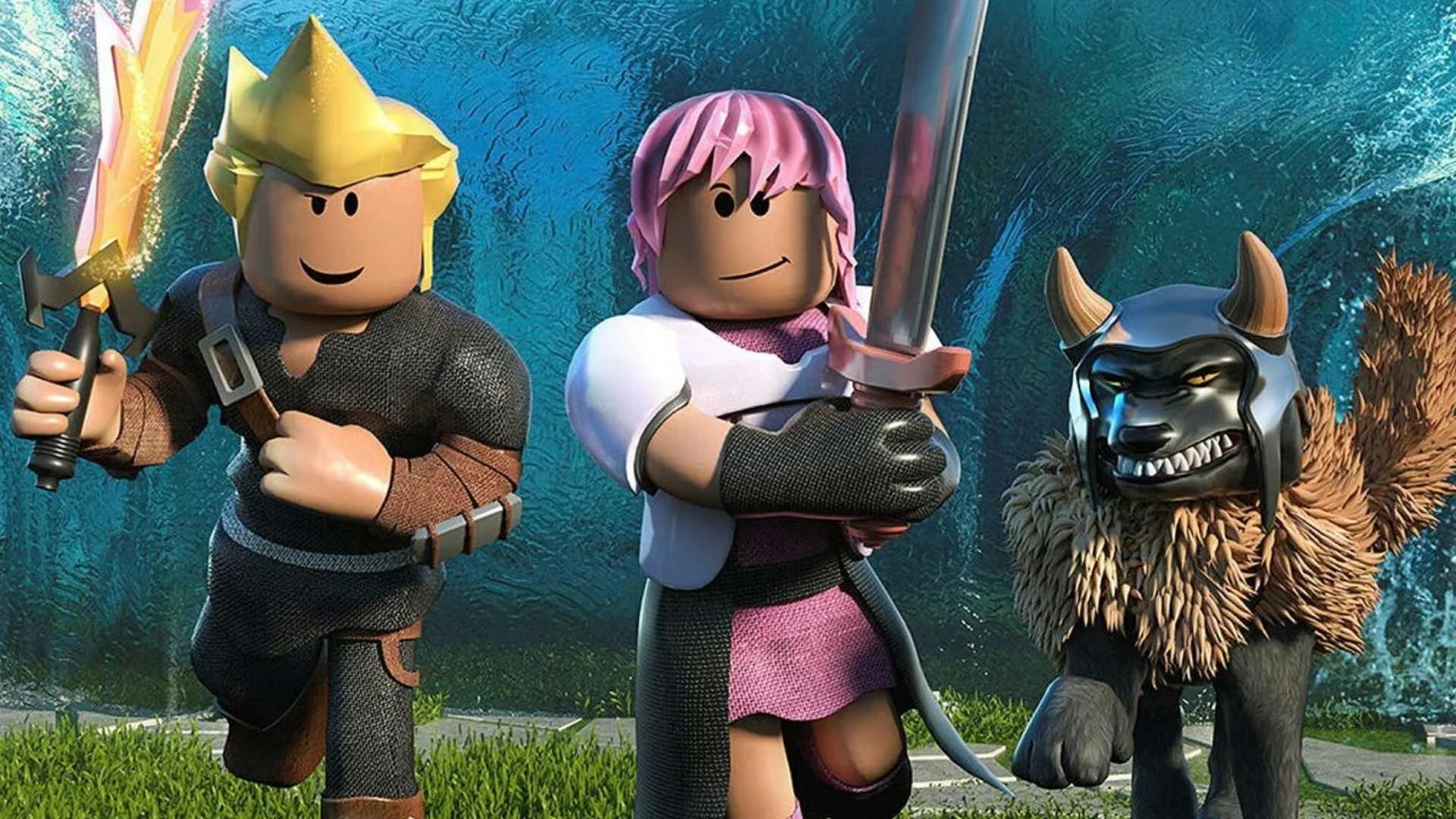
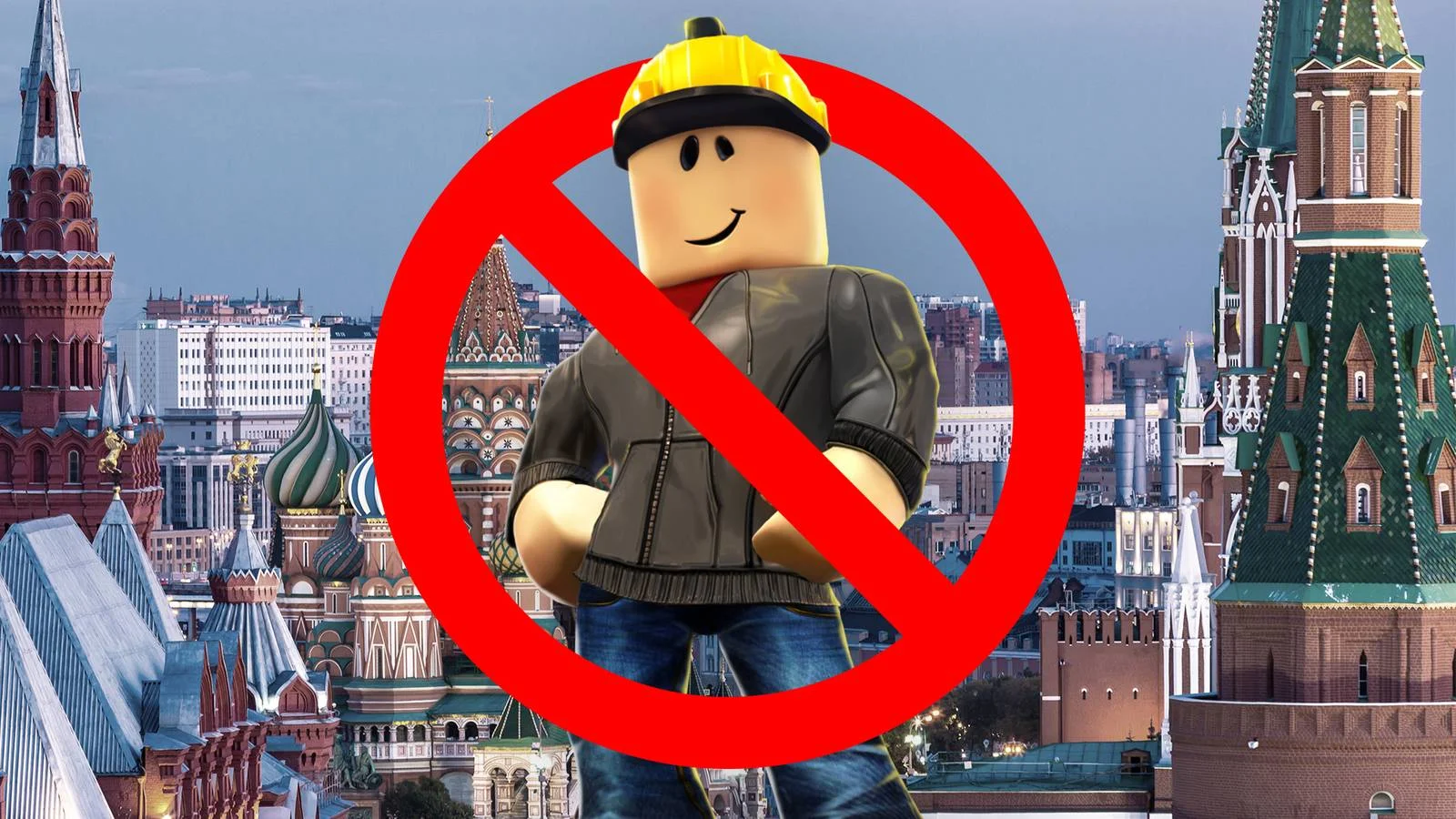
Russia has officially blocked access to Roblox across the country, marking one of the largest gaming-related bans the nation has issued in recent years. The decision, delivered by the federal communications regulator Roskomnadzor in early December 2025, asserts that Roblox facilitates the spread of propaganda and harmful material. The ruling effectively disconnects an active Russian player base estimated at well over two million daily users—a number that rivals some of the most popular titles in the region.
The ban highlights the widening gulf between Russia’s digital landscape and the broader global gaming community. Roblox, which launched in 2006 and evolved into one of the largest gaming platforms in the world, has become a fixture of youth entertainment. Its strength lies in the staggering volume of user‑generated content—millions of experiences created by players, ranging from role‑playing worlds to competitive action modes. Even in late 2025, individual games like Forsaken, Grow a Garden, and Rivals routinely attracted daily player numbers surpassing major AAA franchises.
For Russian officials, however, Roblox’s open-access structure is precisely the problem. Roskomnadzor’s official statement argues that the platform has been used to distribute “extremist or terrorist materials,” encourage unlawful sexual behavior, enable harassment of minors, circulate intimate images, and disperse content supportive of LGBTQ identities—an area strictly regulated within Russia’s borders. These accusations, delivered in the agency’s press briefing, are not tied to any specific Roblox games. Instead, the focus appears to be on the system as a whole, particularly chat tools and communication features that allow players to interact freely.
Russia’s decision adds it to a small but notable list of nations with full or partial restrictions on Roblox. The roster includes China, Greece, Indonesia, Jordan, Guatemala, Saudi Arabia, the UAE, and North Korea. But Russia’s move carries particular weight, both because of the platform’s popularity and because it reflects the country’s accelerating push to control foreign digital spaces.
This is not the first step Moscow has taken to fence off Western technology since the escalation of its conflict with Ukraine. In 2022, Meta was declared an extremist organization, resulting in the immediate blocking of Facebook and Instagram. YouTube followed in 2024. The messaging and community platform Discord was also banned, cutting off a crucial hub for Russia’s online gaming scene. While individual games rarely land on the official list of extremist materials, the country has not hesitated to block major platforms outright when they originate from outside its political sphere.
Interestingly, the actions of the Russian government are not the only reason the domestic gaming market has shrunk. Numerous Western publishers have voluntarily halted business in Russia and Belarus following the invasion of Ukraine and the annexation of Crimea. Electronic Arts shut out both countries from its esports programs and stopped distributing titles like FIFA and Apex Legends to local stores. Nintendo, Microsoft, Sony, Activision Blizzard, Take-Two, Bloober Team, Ubisoft, and multiple other studios have similarly suspended support or sales. Together, these choices have effectively isolated the Russian gaming ecosystem from much of the international market.
Roblox’s troubles, however, extend beyond geopolitical friction. Throughout 2025, the company has faced mounting legal pressure in the United States. Attorneys general from Louisiana, Kentucky, and Texas have filed lawsuits claiming Roblox failed to protect young users from predatory behavior, inappropriate content, and sexually explicit interactions. The platform’s enormous size—hundreds of millions of monthly players across thousands of evolving environments—has made moderation a perpetual challenge.
In response, Roblox has attempted to reinforce its safety framework. One major addition is an age‑verification process requiring players to scan government identification and submit a facial photo for automated authentication. The company has also implemented new restrictions for users eight years old and under, limiting chat features and introducing age‑segmented group sorting intended to reduce the risk of minors interacting with anonymous strangers. Parental control tools have expanded as well, giving guardians a clearer view of playtime, friend lists, and accessed game experiences.
Despite these efforts, critics argue that Roblox’s problems stem from structural design choices—namely, its emphasis on community‑driven content, which makes enforcement inherently difficult. For Russia, which already outlawed public displays of LGBTQ expression and strengthened censorship laws surrounding political extremism, Roblox’s decentralized creative model appears incompatible with the government’s regulatory expectations.
The full consequences of the ban will take time to settle. For millions of Russian players, Roblox served not just as a gaming platform but as a social network, creative workshop, and educational tool. The removal blocks access to years of progress, community-building efforts, and virtual friendships. Some tech-savvy users will undoubtedly seek alternative access methods, but Russian authorities have become increasingly capable of shutting down VPN usage and third-party workarounds since 2023.
Meanwhile, the global market feels a different kind of impact. Roblox’s developers lose a major user segment, creators from across the platform lose exposure to a huge audience, and the brand faces renewed scrutiny in other regions now empowered by Russia’s accusation. The controversy arrives during a period of rapid restructuring within the company, which has attempted to position itself less as a gaming portal and more as a multipurpose digital universe.
Whether additional nations adopt restrictions of their own remains to be seen. But Russia’s ban reinforces a growing trend: large open‑platform digital environments are becoming central battlegrounds in global debates about information control, online safety, and political influence. Roblox’s situation is just one chapter in that ongoing conflict, and its outcome may shape how other tech giants navigate regulated markets in the future.