Phantom Blade Zero Could Be PlayStation’s Next Breakout Hit – And It’s Not Coming From the Usual Studios
A New Flagship for a New Era
For years, when people thought “big PlayStation action game,” the same studios came to mind: Santa Monica, Naughty Dog, Insomniac, Guerrilla. Now a Beijing-based team is trying to elbow its way into that circle.
Phantom Blade Zero has been floating around the conversation ever since its first reveal: a stylish Chinese action title with ridiculous sword animations and dense, moody environments. With its newest showing at The Game Awards and a confirmed 2026 release window, it’s no longer just “that cool Chinese trailer.” It’s quietly turning into one of PlayStation’s most important bets for 2026.
This is no longer about a flashy debut. It’s about whether a new studio can deliver a game that stands alongside Sony’s prestige catalogue, not under it.
From Indie Gore to AAA “Kungfupunk”
The team behind Phantom Blade Zero, S-GAME, didn’t appear out of nowhere. Director Soulframe Liang cut his teeth on smaller, grim 2D action titles in the Rainblood series – compact, brutal games steeped in Chinese martial-arts mythology.
Phantom Blade Zero takes that foundation and essentially rebuilds it from scratch:
-
Unreal Engine visuals
-
third-person camera
-
semi-open structure
-
a new label for its identity: “kungfupunk”
That term actually matters. It signals that S-GAME doesn’t want to be filed under “Soulslike, but Chinese” or “Devil May Cry with a different skin.” The art direction fuses:
-
traditional wuxia silhouettes
-
steampunk and industrial elements
-
occult and horror imagery
-
anime-style exaggeration
It’s aggressively trying to claim its own corner of the genre.
While other recent Chinese projects like Wuchang: Fallen Feathers and Black Myth: Wukong lean on slower, weightier combat and classical myth, Phantom Blade Zero is banking on speed and spectacle without abandoning martial discipline.
The Game Awards Trailer: Narrative Hooks Before the Sword Porn
At The Game Awards, Phantom Blade Zero could have just done two straight minutes of acrobatic swordplay and called it a day. Instead, the trailer opened with something quieter and nastier: an assault on a home, a masked figure carrying a screaming infant, and then a hard cut to that child grown into Soul, now an adult assassin.
Starting there does a few important things:
-
It anchors the story in personal trauma, not generic “save the world” stakes.
-
It explains the game’s oppressive tone before any combat is shown.
-
It marks Soul as someone shaped by violence from birth, not a random mercenary.
Outside the trailer, we know the setup is even harsher: Soul has been framed, left with a damaged heart, and cursed with only a limited number of days to live while he hunts the truth behind a conspiracy involving his own organization. That time limit gives the entire game a built-in urgency most action RPGs lack.
It’s not just “go kill the big bad.” It’s “how much will you burn of what little time you have left?”
Combat Systems: Between Soulslike and Pure Hack-and-Slash
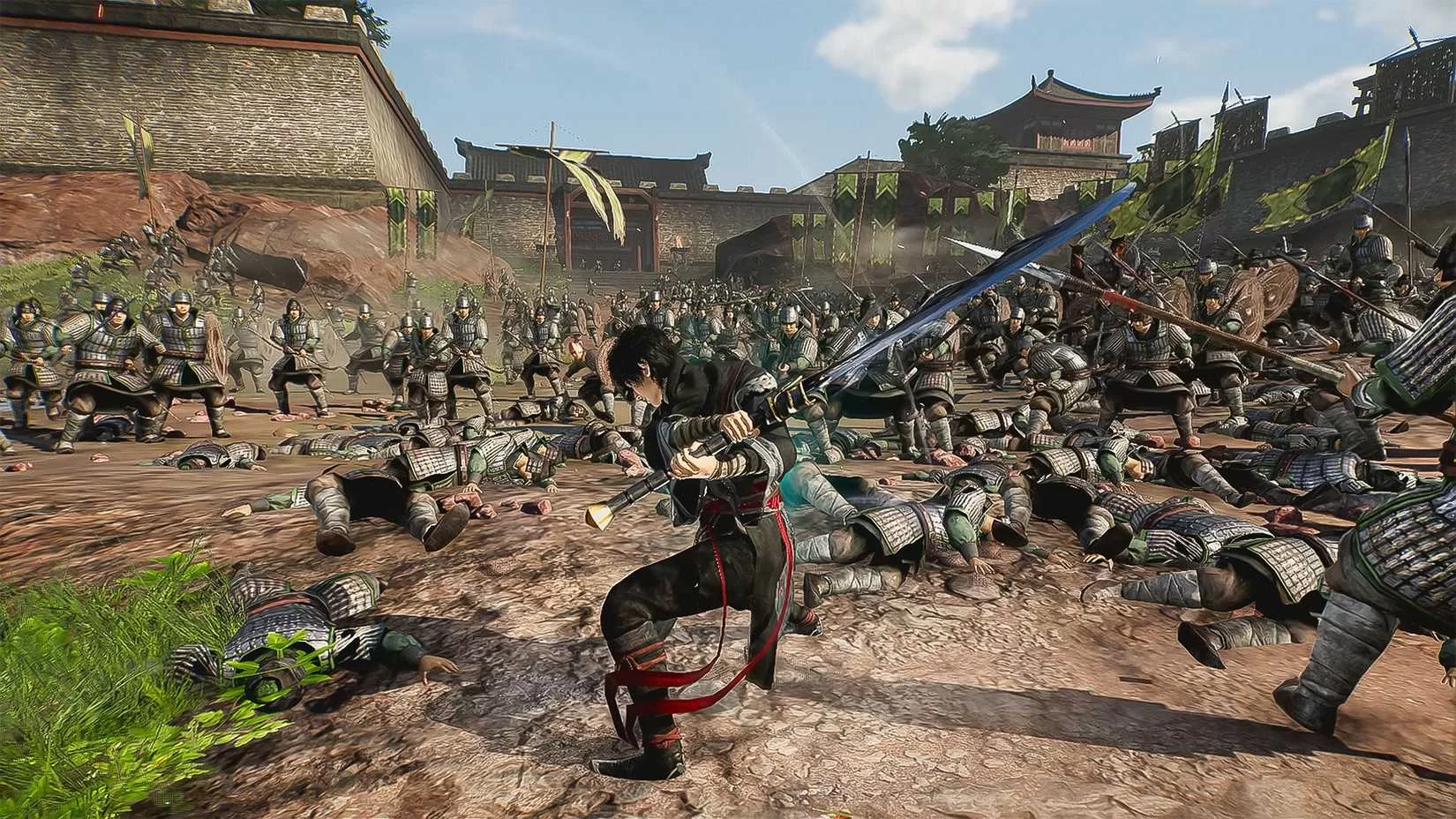
On the surface, Phantom Blade Zero looks like a classic hack-and-slash: long combo strings, aerial juggles, dramatic finishers. The closer you look, the more it becomes clear it’s trying to dodge easy labels.
The combat is built around:
-
Weapon variety – a wide roster of melee weapons, each with distinct tempo, range, and combo trees.
-
Phantom Edges – powerful techniques or “special moves” you earn by defeating tough enemies and bosses, shaping your build and style.
-
Tempo, not stamina – instead of the heavy stamina-management of Soulslikes, the focus seems to be on rhythm: bursts of aggression, well-timed parries, repositioning, then another controlled offensive.
This isn’t about turtling behind a shield or spamming the same juggle endlessly. The animations are clearly choreographed with martial-arts stunt work in mind – the sweet spot is “cinematic, but still readable.”
Done well, it can hit that rare middle ground where hardcore players feel challenged and casuals still understand what’s happening on screen.
Bosses as Spectacle – But with Cultural Teeth
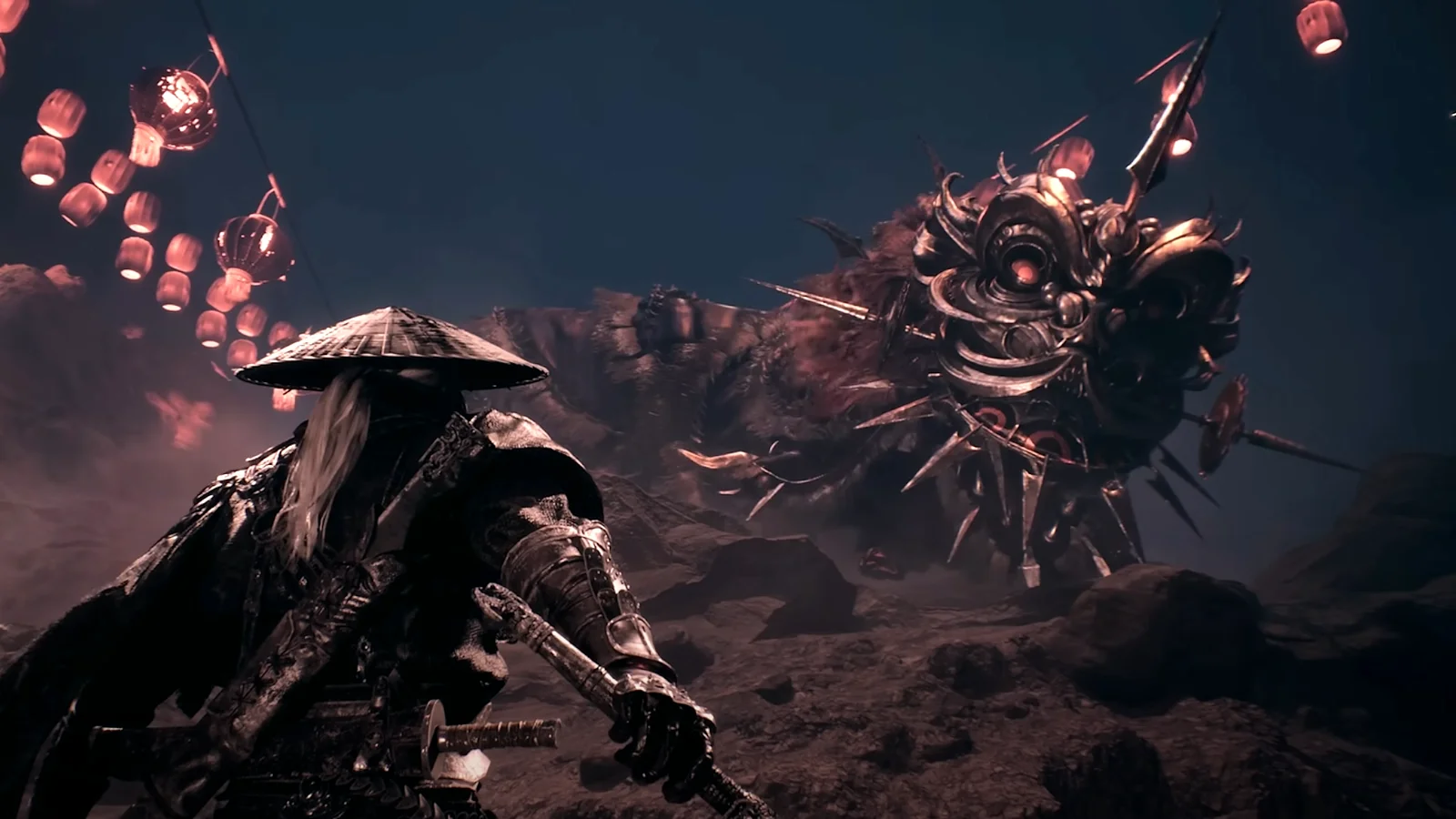
The latest trailer spends a surprising amount of time on boss battles. There are hulking armored giants, agile dueling specialists, and most memorably, a ceremonial Chinese dragon repurposed as a lethal mid-air boss encounter.
This is where Phantom Blade Zero’s Chinese identity stops being a marketing bullet point and becomes real substance.
Instead of another Western dragon or demon re-skin, you get:
-
dragons modeled after festival dragons, weaving through structures
-
masked warriors whose movement hints at specific martial schools
-
environments echoing Chinese architecture distorted by occult tech
If those fights actually play as good as they look, the game will have something that neither Western nor other Chinese action titles fully own yet: a boss design language that feels specific, not generic.
Why PlayStation Is Backing This So Hard
Technically, Phantom Blade Zero isn’t a lifetime exclusive, but it is being positioned as a PS5 console headliner, with PC support alongside. For Sony, it ticks a bunch of strategic boxes:
-
It’s a visual showcase for PS5 hardware.
-
It deepens PlayStation’s presence in China, a region they’ve been courting via partner programs for years.
-
It adds a non-Western, non-Marvel, non-sequel action game to a lineup that can otherwise feel very familiar.
-
It fits neatly into a 2026 slate that already includes Marvel’s Wolverine, Saros, and other heavy hitters.
The message is pretty simple: “Our next big hits don’t all have to be made in California.”
If Phantom Blade Zero lands, it strengthens that argument in a way no PR statement ever could.
What Players Actually Get Out of This
From the player side, who is this game really targeting?
-
People who love technical third-person action but have burned out on European fantasy.
-
Soulslike players who still enjoy difficulty, but want a faster, more expressive combat loop.
-
Fans of martial-arts cinema, wuxia novels, and anime who rarely see their tastes reflected in AAA-scale releases.
-
PS5 owners waiting for something that isn’t a sequel, a remake, or a superhero game.
The hook is clear: feel like a legendary swordsman in a completely unhinged dark martial world, without sacrificing mechanical depth.
If S-GAME can keep responsiveness tight, hitboxes fair, and animation snappy, Phantom Blade Zero has a real shot at becoming that game people use as a skill flex: “Can you beat this?” rather than just “Did you finish it?”
The Risks They Can’t Afford to Ignore
The potential is huge, but the pitfalls are obvious:
-
Performance and optimization – we’ve already seen stylish action games stumble badly at launch because of poor PC and console performance. Phantom Blade Zero cannot afford to be another “wait six patches” situation.
-
Localization and narrative clarity – wuxia storytelling can be dense and layered. If the script and voice work don’t carry that properly into English and other languages, a lot of players will just skip the story and miss what makes it special.
-
Crowded release year – 2026 is packed with high-profile action titles, many of them also on PS5.
If the game launches technically rough or narratively confusing, it’ll get written off as “cool trailer, mid game” before it ever gets a fair second look.
If It Works, the Landscape Changes
If Phantom Blade Zero delivers on even most of what it’s promising, it doesn’t just become “another good exclusive.” It becomes proof of concept.
Proof that:
-
a Chinese studio can ship a global, prestige-level action title on a flagship console
-
PlayStation’s most important partners don’t all need decades of history with Sony
-
there’s real demand for action games that pull from different cultural canons, not just the same Western fantasy template
Right now, Phantom Blade Zero is more than just a stylish teaser reel. It’s a test: can a new name stand shoulder to shoulder with Sony’s usual giants and not look out of place?
2026 is where we find out.