A Holiday Event That’s Doing More Than Celebrating the Calendar
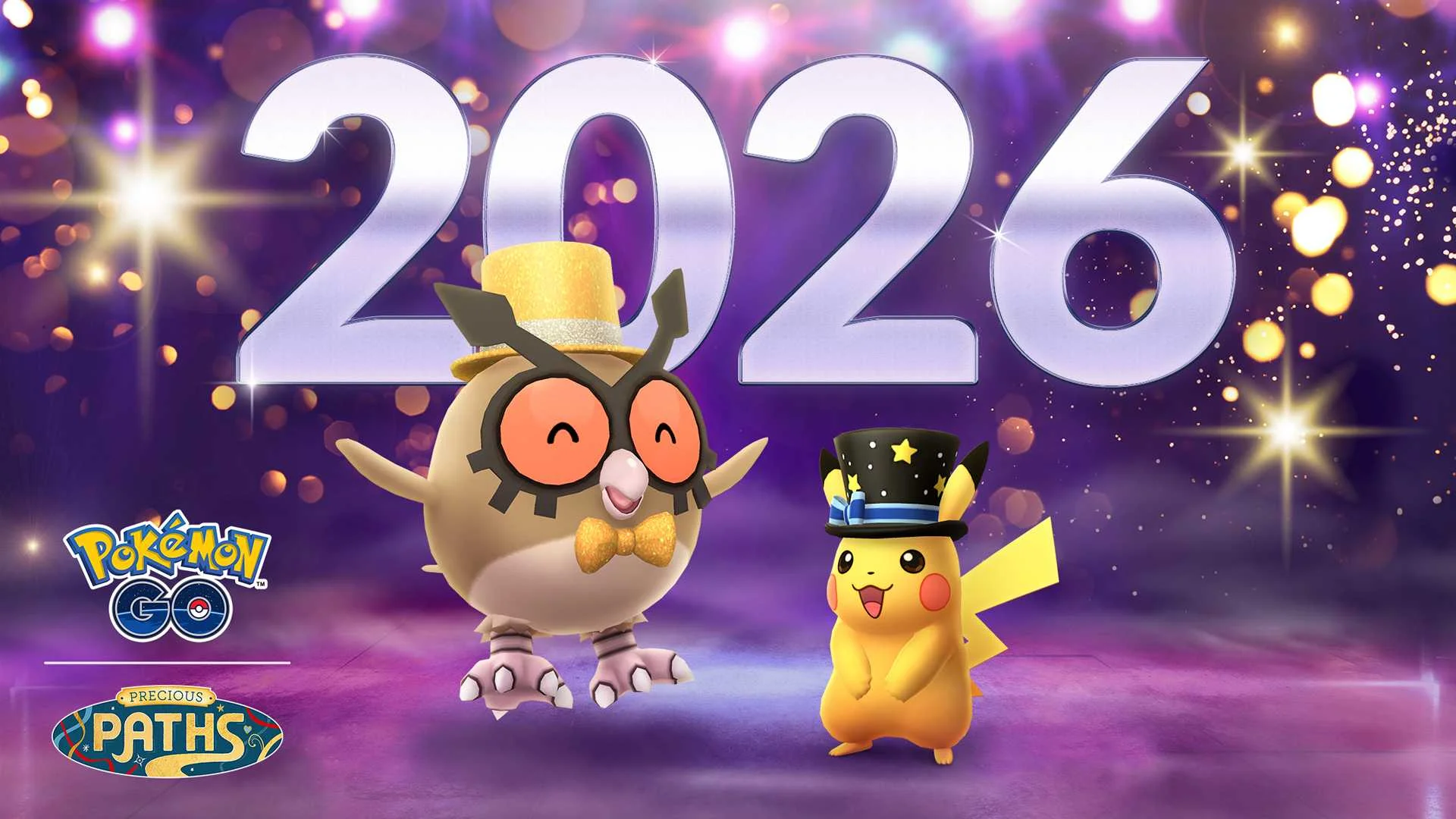
At first glance, Pokémon GO’s New Year event looks familiar: fireworks in the sky, costumed Pokémon, boosted rewards, and a short window designed to push players back outside during a normally quiet time for mobile games. But taken in context—especially within December’s packed event schedule—it becomes clear that this isn’t just a seasonal tradition.
It’s a carefully calibrated retention play for a live-service game entering its ninth year.
Niantic’s New Year event isn’t about surprise. It’s about reinforcement: reinforcing habits, sunk collections, social play, and the psychological value of logging in right now instead of later.
Context: December Has Become Pokémon GO’s Most Aggressive Month
Pokémon GO didn’t always treat December like this. In earlier years, the holiday period was relatively light—some themed spawns, maybe a hat Pokémon, and a brief XP bonus. That changed once Niantic leaned fully into year-end engagement loops.
Now December is a gauntlet.
Annual Community Day recaps compress an entire year’s worth of exclusives into a single weekend. Raid rotations stack limited-time bosses. Spotlight hours continue uninterrupted. And holiday events overlap instead of replacing one another.
The New Year event sits at the very end of this funnel. It isn’t designed to attract lapsed players—it’s designed to retain exhausted ones.
Costumed Pokémon Aren’t Cosmetic—They’re Behavioral Anchors
Why Hats Still Matter After Nearly a Decade
Costumed Pokémon are often dismissed as filler content, but Niantic uses them with intent. A Pikachu wearing a star-studded top hat isn’t valuable because of its stats—it’s valuable because it’s time-locked.
Miss this event, and that exact version may not return for years, if ever.
This creates what live-service designers call “soft exclusivity”: items that don’t impact balance but still generate urgency. For collectors, the fear of missing out isn’t abstract—it’s visible in the Pokédex.
By spreading costumed Pokémon across wild spawns, raids, and field research, Niantic ensures that multiple playstyles are engaged simultaneously.
The Technical Layer: Why Lucky Trades Are the Real Headliner
While visual flair draws attention, the most impactful system-level change in the New Year event is the expansion of Lucky trade mechanics.
Increasing the Lucky trade cap and guaranteeing Lucky outcomes for older Pokémon isn’t just a generosity play. It’s a deliberate push toward:
-
Inventory cleansing (freeing storage from legacy Pokémon)
-
Social interaction (encouraging in-person trades)
-
Power progression (making older Pokémon competitively viable again)
This is especially important in a game where long-term players often sit on hundreds of outdated creatures with sentimental but limited gameplay value.
Niantic is effectively converting nostalgia into progression fuel.
Monetization Without Aggression
The optional paid timed research is modest by mobile standards, and that’s intentional. Pokémon GO rarely spikes revenue through single purchases—instead, it relies on consistency.
The $1.99 ticket doesn’t gate core content. It supplements it with premium passes and cosmetics, targeting players already engaged during the event window.
This approach avoids backlash while still capturing value from highly active users, a balance many mobile games fail to strike.
Player Impact: Who Actually Benefits From This Event?
Casual Players
Casual players benefit most from boosted XP, Stardust, and accessible costumed encounters. The event is forgiving, festive, and easy to engage with for short sessions.
Veteran Players
For veterans, the Lucky trade changes are the real draw. This event rewards longevity more than skill—something rare in competitive or grind-heavy systems.
Community Builders
Local communities benefit from increased trade incentives and raid participation, reinforcing Pokémon GO’s core identity as a social game rather than a solo grind.
Risks: Event Saturation and Player Fatigue
There is a real risk here. December’s relentless pacing leaves little downtime, and event fatigue is becoming a common community complaint.
If every week feels “mandatory,” none of them feel special.
Niantic is walking a fine line between engagement and burnout—and the New Year event works largely because it feels familiar rather than demanding.
What This Signals for Pokémon GO in 2026
The New Year event confirms a larger trend: Pokémon GO is no longer chasing explosive growth. It’s maintaining a stable, loyal ecosystem.
Expect future events to continue focusing on:
-
Legacy value conversion
-
Social mechanics
-
Cosmetic-driven urgency
-
Gentle monetization
In that sense, this isn’t just a celebration of a new year—it’s a snapshot of Pokémon GO’s mature phase as a live-service platform.
And after nearly a decade, that stability may be its greatest achievement.