
A Quiet Exit at a Loud Moment
When a senior creative figure leaves a game studio shortly before launch, the industry pays attention — not because departures are rare, but because timing matters. The decision by Joseph Cross to part ways with Bungie just months ahead of Marathon’s release lands at a particularly sensitive moment, both for the project and the studio behind it.
On the surface, this is framed as a personal decision by a veteran developer stepping away after a long production cycle. Beneath that surface, however, it intersects with Bungie’s most turbulent development period in years — one marked by delays, public controversy, and a strategic shift toward a genre Bungie has never shipped before.
Context: Marathon’s Reinvention and Bungie’s High-Stakes Gamble
Marathon is not just another new IP. It’s Bungie’s attempt to reinterpret a legacy name through the lens of the extraction shooter genre — a space currently defined by punishing competition and extremely narrow margins for success.
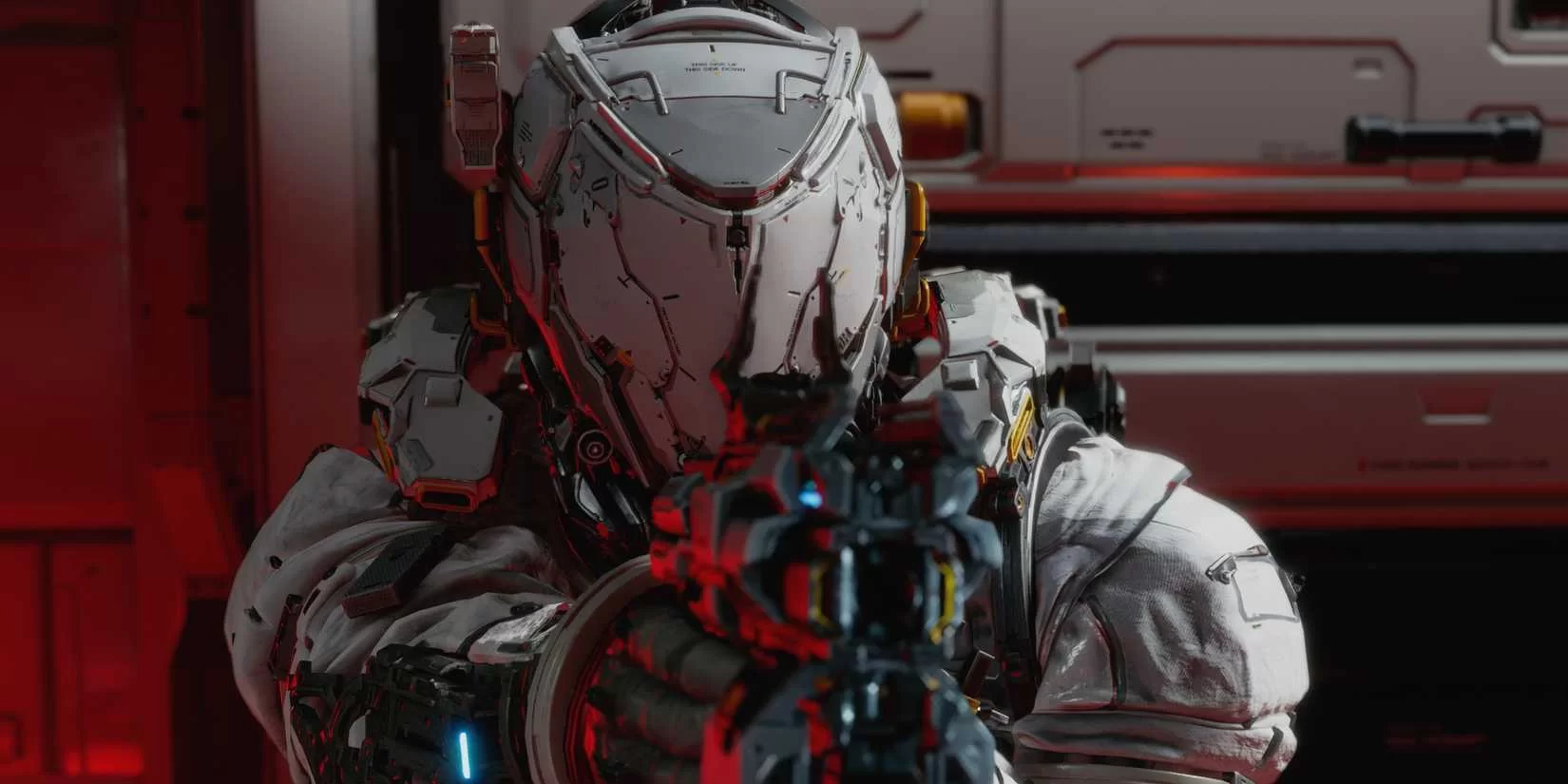
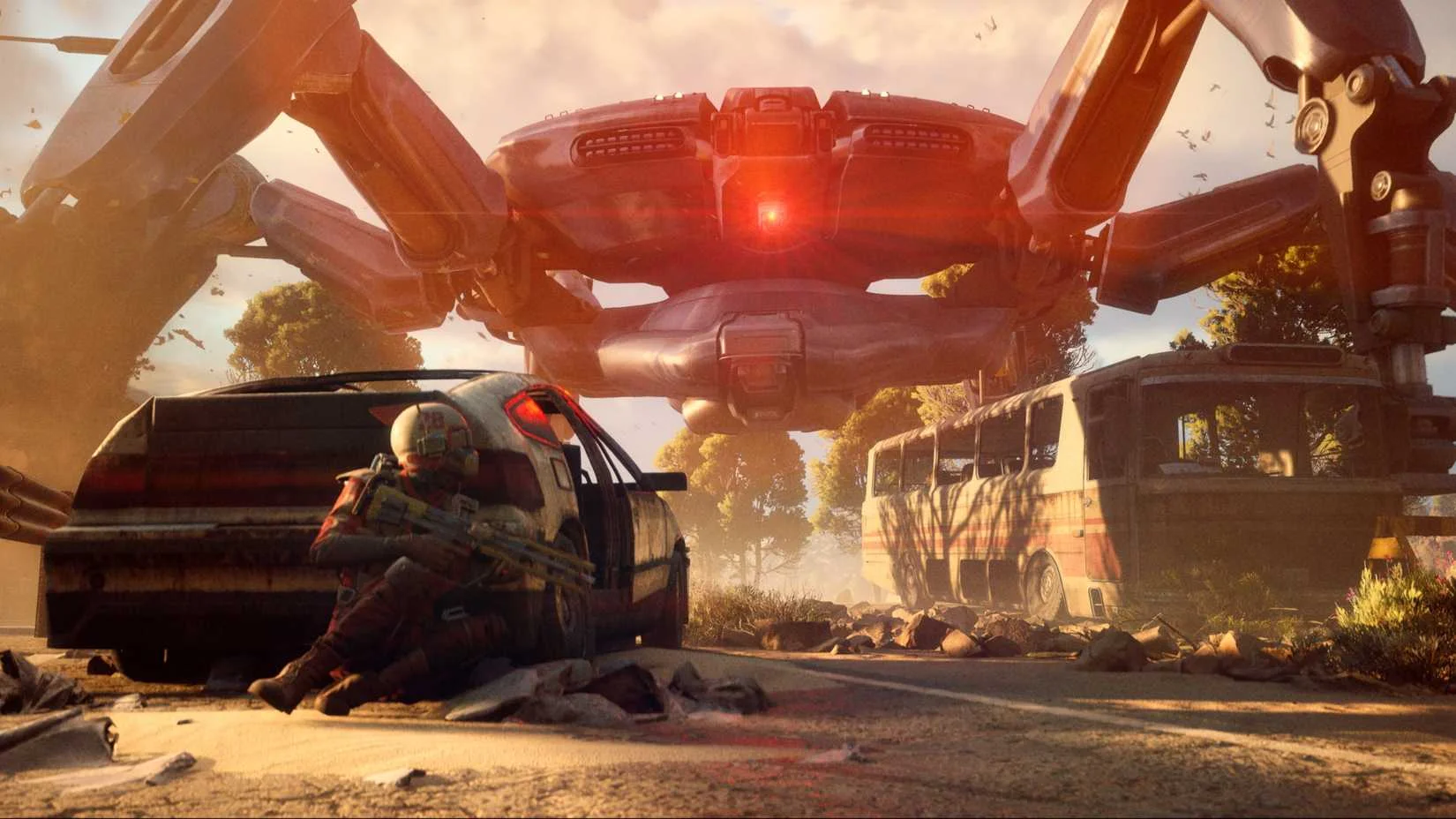
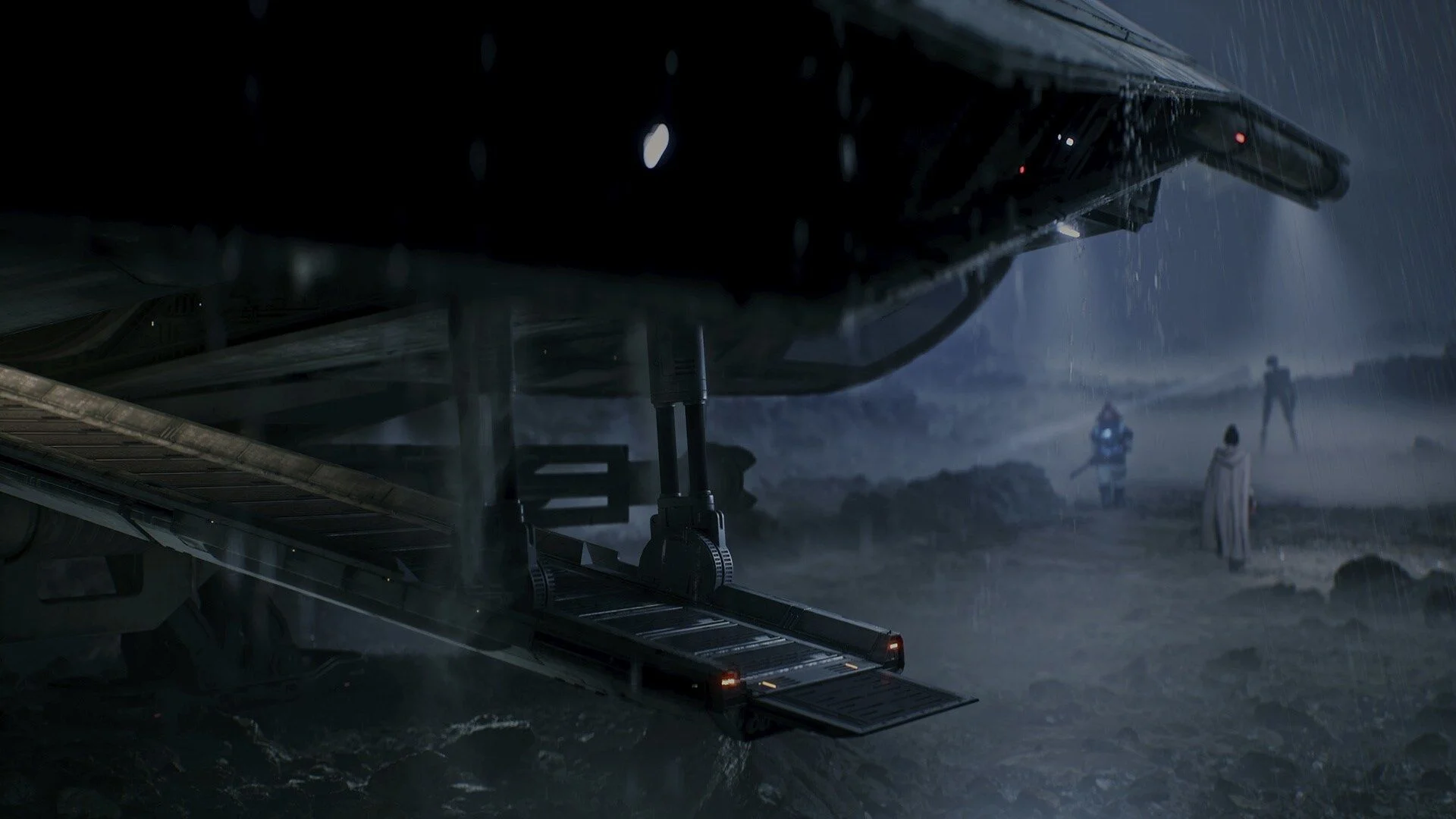
Early reveals positioned Marathon as visually distinct, favoring bold color palettes and graphic sci-fi minimalism rather than realism. That aesthetic quickly became the game’s strongest identity marker — and its most scrutinized.
Then came the turbulence:
-
Mixed internal and external playtest reactions
-
Public allegations related to asset originality
-
An indefinite delay that forced Bungie to reassess core systems
By the time Bungie reconfirmed a March 2026 release window and a $40 price point, Marathon had already undergone more internal correction than many projects survive.
It’s within that context that Cross’ departure takes on weight.
Why Art Direction Matters More Than Usual for Marathon
For most shooters, art direction is secondary to feel, balance, and progression. Marathon is different.
The game’s visual identity isn’t decoration — it’s differentiation.
In a genre dominated by gritty militarism and functional sci-fi, Marathon deliberately chose abstraction and stylization. That choice carries risk:
-
It narrows appeal
-
It invites scrutiny
-
It requires consistency across systems, UI, and environments
Cross’ six-year tenure shaped not just the look of Marathon, but its tone, world logic, and readability — all critical in an extraction shooter where information clarity determines survival.
Losing the steward of that vision late in development doesn’t erase the work, but it does shift responsibility to teams now tasked with maintaining cohesion under launch pressure.
Historical Perspective: Late-Stage Departures Aren’t Always Red Flags
The industry has seen high-profile creative exits close to launch before — with mixed outcomes.
In some cases, departures signal burnout or completion:
-
Creative leads finish the vision phase
-
Production shifts to optimization and live readiness
-
Personal transitions follow
In others, exits reflect deeper misalignment between creative ambition and operational reality.
What makes this situation ambiguous — rather than alarming — is Bungie’s insistence that the game’s direction is locked. The remaining risk isn’t change, but maintenance.
Bungie’s Broader Strategy Under the Microscope
This moment cannot be isolated from Bungie’s wider transformation.
The studio is balancing:
-
A live-service behemoth in Destiny
-
New IP expectations
-
Corporate pressure following restructuring
-
A genre pivot toward extraction gameplay
Extraction shooters demand relentless post-launch support. That means art direction isn’t “done” at launch — it’s foundational for years of updates, cosmetics, environments, and events.
Cross leaving now suggests Bungie believes the visual language is stable enough to survive without its original architect. That confidence may be justified — or tested — depending on how live content evolves.
Player Perception: Trust, Momentum, and Narrative Control
From the player’s perspective, timing shapes narrative.
After months of uncertainty, Bungie finally regained momentum:
-
A firm release date
-
Platform confirmation
-
Clear pricing
The art director’s exit risks reframing that momentum if Bungie fails to control messaging. Players don’t panic over departures — they panic over patterns.
One exit is a footnote. Multiple creative departures become a story.
So far, Bungie remains on the right side of that line.
Competitive Pressure: Extraction Shooters Don’t Forgive Stumbles
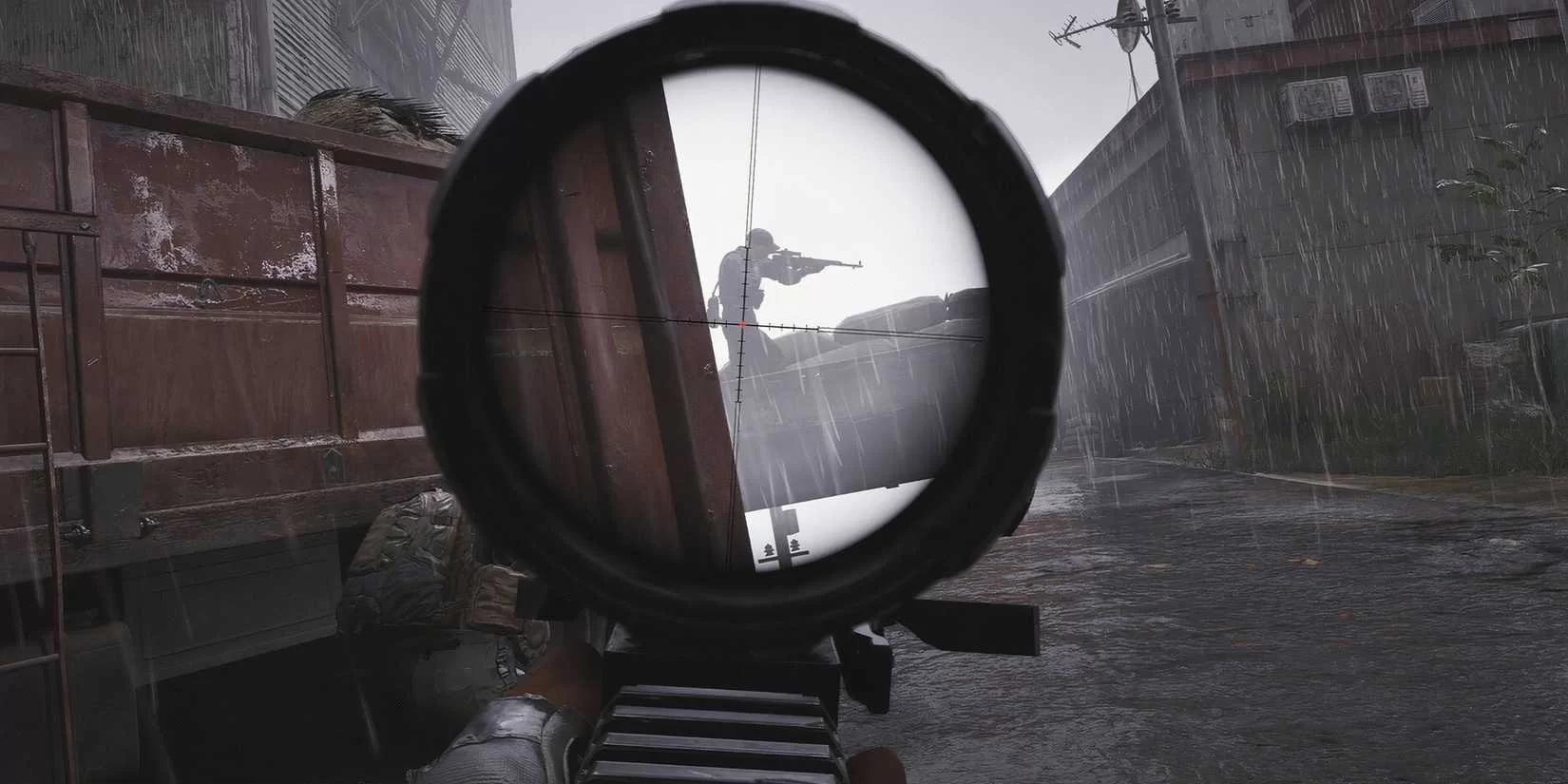
Marathon isn’t entering an empty field. It will compete directly with titles like ARC Raiders, along with genre incumbents that already understand how unforgiving player churn can be.
In this space:
-
Visual clarity impacts moment-to-moment survival
-
Identity determines streaming traction
-
Aesthetic fatigue kills engagement fast
The foundation Cross leaves behind must support not just launch content, but seasonal reinvention.
The Real Risk Ahead
The greatest risk isn’t that Marathon suddenly looks different.
It’s that, without its original art leadership, the game slowly becomes less distinct over time — smoothing edges, chasing trends, and diluting the very qualities that made it stand out.
Bungie’s challenge now is restraint.
If the studio holds the line on its visual philosophy, Cross’ departure will read as a natural closing chapter. If not, it may mark the moment Marathon began losing its identity — quietly, and too late to course-correct.