
Square Enix, the publisher behind some of gaming’s most iconic franchises, is reportedly cutting more than 100 positions across its offices in the United States and the United Kingdom. The layoffs mark a major shift in strategy for the Japanese developer, which plans to consolidate operations and rely more heavily on artificial intelligence for future game development.
While Square Enix has long been recognized for titles such as Final Fantasy, Kingdom Hearts, and Dragon Quest, the company now appears to be entering a period of transformation — one focused on streamlining costs, re-centralizing creative control in Japan, and modernizing development practices to align with new technology.
However, this restructuring has come at a heavy cost for many employees abroad, sparking disappointment and concern throughout the industry.
🧩 Square Enix’s Restructuring Plan and the Scope of the Layoffs
According to internal communications and social media reports from affected staff, the layoffs are part of a company-wide initiative to “reorganize overseas operations.” Estimates suggest that over 100 employees have already been impacted, though the total number could rise as consultations continue in the UK under local redundancy laws.
An internal memo obtained by several gaming outlets paints a clear picture of Square Enix’s direction going forward. The company’s leadership emphasized a renewed focus on centralized development within Japan, as well as a broader integration of AI-driven tools throughout its production pipeline.
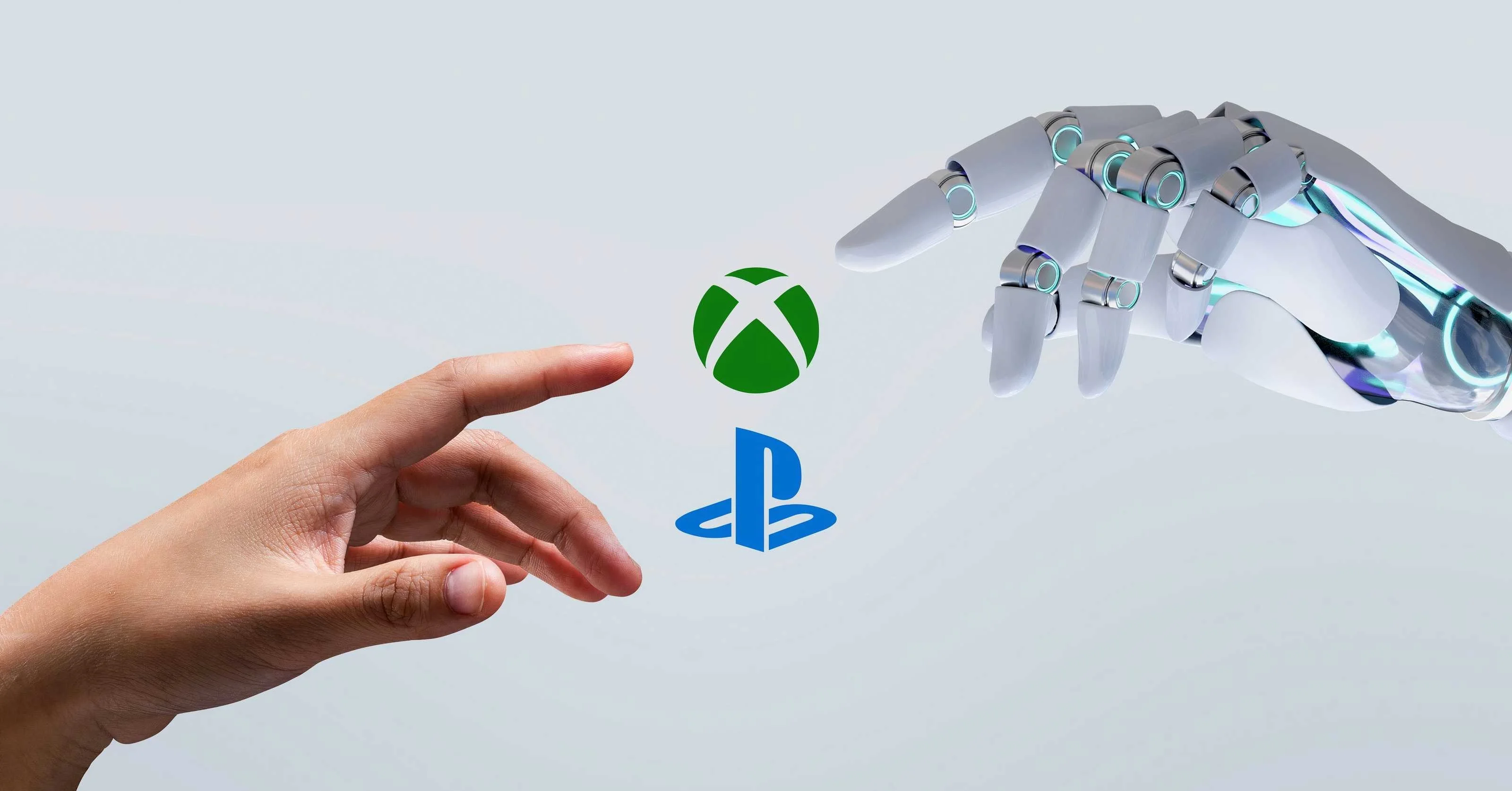
One of the more controversial points in the memo is the statement that Square Enix intends to have up to 70% of quality assurance (QA) work handled by generative AI by 2027. The goal, according to the memo, is to “improve the efficiency of QA operations and establish a sustainable competitive advantage in development.”
In other words, the company hopes AI will eventually automate much of its testing, bug detection, and optimization processes — areas that traditionally employ large teams of testers in the West.
🏢 U.S. and U.K. Offices Most Affected
Reports indicate that the majority of layoffs are hitting publishing, QA, and marketing divisions within the company’s Western branches. Square Enix’s Los Angeles office, which has supported North American releases and partnerships, has reportedly seen several departments downsized or shuttered.
Meanwhile, in the United Kingdom, roughly 137 employees are estimated to be facing redundancy. However, that number could fluctuate pending formal consultation processes required under UK labor law.
While Square Enix has not released an exact breakdown of which teams are affected, several former employees have taken to social media to confirm that marketing, communications, and localization roles were among those cut.
💻 AI and Automation at the Center of Square Enix’s Future Plans
The integration of artificial intelligence isn’t entirely new for Square Enix, but this marks its most ambitious AI initiative to date. The company previously explored AI-driven procedural design for small-scale experiments, but now it aims to weave machine learning deeply into its core production pipeline.
According to the memo, AI will handle not only quality assurance but also assist in content generation, localization, and internal testing. By 2027, Square Enix hopes to have a majority of its routine development tasks supplemented — or outright managed — by generative AI systems.
Executives argue that this shift will allow the company to redirect creative talent toward innovation and narrative design. However, critics within the industry worry that automation could lead to further job reductions, diminished creative diversity, and overreliance on algorithmic decision-making.
As one former employee wrote on X (formerly Twitter):
“They’re replacing years of hands-on QA experience with a line of code. It’s efficient on paper, but it erases the human understanding that made their games special.”
🎮 A Period of Silence and Strategic Retrenchment
For months, fans have noticed that Square Enix has been unusually quiet about some of its most anticipated titles. Kingdom Hearts 4 and Final Fantasy VII Remake Part 3 remain shrouded in mystery, with few official updates since their announcements.
Meanwhile, upcoming projects like Octopath Traveler 0 and the Dragon Quest VII Remake are progressing under smaller, more streamlined teams. Insiders suggest that Square Enix’s decision to consolidate development efforts may have been influenced by the company’s uneven financial performance over the last two years.
Despite major successes like Final Fantasy XVI and Final Fantasy VII Rebirth, several smaller releases — including Forspoken and Balan Wonderworld — underperformed commercially, prompting investors to question the effectiveness of Square Enix’s international publishing structure.
📉 Financial Pressure and the Push for Efficiency
Square Enix’s global expansion over the last decade created a sprawling network of studios and publishing branches across North America and Europe. While this approach allowed the company to reach a broader market, it also introduced high operational costs and fragmented management structures.
By refocusing development in Japan, Square Enix hopes to cut costs and increase creative cohesion across its major projects. The memo also outlined a plan to “align all development pipelines under a single unified management structure” to reduce redundancy and streamline production.
However, industry observers point out that such centralization often leads to the loss of regional expertise, particularly in Western markets where player expectations and cultural nuances differ significantly from Japan’s domestic audience.

⚠️ Employee Reactions and Industry Backlash
The layoffs have sparked widespread sympathy within the gaming community and renewed criticism of the ongoing wave of job cuts across the industry.
In 2025 alone, major companies such as Microsoft, EA, Sony, and Ubisoft have all announced large-scale reductions, citing restructuring, post-pandemic corrections, or financial optimization.
Several Square Enix employees have publicly shared their experiences online, with one former marketing specialist describing the process as “cold and abrupt.” Others expressed sadness at leaving long-term colleagues, while a few admitted that the company had hinted at restructuring for months.
One developer wrote:
“We saw it coming, but it doesn’t make it easier. Square Enix has some of the most passionate people in the business, and they deserve better communication about their futures.”
🧠 The AI Debate Within the Gaming Industry
Square Enix’s move toward AI-driven development has reignited the ongoing debate about automation in creative industries.
While some analysts argue that AI can accelerate testing, bug detection, and translation — saving time and money — others fear it may undermine artistic quality and reduce human employment opportunities.
The company insists that its AI plans are meant to “augment, not replace” creative staff, but critics remain skeptical.
If 70% of QA work becomes automated, as the memo suggests, it could set a precedent for other publishers to follow suit — fundamentally changing how video games are made and tested.
In recent years, other major studios like Ubisoft and EA have also experimented with AI-assisted design tools. However, Square Enix’s commitment to embedding AI deeply into its production pipeline marks one of the boldest — and most controversial — steps yet taken by a major developer.
🌏 A Shift Toward Japanese-Centric Development
One of the clearest messages from the internal memo is that future development will be consolidated in Japan.
The document reportedly states:
“A decision has been made to close or scale down overseas development studios and shift toward consolidating development functions in Japan.”
This signals a return to a Japan-first production model, similar to how the company operated during its early 2000s era. While this may streamline creative decision-making, it could also limit the company’s global flexibility, particularly as Western audiences continue to dominate the gaming market.
🎬 Square Enix’s Broader Media Expansion
Despite these cutbacks, Square Enix still plans to expand its intellectual properties into new entertainment mediums.
Recent announcements include a Life is Strange live-action television adaptation and discussions about future film or streaming projects based on Final Fantasy and NieR properties.
The memo also mentioned a three-year content roadmap, detailing upcoming game releases, remakes, and multimedia collaborations designed to strengthen brand recognition across global audiences.
This strategy suggests that while the company is reducing headcount, it’s also investing heavily in IP longevity — shifting resources from day-to-day operations to long-term franchise building.
🔮 The Bigger Picture: A Tough Year for Game Developers
Unfortunately, Square Enix’s layoffs are part of a broader industry trend. Over 10,000 game developers have reportedly lost their jobs in 2025 alone, as companies restructure to cut costs and prepare for an uncertain market.
While global gaming revenues remain strong, investor expectations have grown increasingly conservative, and many studios are prioritizing profitability over expansion.
Square Enix’s restructuring reflects this mindset — one focused on efficiency, automation, and control — but it also highlights the human cost of such transformations.
⚰️ Conclusion: A New Era, but at What Cost?
Square Enix’s decision to downsize its international workforce and pivot toward AI-driven development marks a pivotal turning point for the company.
For fans, the move raises questions about the future of beloved franchises. For employees, it represents the painful reality of a shifting industry where technological innovation often comes at the expense of human talent.
While Square Enix may ultimately benefit from its new structure, its reputation as a globally inclusive creative powerhouse will likely take time to rebuild.
As one industry veteran put it best:
“Square Enix wants to build the future of gaming with AI — but that future won’t mean much without the people who made their past.”