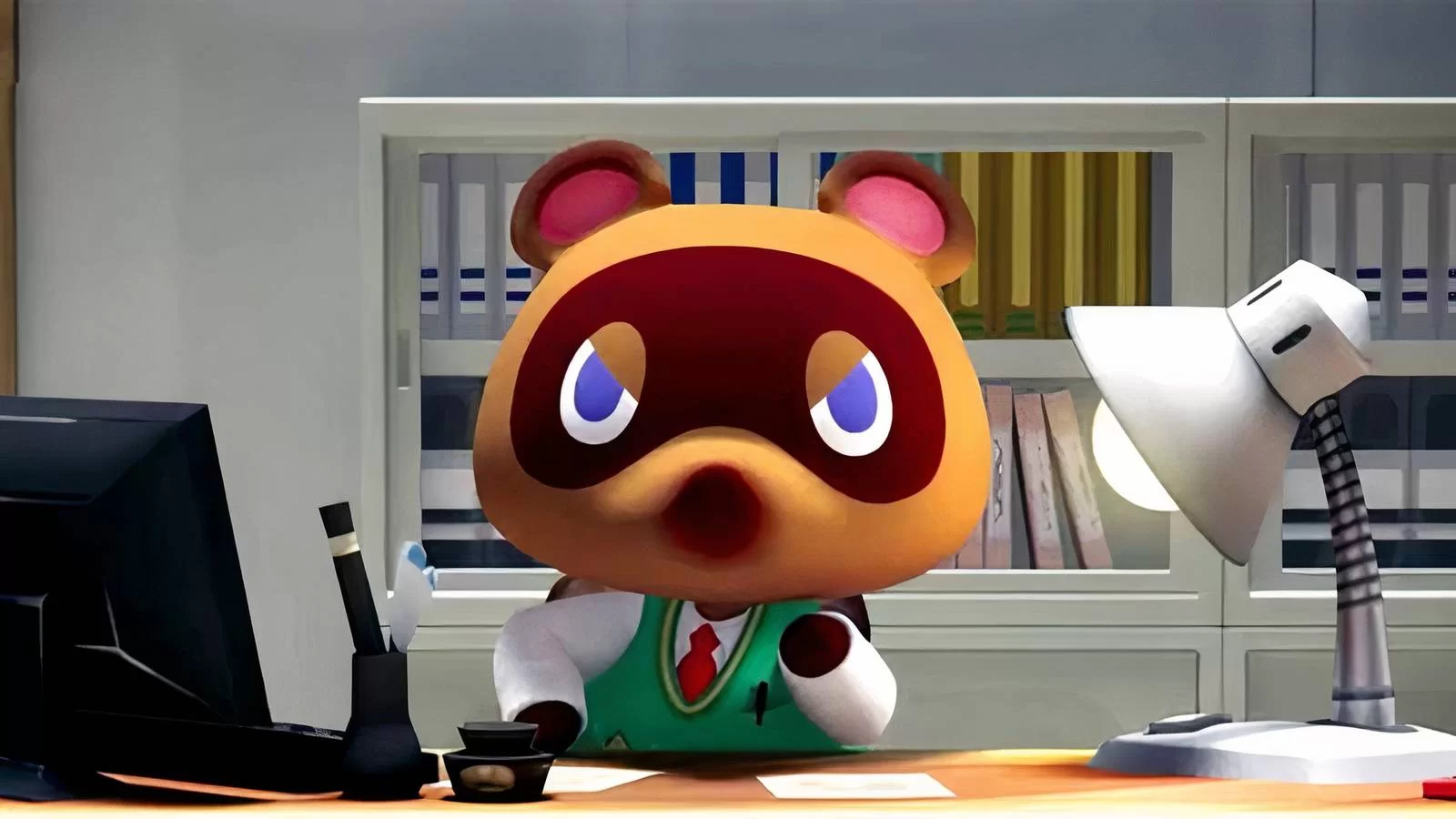
A curious new listing on the PlayStation Store has caught the attention of gamers worldwide. The upcoming title, Anime Village Online, bears an almost identical resemblance to Nintendo’s beloved Animal Crossing series — from its pastel color palette to its whimsical village-life gameplay. The similarity is so strong that some fans initially thought it might be a spin-off or parody.
However, it quickly became clear that this is not a Nintendo project, but rather an independent title from a little-known developer. And its arrival on Sony’s platform has sparked renewed debate about originality, inspiration, and the thin line between homage and imitation in today’s gaming industry.
🎮 A Familiar Art Style on PlayStation
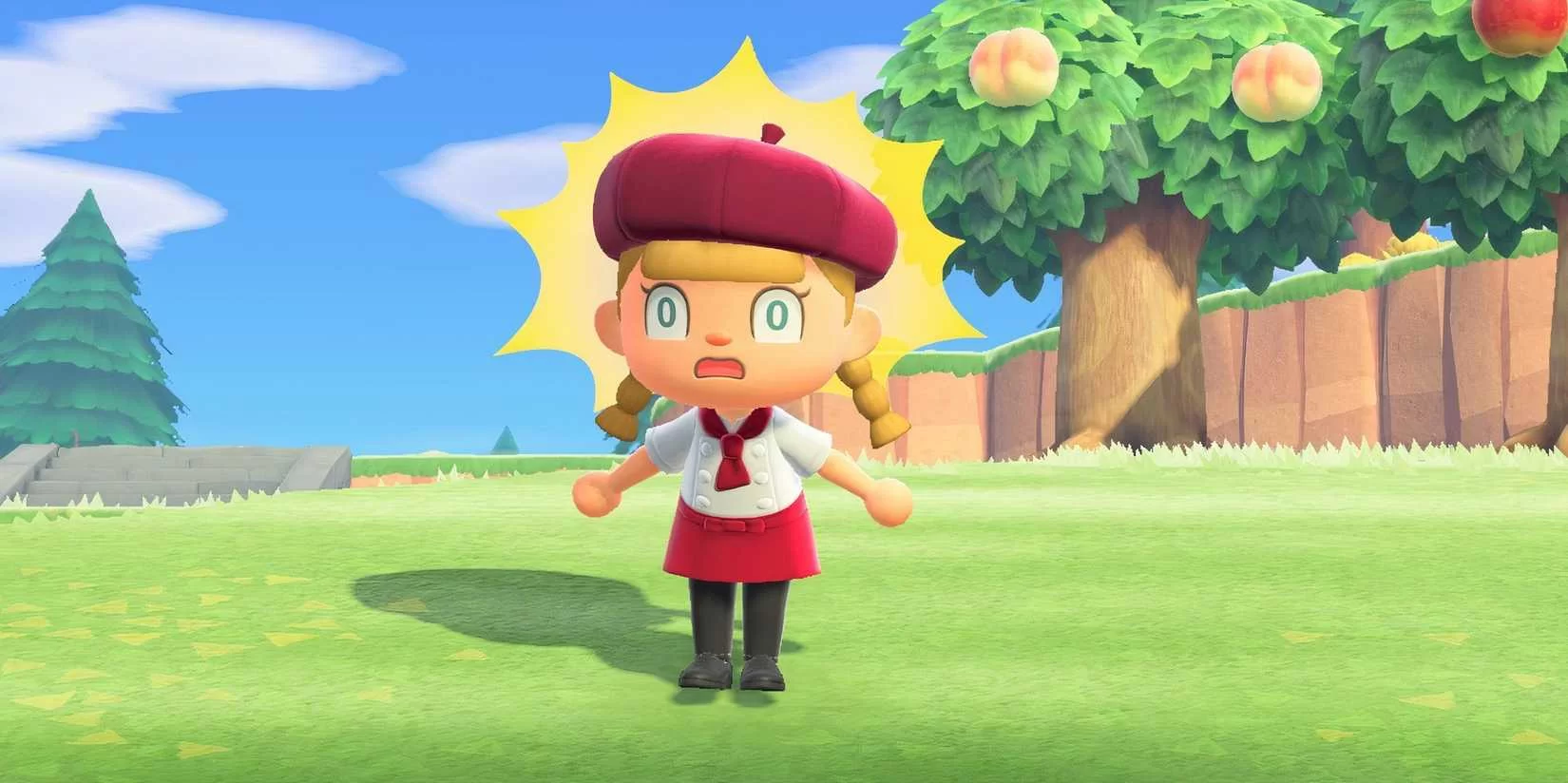
The PlayStation Store listing for Anime Village Online includes promotional artwork that shows a cheerful, cartoon-style girl jumping joyfully in front of a lush green landscape filled with trees, rolling hills, and blue skies. The visual style, soft textures, and character proportions are remarkably close to Animal Crossing’s signature aesthetic, particularly the look popularized by Animal Crossing: New Horizons on the Nintendo Switch.
The official description of the game doesn’t help distance it either. It advertises a solo or co-op village life simulator for up to 10 players, complete with home building, interior decoration, farming, and fishing — all classic hallmarks of Nintendo’s cozy life sim formula. The listing even boasts cross-platform multiplayer support when the game launches in 2027, although no gameplay footage or development updates have been shared so far.
🕵️♂️ Developer’s History Raises Questions
Digging deeper reveals that Anime Village Online is credited to Wisnu Sudirman, a name that may already be familiar to eagle-eyed PlayStation users. The same developer previously released another title called Rooted: Survival, which drew heavy comparisons to The Last of Us.
That game’s store image depicted an overgrown urban cityscape overrun by vegetation — an unmistakable visual echo of Naughty Dog’s acclaimed post-apocalyptic world. Interestingly, the Rooted: Survival listing even mentioned The Last of Us by name, suggesting that players who enjoy that franchise might also appreciate Sudirman’s game. It also included a disclaimer claiming no copyright infringement was intended, an unusual note for an official PlayStation listing.
This has led some to speculate that both projects might be asset-based games — smaller titles built using pre-made 3D assets or templates purchased from marketplaces like the Unreal Engine Store or Unity Asset Store. While this practice isn’t uncommon among indie developers, it does raise ethical and legal questions when those assets are used to mimic iconic franchises.
⚖️ Nintendo’s Strict Stance on Imitations
Nintendo is well-known for aggressively protecting its intellectual property. The company has filed takedown notices and lawsuits against fan games, clones, and even mod projects that infringe on its trademarks. Given the overwhelming resemblance of Anime Village Online to Animal Crossing, it’s unlikely that the title will reach release — at least not without major redesigns.
Past incidents, such as “Anime Life Sim,” another Animal Crossing-inspired title that mysteriously disappeared from the PlayStation Store earlier in 2025, suggest Sony may eventually remove Anime Village Online as well.
Still, the fact that it appeared publicly at all highlights the ongoing issue of quality control and oversight on major digital storefronts. With the rise of self-publishing platforms, copycat and low-effort games have become increasingly common — sometimes confusing players and diluting the reputation of the original IPs they imitate.
🧩 The Copycat Problem in Modern Gaming
This isn’t the first time the gaming community has seen clone controversies make headlines. Mobile app stores and even major console marketplaces are filled with lookalike titles that borrow mechanics, art styles, or names from established franchises. While some of these games are harmless tributes, others clearly aim to profit from mistaken identity or to capitalize on algorithmic searches.
Developers argue that such games can serve as creative experiments or opportunities for small studios to learn. But players often see them as cheap imitations that risk tarnishing the industry’s credibility.
In the case of Anime Village Online, the timing is also notable — coming as Nintendo fans eagerly await news about the next Animal Crossing installment, rumored to arrive on the Nintendo Switch 2 in the near future.
🕹️ Looking Ahead
Whether Anime Village Online will ever see a full release remains uncertain. Sony has not issued a statement regarding the game’s presence on its digital storefront, and the developer has remained silent on social media.
If nothing else, the controversy serves as a reminder of the fine balance between inspiration and imitation in game design. As publishers like Nintendo continue to protect their creative legacy, independent developers will need to walk carefully — ensuring their “inspired” projects don’t cross the line into unauthorized territory.
For now, Anime Village Online stands as one of the more peculiar listings on the PlayStation Store — a potential cautionary tale in a world where visual style and gameplay ideas can easily blur across platforms.