The December Patch Revives Long-Running Concerns About Sims 4 Update Stability
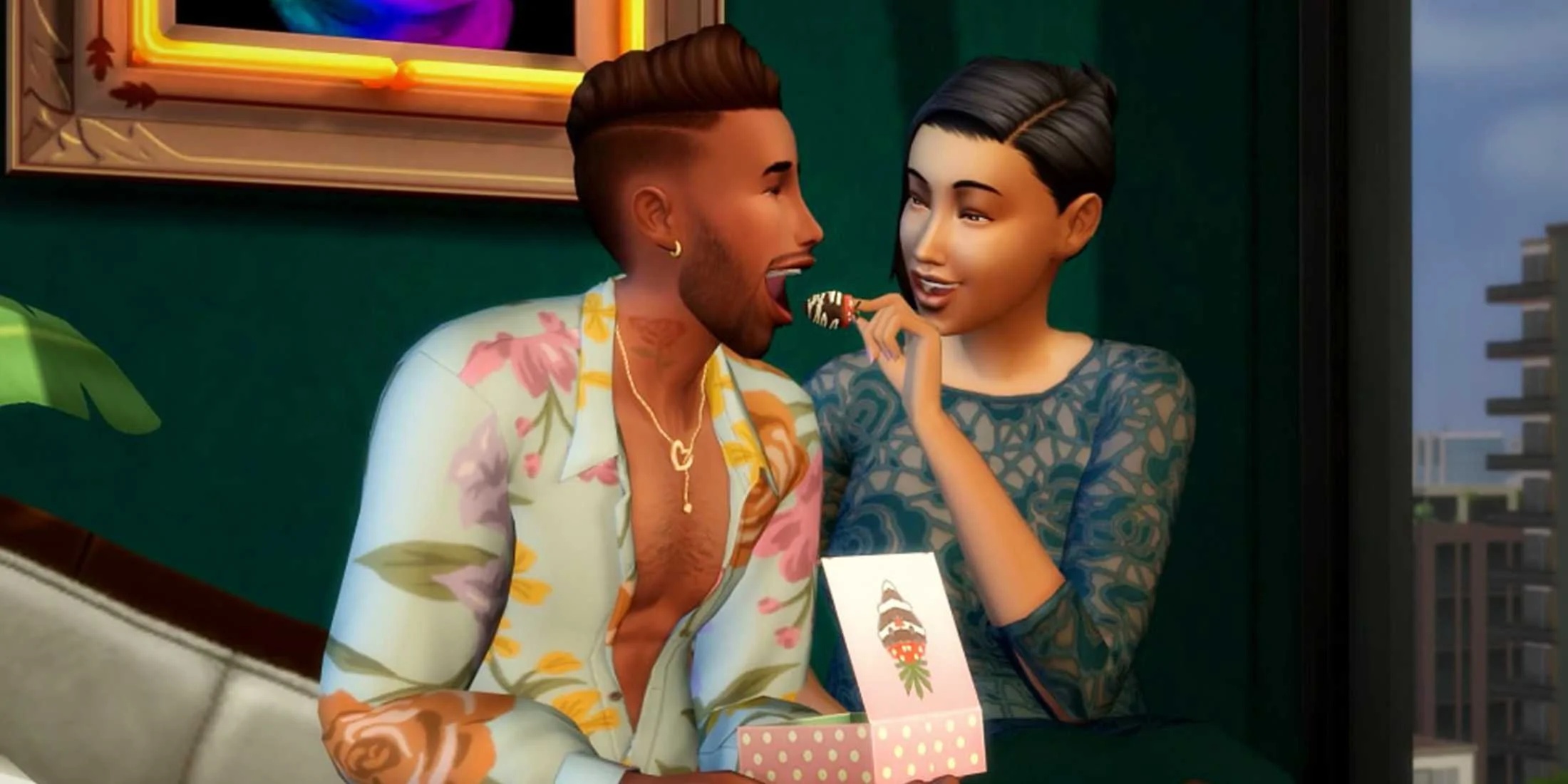
The Sims 4 received its early December 2025 update with the usual expectations: routine fixes, quality-of-life improvements, and preparation for end‑of‑year content. Instead, the patch unexpectedly disrupted a feature introduced just last year in the Lovestruck expansion. The Turn‑Ons and Turn‑Offs icons—visual indicators that help define a Sim’s romantic preferences—stopped rendering correctly inside Create‑A‑Sim (CAS). While the underlying selections still work, the missing icons have created confusion across the player base and triggered another round of debate about the stability of Sims 4 patches.
The situation would be minor in most games, but The Sims 4 relies heavily on its user interface for storytelling and character creation. Visual preference icons were one of Lovestruck’s biggest usability improvements because they allowed players to quickly track romantic traits without digging through menus. With those icons gone, CAS suddenly feels clunkier, especially for challenge players who rely on precision min‑maxing for legacy runs.
Maxis has acknowledged the issue publicly, confirming that the development team is investigating the failure in the menu. Players have welcomed the confirmation but remain uneasy; the problem feels familiar to a community that has navigated a long history of post‑patch regressions.
A New Bug in a Seven‑Year Pattern
Although The Sims 4 continues to expand, the size of its systems—spread across dozens of expansions, game packs, and updates—has made it increasingly vulnerable to regression bugs. Since 2018, the community has documented a recurring pattern: patches fix long‑standing problems but occasionally break unrelated features. The December 2025 update fits that pattern exactly. The lost icons are purely cosmetic, but visual bugs in CAS have often been precursors to deeper interface inconsistencies in previous cycles.
The community’s quick and widespread reporting of this issue mirrors earlier incidents, like the UI overlapping bug from the Werewolves update or the broken traits list after the Growing Together patch. The scale of the reports—Dozens across social platforms and EA’s own forums—suggests the problem affects both console and PC players universally. More importantly, the bug persists even in mod‑free environments and after full reinstalls, which strongly points to an internal UI asset handling error rather than third‑party interference.
For players who rely on CAS as the core of their gameplay identity, even minor disruptions can change the feel of the experience. CAS is not just a setup tool; it’s often the primary creative outlet for storytellers, builders, and legacy players. When one of its features breaks, trust in the update pipeline wavers.
A Cosmetic Bug With Mechanical Consequences
On paper, this glitch is harmless. The Turn‑Ons and Turn‑Offs system still records selections correctly. But the missing visuals undermine usability in ways that extend beyond simple inconvenience.
The problem is especially noticeable for players who engage in mechanical playstyles—speedrun‑style legacy challenges, attraction‑based storytelling, or heavily optimized autonomous behavior builds. Without icons, there’s no quick way to verify which preferences are active at a glance. This slows down CAS sessions and introduces more opportunities for error.
For new players drawn in by sales or seasonal promotions, the absence of visuals may also hurt the onboarding experience. Lovestruck marketed Turn‑Ons and Turn‑Offs as one of its most approachable features. Having that element malfunction so soon after release may weaken the expansion’s value perception.
Maxis now faces a balancing act between investigating the issue thoroughly and reassuring players that this regression will not linger into 2026—especially with The Sims 4’s next roadmap segment expected early next year.
A Patch That Fixed More Than It Broke
Ironically, the December update was one of the more impactful technical cleanups Sims 4 has received recently. The patch resolved multiple issues that were causing gameplay friction: privacy mosaics no longer display incorrect clothing layers, radio audio no longer interrupts sleep cycles, and teens maintain appropriate aspirations when they age into adulthood. Combined, these fixes solve several long‑standing annoyances that players had been reporting for months.
On the visual side, the patch addressed animation glitches and texture inconsistencies across several furniture sets. One of the more unusual outcomes was the overhaul of the “Arrrmed Living Chair” swatches. Removing the duplicate green shade would have risked breaking user builds, so Maxis replaced one swatch and added two new ones. Because the object belonged to a nine‑item set, this spawned a cascading update that expanded the entire furniture line’s color options. The community embraced the change as a welcome bonus, transforming an accidental duplication correction into a broader style refresh.
Even more importantly, the patch resolved save‑corruption triggers, including the notorious Error Code 109 that had frustrated players intermittently for months. On paper, this update delivered significant net improvements—making the CAS bug feel even more unfortunate by contrast.