
McDonald’s Started Posting Game “Orders” During The Game Awards — Here’s the Marketing Logic Behind the Weird Receipts
The “Why Now?” Answer: This Is How Brands Buy Attention Without Buying Ads
When people ask why a fast-food giant is suddenly tweeting about video games, they’re usually imagining one of two things: either a paid sponsorship, or a social team that’s lost the plot. The reality is more mundane—and more calculated.
The Game Awards is one of the few nights each year where gaming conversation concentrates into a single, global stream. For brands that aren’t traditionally “gaming companies,” that’s a rare opportunity: show up in the same feed as reveal trailers and winner reactions without needing a 30-second commercial slot. It’s not about explaining a product. It’s about joining a cultural moment at the exact time the audience is hyper-reactive.
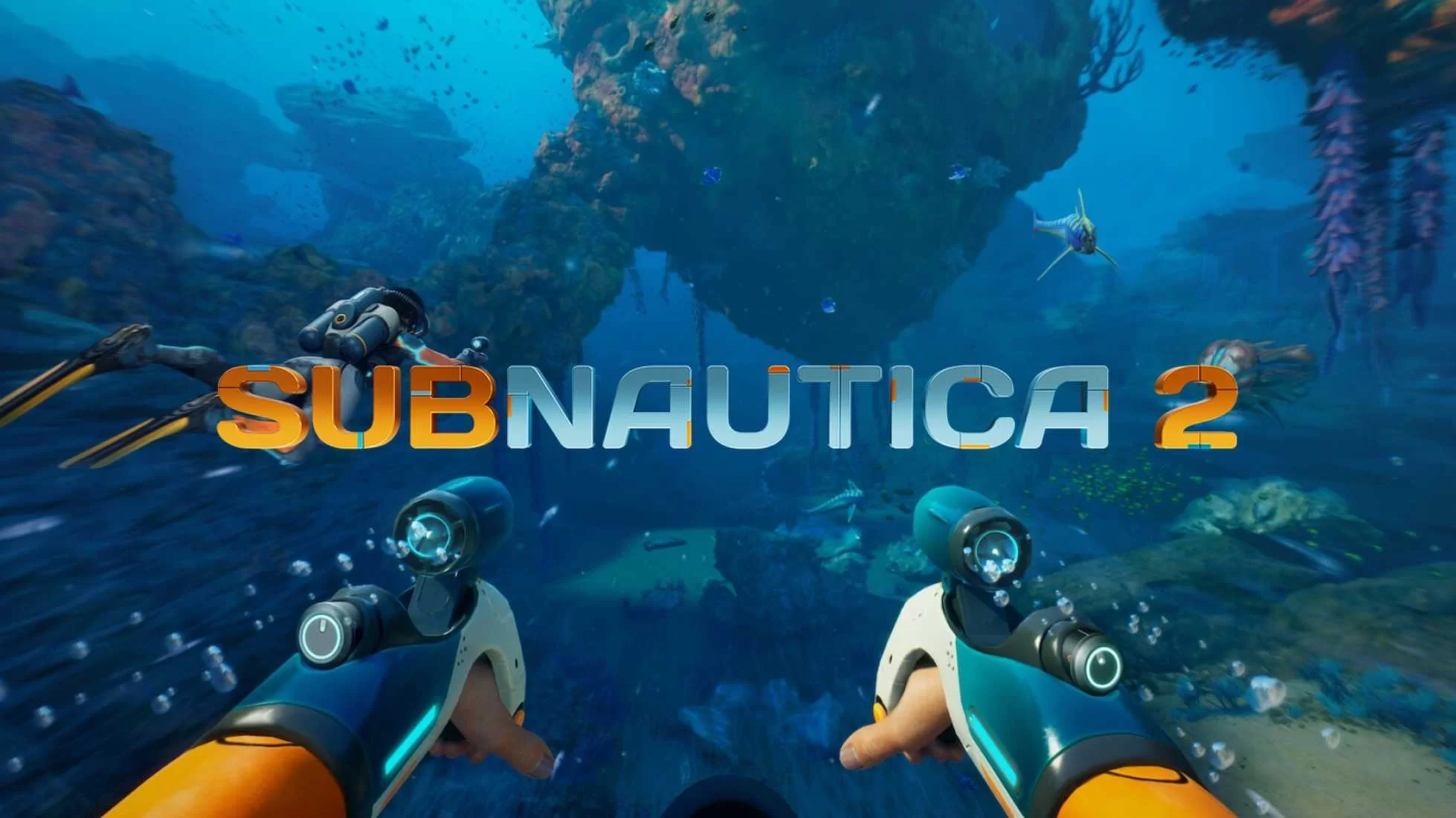
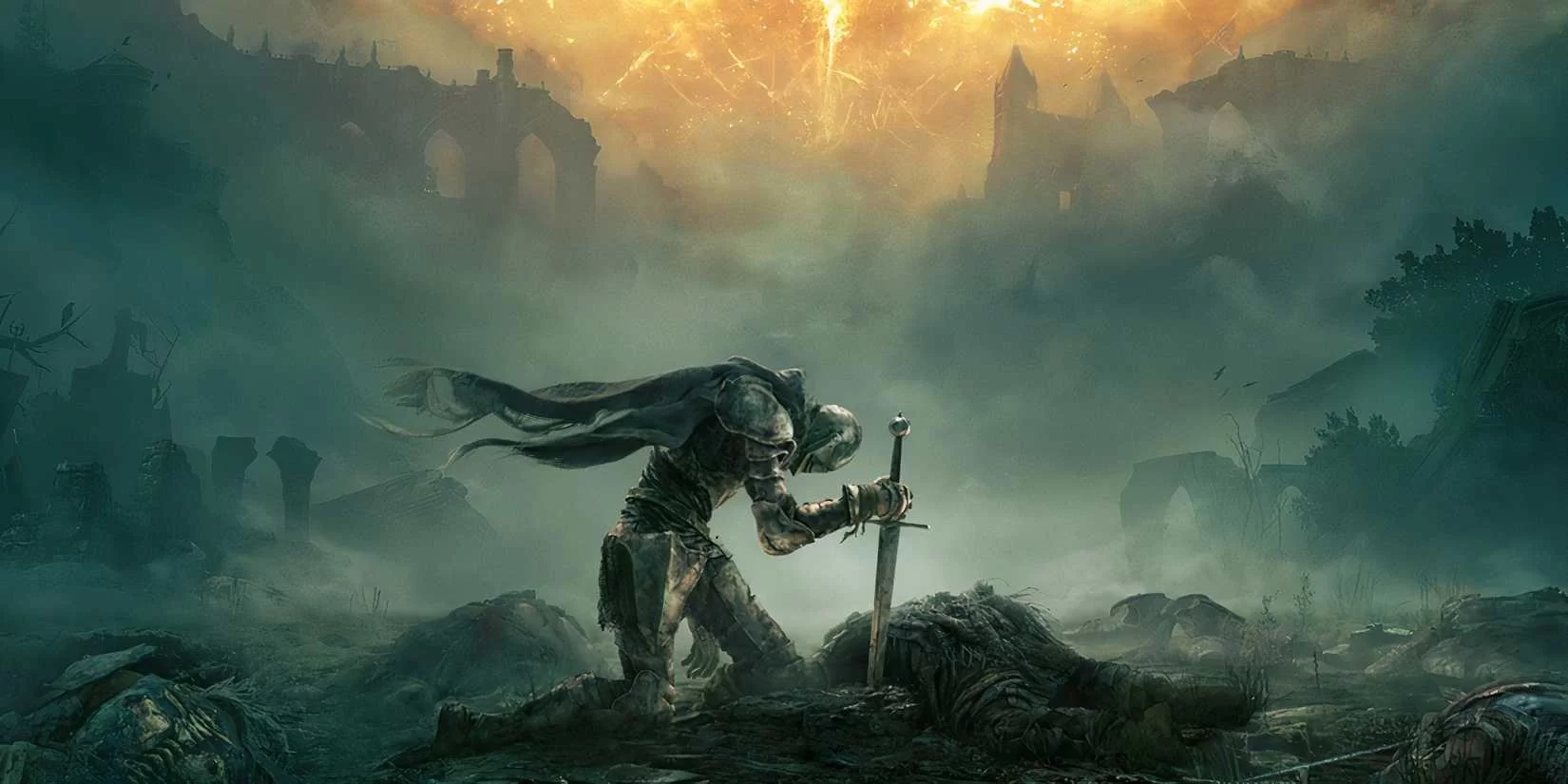
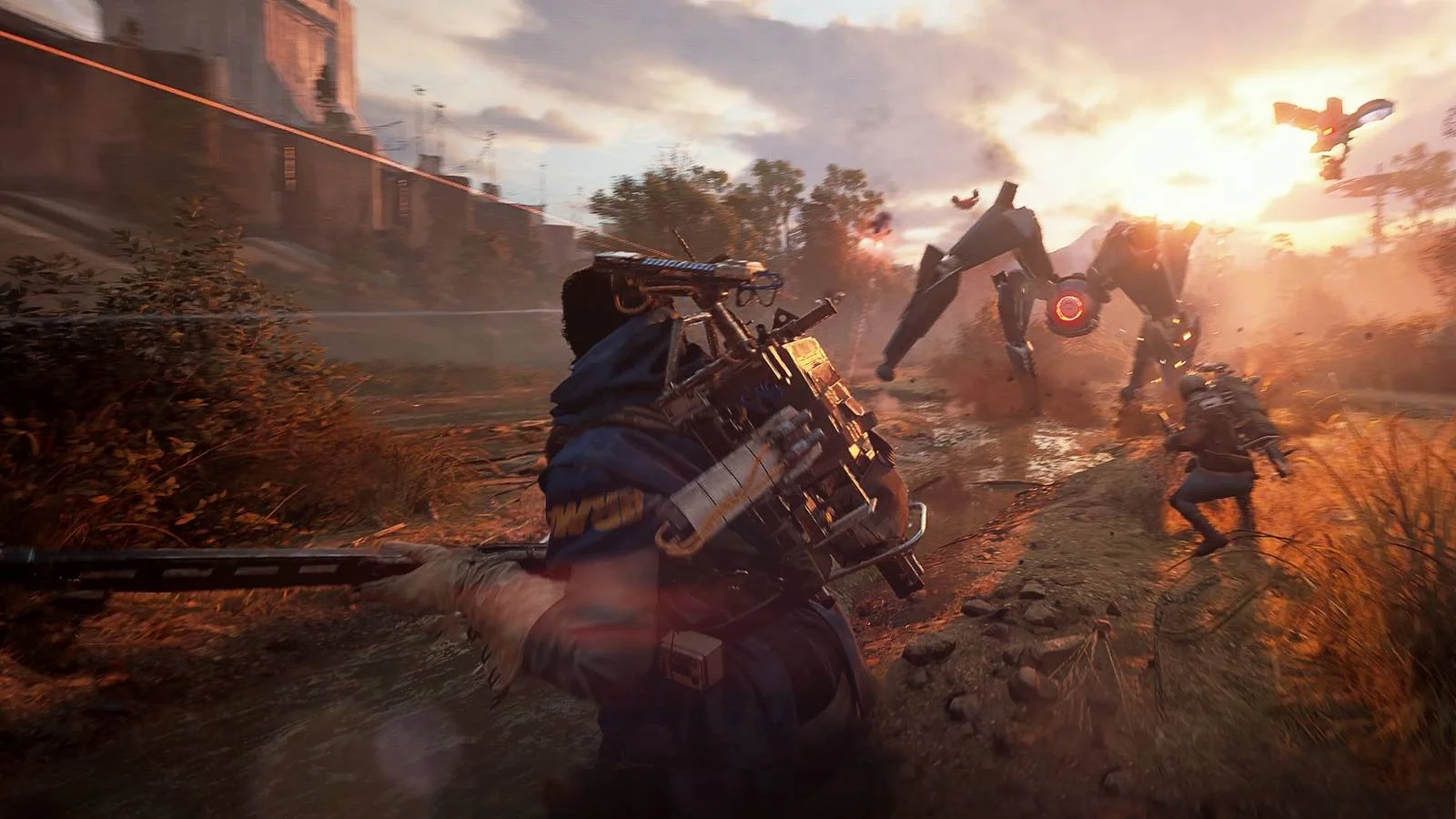
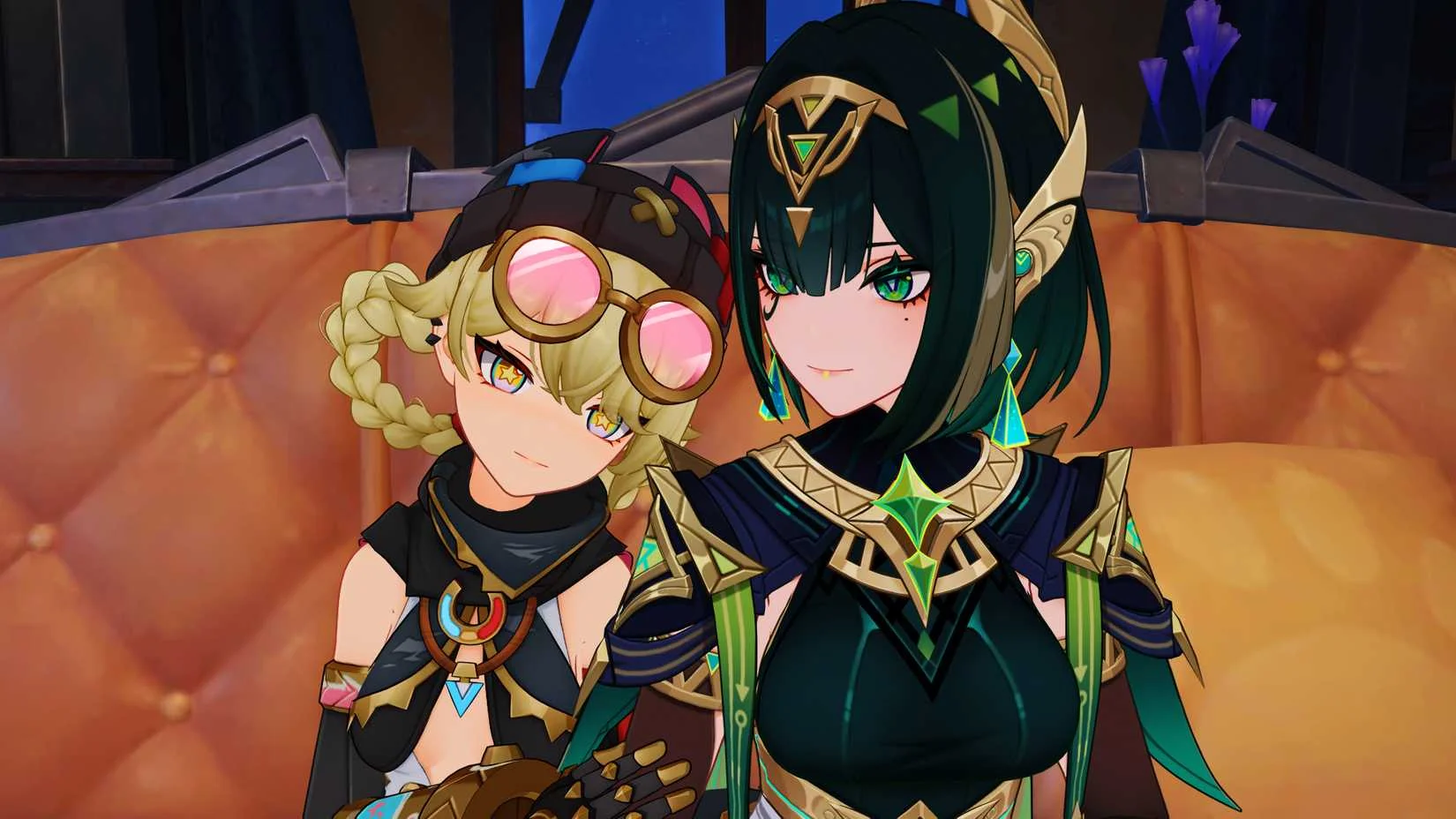
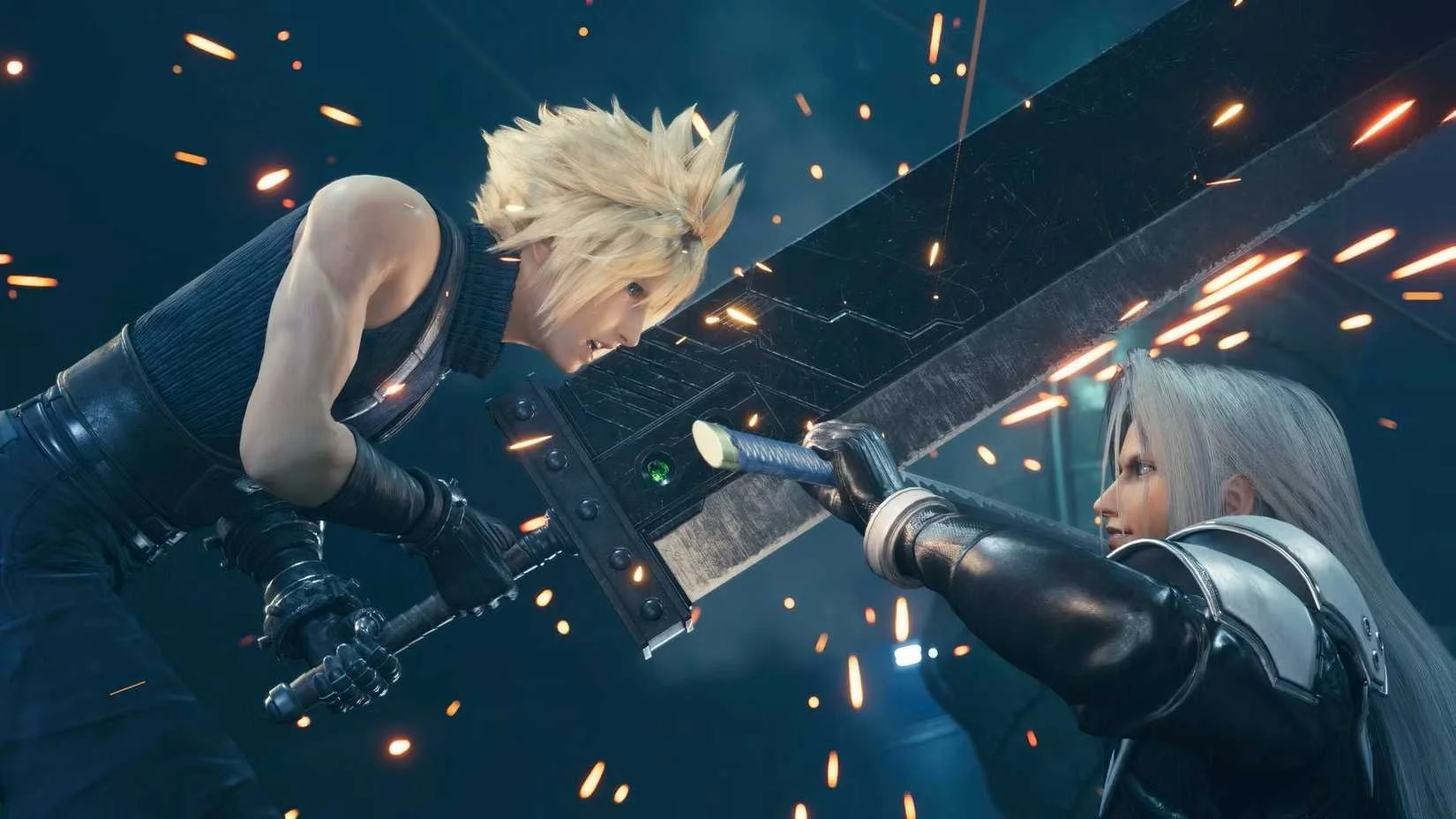
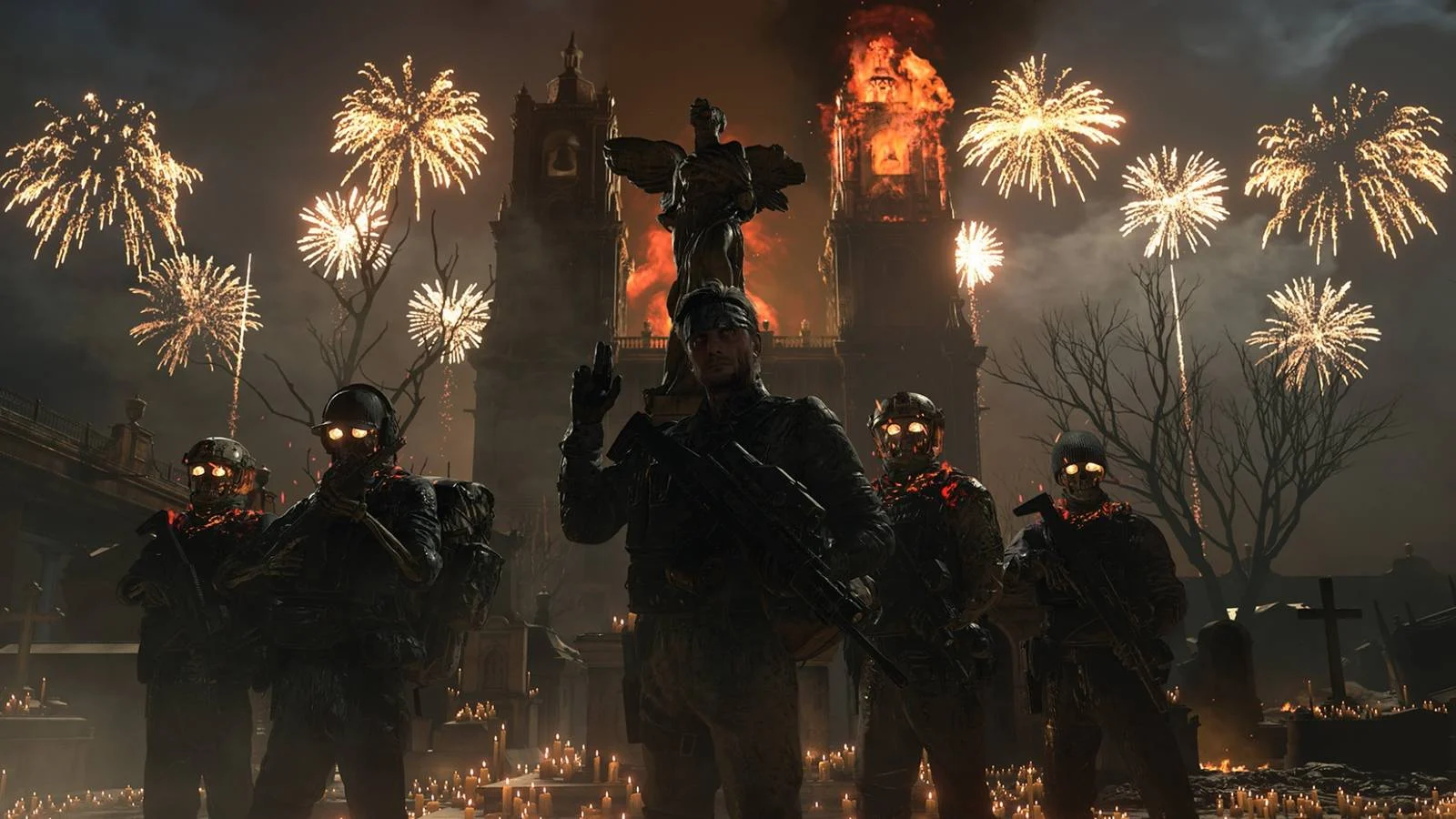
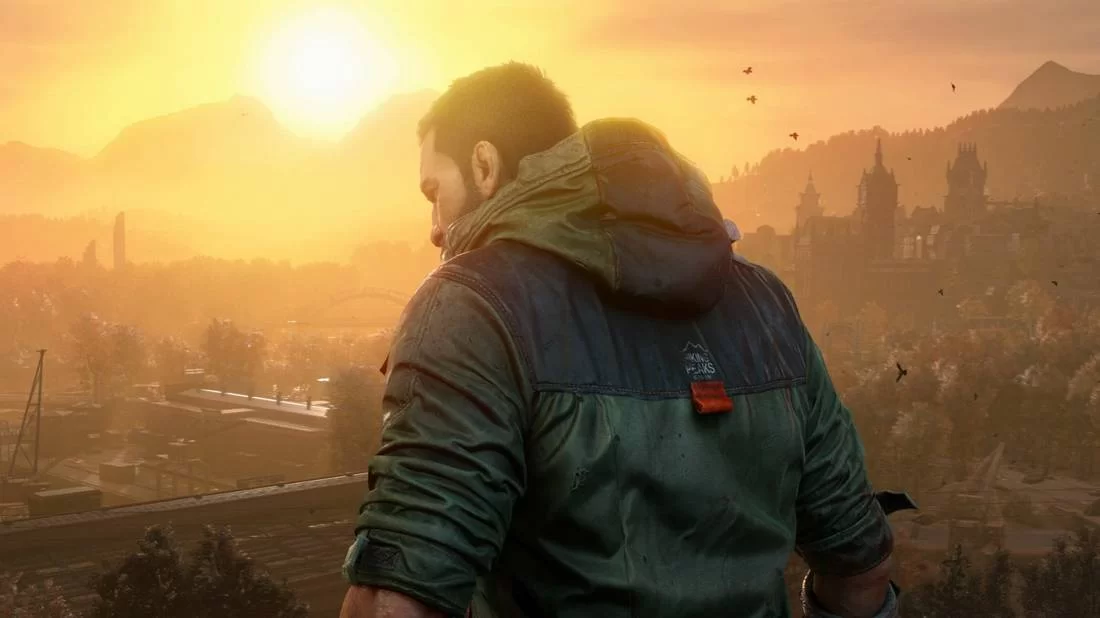
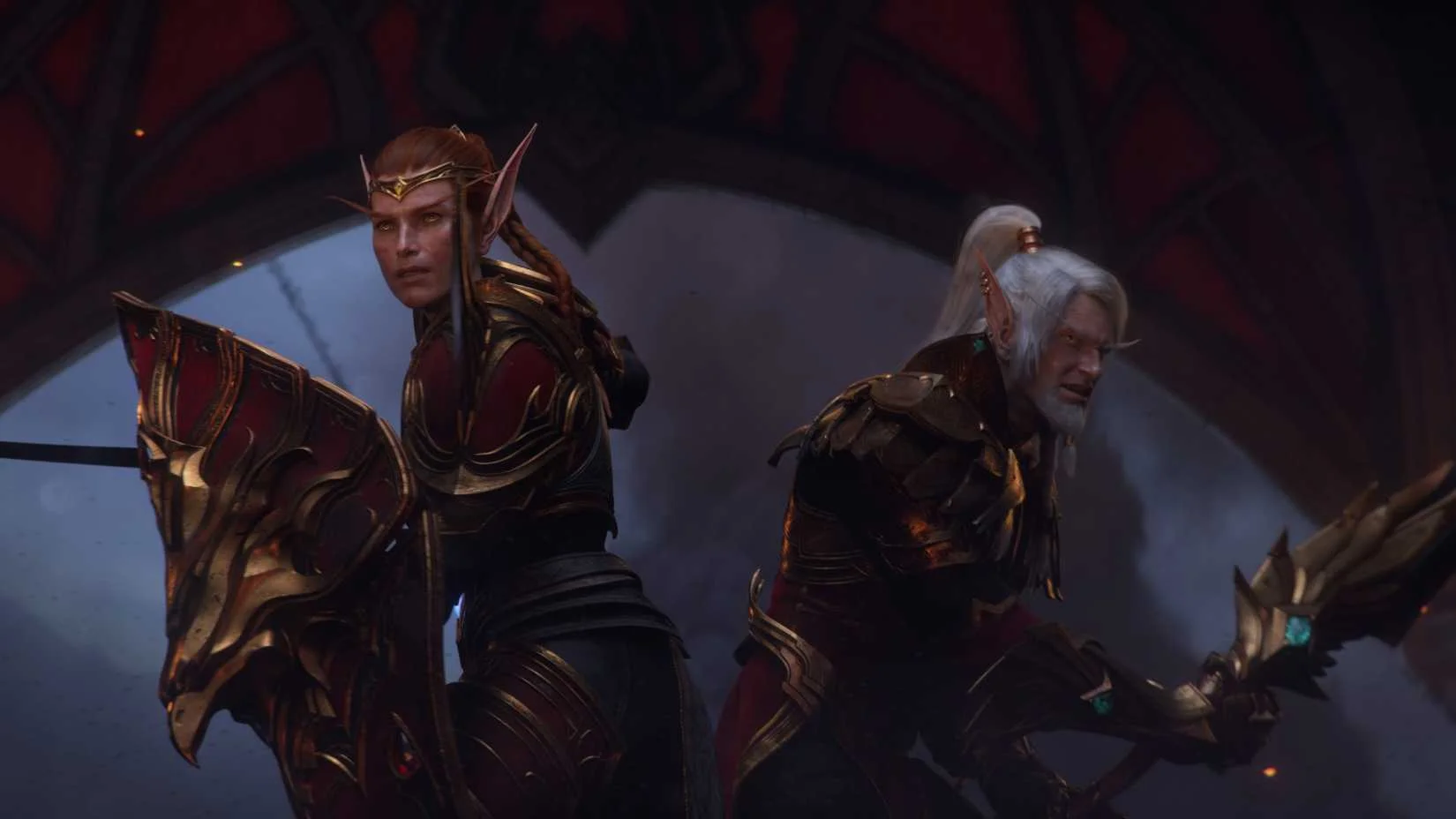
McDonald’s didn’t just “tweet about games.” It used a repeatable meme template—game character + McDonald’s bag + receipt—to turn a complicated marketing goal into a simple prompt: “Imagine what this character would order.” That’s not random. That’s engagement engineering.
Background: Non-Gaming Brands Have Been Trying to Speak “Fandom” for Years
This isn’t the first time a non-endemic brand has stepped into gamer culture. What’s changed over the last decade is how brands think about identity online.
Old approach:
-
Post occasionally about big releases, get roasted, retreat.
Modern approach:
-
Adopt “fandom language,” post like a community member, and aim for shares—not clicks.
The difference is tone and format. A brand doesn’t need to pretend it’s a gamer. It needs to act like it understands how gamers talk online. The receipt meme format is useful because it’s low-stakes, instantly legible, and it doesn’t demand that McDonald’s have an “opinion” about the games. It’s not reviewing anything. It’s not arguing GOTY. It’s playing.
And crucially, it’s playing in a way that’s safe: no controversial takes, no lore debates, no “this studio is washed” energy.
The System-Level Explanation: Why the Receipt Template Works So Well
This is the part most people miss. The meme isn’t just funny; it’s structurally optimized for modern social platforms.
The content is “scroll-stopping” in one second
A receipt and a branded bag are instantly recognizable objects. Your brain processes them before it even processes the character. That matters in fast feeds.
It’s a repeatable series, not a one-off joke
The template scales. That lets the account post multiple times in a short window while still feeling cohesive. Series content performs better because once people understand the game, they’re primed to engage with the next entry.
It invites participation without asking for it
A good social post doesn’t beg for comments. It creates a gap people want to fill. Here the gap is: “What would your favorite character order?” That naturally triggers replies, quote-posts, and people making their own versions.
It’s brand-safe personalization
McDonald’s can “customize” the order to match the character—plain bagel and ketchup, blue raspberry Frozen Fanta, etc.—without touching real-world politics or sensitive topics. It’s personality without risk.
It’s also a stealth discovery funnel
Even if the posts aren’t linked to sales directly, they keep McDonald’s in the same conversation as new trailers, nominated games, and winners. That’s a form of top-of-mind positioning that ads can buy, but memes can sometimes earn cheaper.
The Award Night Hook: Why Congratulating the Winner Is a Strategic Beat
The smartest part of this activation wasn’t the random game picks. It was the moment the account publicly congratulated the Game of the Year winner.
That post did two things at once:
-
It confirmed the reason McDonald’s was “suddenly gaming.”
The activation wasn’t an accident—it was tied to a major industry night. -
It used the winner as a conversation anchor.
People who only cared about the awards (not every trailer) still had a reason to notice and share.
This is how brands hitch themselves to legitimacy: not by inserting themselves into debate, but by celebrating what the community is already celebrating.
Developer/Industry Angle: Why Game Publishers Don’t Hate This
A lot of players see brand activations as cringe by default. Publishers often see them differently.
When a household brand posts about your game during the biggest awards night of the year, you get:
-
additional impressions you didn’t pay for
-
a new “mainstream adjacency” signal
-
meme-format discoverability outside core gaming circles
It’s basically free amplification—assuming it stays respectful and doesn’t distort the game’s image.
This is also why McDonald’s chose a format that doesn’t make claims about the games. No “best game ever” captions. No fake reviews. Just playful association.
Impact on Players and Communities: Fun… and a Slightly Weird Feeling
For most players, this kind of posting lands as harmless entertainment:
-
it’s a break from doomposting
-
it encourages creative replies
-
it celebrates games without lecturing anyone
But there’s a second reaction that’s also valid: fatigue.
A segment of the audience is tired of brands “cosplaying” as community members. Even when it’s done well, it can feel like corporate presence flooding a space that used to be mostly fan-to-fan.
So the impact splits:
Positive effects
-
boosts celebratory mood around the awards
-
gives fans a low-conflict interaction thread
-
spreads awareness of featured games beyond usual circles
Negative effects
-
reinforces the idea that every cultural moment gets commercialized
-
risks becoming spam if overdone
-
can invite backlash if the brand picks a controversial character/game and gets dragged into arguments
McDonald’s largely avoided that by keeping the content light and non-judgmental.
Future Outlook and Risks: The Real Danger Is IP and Authenticity
This kind of campaign looks effortless, but it has real risks.
IP/rights risk
Using recognizable characters, game screenshots, or promotional art can become complicated fast depending on permissions, guidelines, and what counts as “fair use” on each platform. Big brands typically don’t play fast and loose forever; they either have agreements in place or they keep things just ambiguous enough to reduce risk.
Brand-safety risk
Gaming communities are passionate. If a brand misreads the room—posting the wrong game at the wrong time, or making a joke that touches sensitive subject matter—it can backfire quickly.
Authenticity decay
The receipt template works because it feels clever and quick. If it becomes a predictable “we do this every year” routine, it can stop feeling like participation and start feeling like a scheduled ad.
The best version of this strategy is occasional, well-timed, and culturally fluent. The worst version becomes copy-paste corporate noise.
Bottom Line: This Wasn’t Random — It Was a Clean, Low-Risk Way to Own a Moment
McDonald’s didn’t suddenly become a gaming account. It temporarily adopted a gaming-friendly format to ride one of the year’s biggest attention waves, generate earned engagement, and signal cultural relevance—without arguing, polarizing, or selling aggressively.
Whether you find it fun or annoying, the logic is hard to deny: on nights like The Game Awards, memes are often more effective than commercials.